






November 3, 2026

November, 3, 2026
November 3, 2026

give

untitled artwork

untitled artwork

World news biblically understood

TRENDING:

A Mistake Of Modern Evangelism: Leaving Out A Vital Component Of The Gospel

Ray Comfort

One Friday afternoon, while I was serving as the assistant pastor, I sat in my office reading a section of a sermon by Charles Spurgeon. I was fascinated to see that the “Prince of Preachers” did something I had never seen before. He used God’s Law—the Ten Commandments—to cause his hearers to tremble. He said:

“There is a war between you and God’s Law. The Ten Commandments are against you. The first comes forward and says, ‘Let him be cursed. For he denies Me. He has another god beside Me. His god is his belly and he yields his homage to his lust.’ All the Ten Commandments, like ten great cannons, are pointed at you today. For you have broken all of God’s statutes and lived in daily neglect of all His commands. Soul, thou wilt find it a hard thing to go at war with the Law… What will you do when the Law of God comes in terror… when the great books shall be opened and all your sin and shame shall be punished? Can you stand against an angry Law in that Day?”

I remember thinking, “Wow…that’s a little different from ‘God loves you and has a wonderful plan for your life.’” I mentally filed it away.

A few days later, I was reading Galatians 3:24. But instead of reading, “the law was our schoolmaster to bring us to Christ,” I subconsciously read it as, “the law was a schoolmaster to bring Israel to Christ.” Then it hit me: Was it legitimate to use the Law, as Spurgeon did, to bring sinners to Christ today, just as it brought Israel to Him? The thought nearly took my breath away.

I closed my Bible and immediately set out to find someone on whom I could “experiment.” When I found a man open to the gospel, I took him through the Ten Commandments before sharing the cross with him. I didn’t speak of a wonderful plan, or the peace or joy I possessed as a Christian. I just talked about sin, righteousness, and judgment. He stood to his feet and said, “I’ve never heard anyone put it so clearly in all my life.” It was as though a light turned on—for him, and for me.

This man had understood the gospel, and I began to grasp the important principle that the Law reveals the knowledge of sin and shows the sinner why he needs a Savior.

I started researching men like Wesley, Spurgeon, Whitefield, Moody, and Luther—those whom God used throughout history—and found that each warned about the danger of preaching the gospel without first using the Law. If the Law isn’t used to prepare the heart, false conversions will fill the Church.

So, I began crafting a message I originally called “Evangelical Frustration.”

It opened with statistics I had found and told a story about a youth who broke a speeding law and couldn’t pay his fine. When he was put in prison, his father came and paid it for him. I reasoned that if the youth had been told the good news before he understood he had broken the law, the good news would have seemed meaningless.

Modern evangelism has made that very mistake. It preaches the good news (the fine being paid) without first convincing the sinner that he is a lawbreaker. No wonder so many reject the gospel—it makes no sense to them. Without the Law to drive them to the cross, the message of salvation is reduced to a shallow promise of “happiness.” That not only distorts the gospel—it perverts the motive of conversion.

Why Christians Have A Biblical Responsibility To Participate In The Political Process

With the 2026 midterm elections just days away, millions of Americans are preparing to cast their ballots in an election that will have significant implications for the nation’s future. With control of Congress hanging in the balance, voters will help determine the legislative agenda and political trajectory of the next two years. For Christians, the election raises questions that go beyond political parties, candidates, and policy preferences. Is voting merely a civic privilege, or does Scripture provide a theological framework for understanding it as an act of stewardship and love of neighbor? And what role should pastors and churches play in equipping believers to exercise this responsibility faithfully? As Americans prepare to head to the polls next Tuesday, these questions invite us to consider a more fundamental issue: whether Christians have a Biblical responsibility to participate in the political process.

A Barbaric Death Penalty: Politicians, Doctors, The Abortion Industry, And The Media Have Lied To Mothers

Sadly, the abortion industry continues to either deny the level of pain inflicted upon the preborn or bury the evidence by introducing “expert” reports that contain deliberately vague language which seeks to assure mothers that abortion does not cross any moral barriers. Although a consensus on the impact of pain on the preborn would be a positive step in educating the public, the reality is that pain tolerance does not excuse the injustice perpetrated in abortion clinics.

sign up

The Church Cannot Remain Silent On Biblical Matters Because They Have Been Declared ‘Political’

Jesus called His followers the salt of the earth and the light of the world. Neither image suggests withdrawal. Both describe engagement that makes a difference. So the issue is not whether the church should become political. It is whether Christians will remain biblical when biblical truth has political consequences. Our calling is neither to become the mouthpiece of a party nor to retreat into silence. It is to stand on God’s word, defend what is right, confront what is wrong, and speak with courage — even when the culture would rather we remain silent.

ABC's of Salvation

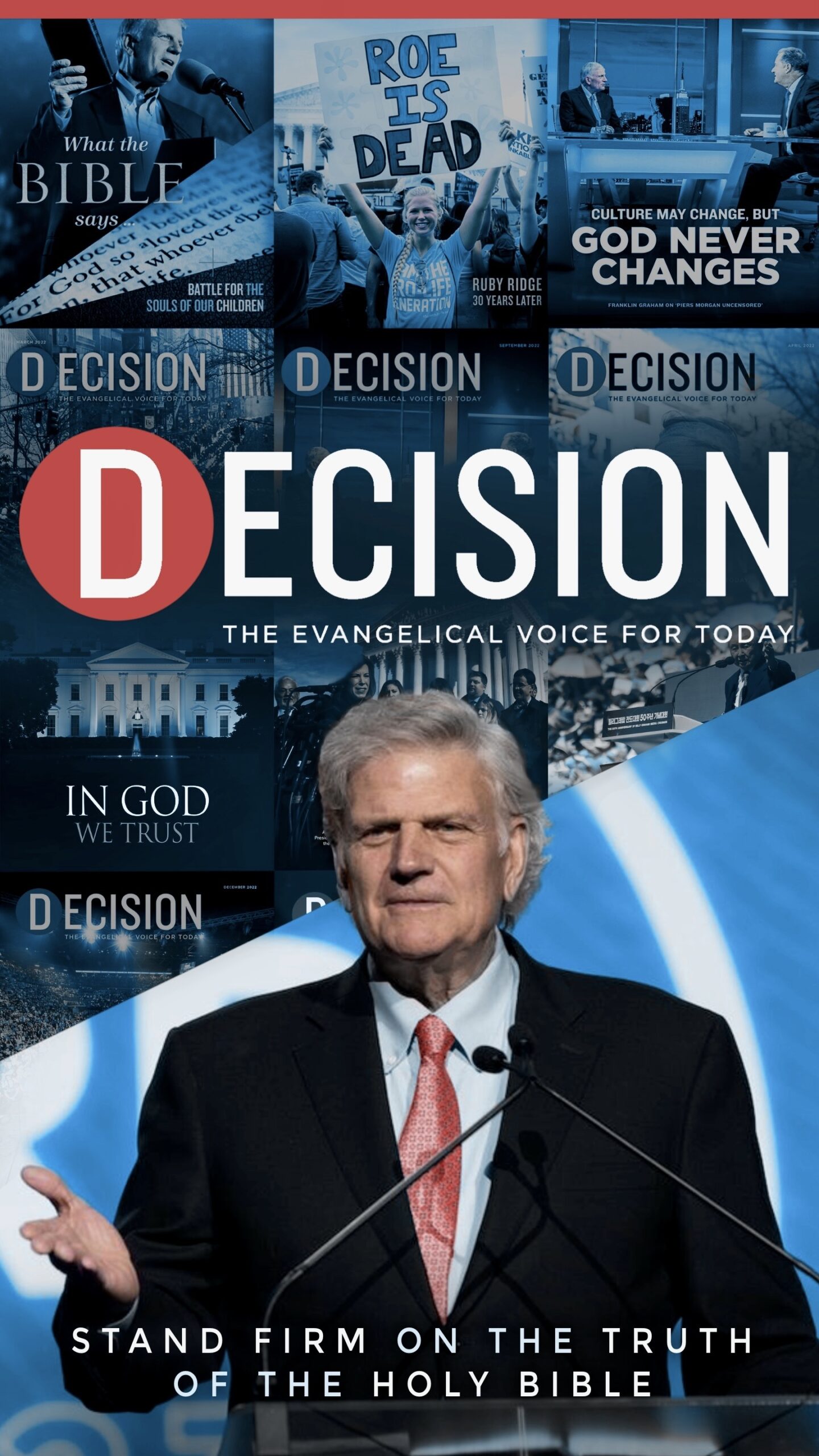
Decision

christ in prophecy

christ in prophecy

Decision

untitled artwork

Israel My Glory

Ray Comfort

One Friday afternoon, while I was serving as the assistant pastor, I sat in my office reading a section of a sermon by Charles Spurgeon. I was fascinated to see that the “Prince of Preachers” did something I had never seen before. He used God’s Law—the Ten Commandments—to cause his hearers to tremble. He said:

“There is a war between you and God’s Law. The Ten Commandments are against you. The first comes forward and says, ‘Let him be cursed. For he denies Me. He has another god beside Me. His god is his belly and he yields his homage to his lust.’ All the Ten Commandments, like ten great cannons, are pointed at you today. For you have broken all of God’s statutes and lived in daily neglect of all His commands. Soul, thou wilt find it a hard thing to go at war with the Law… What will you do when the Law of God comes in terror… when the great books shall be opened and all your sin and shame shall be punished? Can you stand against an angry Law in that Day?”

I remember thinking, “Wow…that’s a little different from ‘God loves you and has a wonderful plan for your life.’” I mentally filed it away.

A few days later, I was reading Galatians 3:24. But instead of reading, “the law was our schoolmaster to bring us to Christ,” I subconsciously read it as, “the law was a schoolmaster to bring Israel to Christ.” Then it hit me: Was it legitimate to use the Law, as Spurgeon did, to bring sinners to Christ today, just as it brought Israel to Him? The thought nearly took my breath away.

I closed my Bible and immediately set out to find someone on whom I could “experiment.” When I found a man open to the gospel, I took him through the Ten Commandments before sharing the cross with him. I didn’t speak of a wonderful plan, or the peace or joy I possessed as a Christian. I just talked about sin, righteousness, and judgment. He stood to his feet and said, “I’ve never heard anyone put it so clearly in all my life.” It was as though a light turned on—for him, and for me.

This man had understood the gospel, and I began to grasp the important principle that the Law reveals the knowledge of sin and shows the sinner why he needs a Savior.

I started researching men like Wesley, Spurgeon, Whitefield, Moody, and Luther—those whom God used throughout history—and found that each warned about the danger of preaching the gospel without first using the Law. If the Law isn’t used to prepare the heart, false conversions will fill the Church.

So, I began crafting a message I originally called “Evangelical Frustration.”

It opened with statistics I had found and told a story about a youth who broke a speeding law and couldn’t pay his fine. When he was put in prison, his father came and paid it for him. I reasoned that if the youth had been told the good news before he understood he had broken the law, the good news would have seemed meaningless.

Modern evangelism has made that very mistake. It preaches the good news (the fine being paid) without first convincing the sinner that he is a lawbreaker. No wonder so many reject the gospel—it makes no sense to them. Without the Law to drive them to the cross, the message of salvation is reduced to a shallow promise of “happiness.” That not only distorts the gospel—it perverts the motive of conversion.


Trusted Analysis From A Biblical Worldview

Help reach the lost and equip the church with the living and active truth of God's Word in our world today.

YOU CARE ABOUT

BIBLICAL TRUTH. SO DO WE.


Together, We Can Deliver A Biblical Understanding

Of News Events Around The World.

Why Christians Have A Biblical Responsibility To Participate In The Political Process

With the 2026 midterm elections just days away, millions of Americans are preparing to cast their ballots in an election that will have significant implications for the nation’s future. With control of Congress hanging in the balance, voters will help determine the legislative agenda and political trajectory of the next two years. For Christians, the election raises questions that go beyond political parties, candidates, and policy preferences. Is voting merely a civic privilege, or does Scripture provide a theological framework for understanding it as an act of stewardship and love of neighbor? And what role should pastors and churches play in equipping believers to exercise this responsibility faithfully? As Americans prepare to head to the polls next Tuesday, these questions invite us to consider a more fundamental issue: whether Christians have a Biblical responsibility to participate in the political process.

A Barbaric Death Penalty: Politicians, Doctors, The Abortion Industry, And The Media Have Lied To Mothers

Sadly, the abortion industry continues to either deny the level of pain inflicted upon the preborn or bury the evidence by introducing “expert” reports that contain deliberately vague language which seeks to assure mothers that abortion does not cross any moral barriers. Although a consensus on the impact of pain on the preborn would be a positive step in educating the public, the reality is that pain tolerance does not excuse the injustice perpetrated in abortion clinics.

untitled artwork 6391

The Church Cannot Remain Silent On Biblical Matters Because They Have Been Declared ‘Political’

Jesus called His followers the salt of the earth and the light of the world. Neither image suggests withdrawal. Both describe engagement that makes a difference. So the issue is not whether the church should become political. It is whether Christians will remain biblical when biblical truth has political consequences. Our calling is neither to become the mouthpiece of a party nor to retreat into silence. It is to stand on God’s word, defend what is right, confront what is wrong, and speak with courage — even when the culture would rather we remain silent.

ABC's of Salvation

TV AD

worldview matters

Decision Magazine V AD

Decision

Jan Markell

Israel My Glory

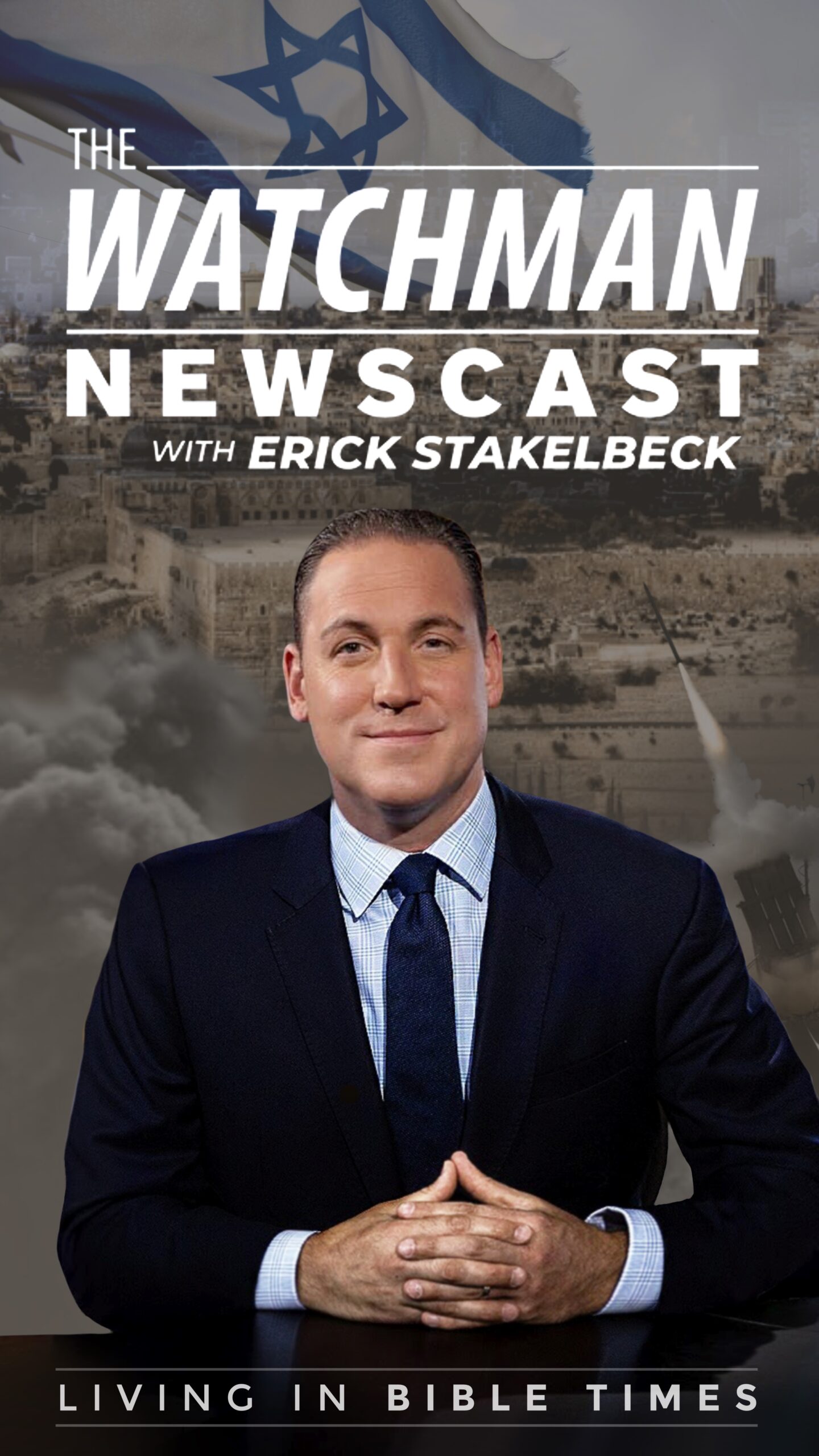
Erick Stakelbeck

untitled artwork

YOU CARE ABOUT

BIBLICAL TRUTH.

SO DO WE.

Together, We Can Deliver A Biblical Understanding Of News Events Around The World And Equip The Church To Stand With A Biblical Worldview.

untitled artwork

Israel My Glory

YOU CARE ABOUT

BIBLICAL TRUTH.

SO DO WE.


Together, We Can Deliver A Biblical Understanding Of News Events Around The World And Equip The Church To Stand With A Biblical Worldview.