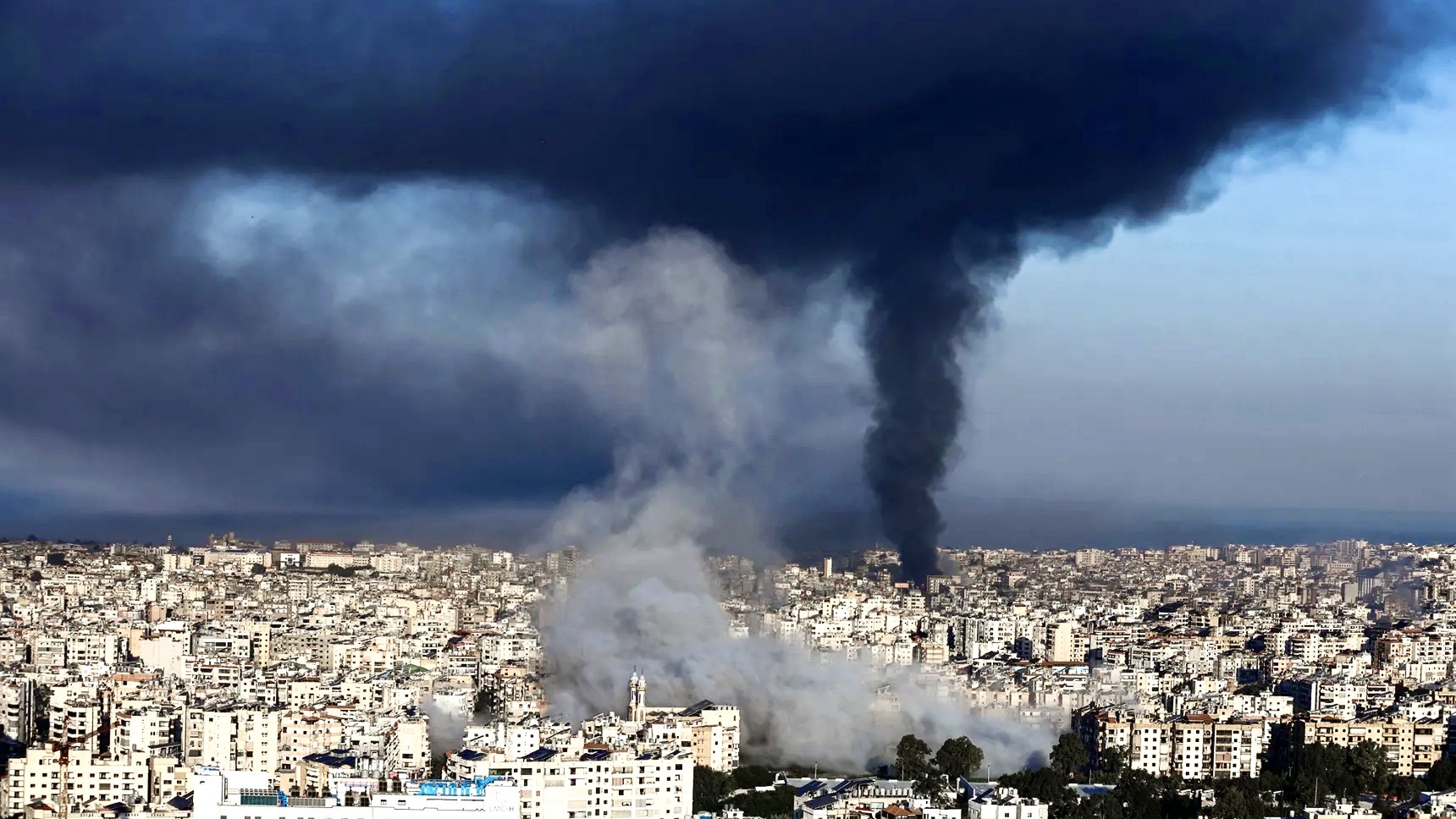
On February 28, 2026, the world watched as United States and Israeli forces launched coordinated strikes against Iranian leadership targets and military infrastructure. Iran responded by unleashing a barrage of rockets toward Israel and nearby U.S. military installations. As precision strikes began dismantling more than 300 Iranian rocket launch systems, scenes emerged of Iranian citizens celebrating in the streets—hoping that decades of oppression might finally be nearing an end.
The Middle East once again stood at the epicenter of global tension. But for students of Bible prophecy, the question is not merely political—it is prophetic.
Iran: Shia Identity and Ideological Conflict
To understand Iran’s posture, one must understand the Sunni–Shia divide. The core distinction lies in the question of rightful succession after the death of Muhammad—who was the legitimate leader of the Islamic community?
Iran is overwhelmingly Shia—over 90% of its population. Shia Muslims also form majorities in Yemen, Azerbaijan, Bahrain (over 60%), and Iraq (over 65%), with significant communities in Lebanon. Hezbollah, Iran’s most powerful proxy in Lebanon, is Shia.
While Shia Muslims represent roughly 10–15% of the global Muslim population, the Iranian regime has shaped a revolutionary ideology that blends theology with political militancy. It is not merely national policy—it is deeply embedded belief. This is why negotiations often stall and eventually fail. When belief and governance are fused, compromise becomes difficult.
Islam’s Growth in the West
Across Europe, demographic shifts have transformed the religious landscape. Cities once considered historically Christian now reflect a rapidly diversifying population. Nations such as:
• North Macedonia (32% Muslim, ~800 mosques)
• Bosnia (50% Muslim, ~1,125 mosques)
• Albania (57% Muslim, ~850 mosques)
• Kosovo (96% Muslim, ~550 mosques)
These changes are not merely statistical—they shape politics, culture, and public policy.
In the United States, Muslim populations continue to grow in major metropolitan centers such as Dearborn, Chicago, Paterson, Los Angeles, Houston, Minneapolis, and Dallas/Fort Worth. These demographic realities increasingly influence civic leadership and public discourse.
For believers, the issue is not ethnicity or individuals—it is worldview. Scripture reminds us that ideas shape nations (Proverbs 14:34).
Media Narratives and Global Pressure
Recent coverage by networks such as Al Jazeera and CNN reflects the intense global scrutiny surrounding Israel’s actions. Some reports characterized the strikes as “unprovoked,” while others emphasized the call from China and Russia for emergency United Nations Security Council meeting. Notably, emergency weekend Security Council sessions are rare—underscoring the seriousness of the moment. A Saturday emergency meeting has only occurred twice before.
Yet Scripture warns that Israel would increasingly stand isolated among the nations.
Purim Under Fire
As sirens echoed across Israeli cities, the Jewish people entered the celebration of Purim—the feast commemorating God’s deliverance recorded in the Book of Esther. Purim recalls Haman’s plot to annihilate the Jews and God’s sovereign reversal through Queen Esther and Mordecai.
Esther 9:28 declares: “These days should be remembered and observed in every generation by every family, and in every province and in every city…”
Even under threat, Israel celebrated. The same God who preserved His people in Persia still watches over His covenant nation today!
The historical irony is profound: ancient Persia—modern Iran—once sought the destruction of the Jewish people. Today, similar threats echo from Tehran with a similar ending.
A Prophetic Perspective
The prophet Zechariah wrote: “On that day, when all the nations of the earth are gathered against her, I will make Jerusalem an immovable rock for all the nations.” (Zechariah 12:3)
Jerusalem will become a “burdensome stone.” Nations that attempt to control or divide her will injure themselves.
Joel 3:1–2 adds: “I will gather all nations and bring them down to the Valley of Jehoshaphat… for they scattered my people among the nations and divided up my land.”
From a prophetic standpoint, the increasing alignment of global powers, the diplomatic pressure on Israel, and the volatility surrounding Jerusalem are not random. They fit within a broader biblical framework in which Israel becomes the focal point of global tension before the return of Christ.
This does not mean every military action fulfills prophecy directly. But it does mean that the trajectory of history is moving in the direction Scripture foretold.
The Spiritual Reality
Behind political conflict lies spiritual warfare. Ephesians 6:12 reminds us: “For we wrestle not against flesh and blood, but against principalities, against powers…”
The ultimate issue is not merely territorial—it is theological. The land belongs to God. The covenant with Israel remains intact. And the nations are being positioned for a climactic confrontation that Scripture calls the “Day of the Lord.”
What Should Believers Do?
1. Pray for the peace of Jerusalem (Psalm 122:6).
2. Stay grounded in Scripture—not sensational headlines.
3. Discern media narratives carefully.
4. Remember that God’s promises are irreversible (Romans 11:29).
5. Live with expectancy.
The world trembles. Alliances shift. Rockets fly. Nations posture. But heaven is not shaken.
The same God who preserved Israel in the days of Esther is still sovereign today. The same God who foretold Jerusalem would become a burden to the nations will bring His prophetic plan to completion. History is not spiraling out of control. It is moving toward a King. Maranatha, Lord Jesus.