May 20, 2026

May, 20, 2026
May 20, 2026

give

untitled artwork

untitled artwork

World news biblically understood

TRENDING:

Working To Reshape America’s Worldview: Is Social Media Creating Islamic Terrorists?

Simon Hankinson, a former U.S. diplomat, made a case Monday for what he deemed a rise in “lone wolf amateur terrorism.” Hankinson referred to the high-profile, Bondi Beach, Australia massacre. Within 10 minutes, on December 14, 2025, a father and a son opened fire on hundreds during a festival, ultimately killing 15 people and injuring 40. Hankinson used this tragedy to make a simple point: “In most cases of Islamist terrorism, the perpetrator is of Muslim heritage and has ancestral roots in a Muslim country.” Both the father and son involved in this attack appeared to have been born Muslim.

Now, consider the other two stories Hankinson addressed concerning young men like John Michael Garza, described as Mexican-American, and Christian Sturdivant, grandson of a Christian minister. Garza, late last year, “was charged in Texas with terrorism offenses, accused of providing bomb components to individuals he is alleged to have believed were acting on behalf of the Islamic State (IS). Garza was arrested after allegedly giving an undercover FBI agent instructions on how to make a bomb.” Sturdivant, Hankinson wrote, “was charged in North Carolina with a similar offense — allegedly attempting to provide material support to IS.”

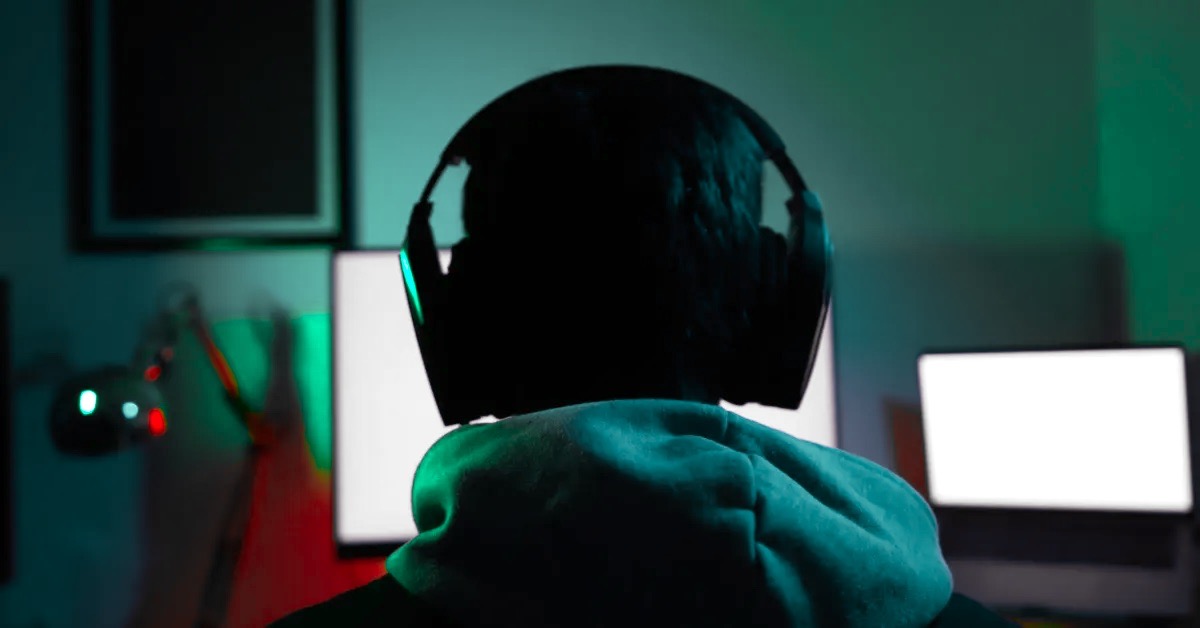
Neither of these individuals appeared to have been raised in Muslim households nor were recent immigrants. And yet, they were allegedly drawn into plans to support IS solely through online interactions. As Hankinson emphasized, they echo earlier figures like Zachary Chesser, the suburban Virginia convert who, post-high school, embraced radical Islam via blogs, websites, and eventual real-world ties. And what stands out today is the shift: radicalization increasingly requires no physical community, no visit to a mosque, no face-to-face recruitment… Screens alone suffice.

The chilling cases highlighted by Hankinson serve as a stark reminder of how rapidly and deeply online influences can reshape a person’s worldview — sometimes toward darkness we scarcely imagine. From a Christian perspective, this invites sobering reflection.

Scripture reminds us that the heart is deceitful above all things (Jeremiah 17:9), and we are shaped by what we see and interact with. “Do not be conformed to this world,” Paul urges us in Romans 12:2, “but be transformed by the renewal of your mind.” And yet, look around. What do you see happening when the “world” streaming into our lives, far from being a mere cultural drift, results in a life of algorithmic echo chambers, propaganda videos, and increasingly lifelike AI companions that affirm (or only further confuse) our angers, curiosities, or searches for meaning?

Hankinson noted how we’ve moved from desktop blogs to always-on social media, where young people can radicalize on religion, politics, or even gender ideology without ever meeting another soul in the flesh. This alone should serve as a wake-up call. But he pushed even further, stressing how “kids are interacting with AI avatars so convincing they might as well be real. And who controls them? People with financial motives at best, political or even terrorist goals at worst.”

We must ask ourselves: If evil associations corrupt good manners (1 Corinthians 15:33), what does constant digital “association” with unseen voices do to the soul? When the screen becomes confessor, teacher, and companion, whose lordship are we truly submitting to?

These incidents prompt more questions rather than quick answers. How much of our children’s formation have we unwittingly outsourced to devices that know their habits better than we do? In seeking belonging or purpose online, are we equipping future generations to discern truth from manipulation, or leaving them vulnerable to whoever — or whatever — speaks loudest in the feed? Maybe online echo chambers aren’t creating terrorists in our midst. But it’s possible. It’s not even a matter of Islamist terrorist ideology. Just look at the anti-ICE protests unfolding across the country. The anger, the violence… Almost assuredly, it ties back to what they see online and hear from mainstream media.

As Hankinson put it, “With all the time they spend online, our children are vulnerable as never before. Active online radicalization methods will only get more sophisticated.” He suggested parents counter this by reclaiming time together, in person, fostering genuine human connection over endless scrolling. That, I would argue, resonates with the incarnational faith we profess: a God who entered the physical world, not merely messaged it.

As followers of Christ called to guard our hearts (Proverbs 4:23), it’s important to consider: how do we model and teach a life where real, embodied relationships — family, church, neighbors — hold greater weight than virtual ones? Perhaps the deeper unease is this: if heavy screen time can lead some to pledge loyalty to violent ideologies — even outright terrorism — far from their upbringing, what subtler shifts might it work in all of us?

The cases are extreme, yet they illuminate a broader vulnerability. What worlds are our minds truly inhabiting, hour by hour, scroll by scroll — and who, ultimately, is forming them?


Give

Give

Pastors In The Crosshairs: The War Of Attrition Against Free Speech In The UK Must End

ADF legal counsel Jeremiah Igunnubole described the police’s decision to drop the November charges as a “vindication” of Moodley’s conduct. He said the case is a symptom of a wider pattern and called on Parliament to take action.  “The war of attrition against free speech in the U.K., demonstrated in Pastor Dia’s case, must end,” Igunnubole said. “Censorial laws need to be repealed urgently, and stronger protections, including a Free Speech Bill, are needed to reverse the growing culture of censorship within law enforcement.”  Meanwhile, Moodley will continue expressing his faith in the public square.  “I will continue to share my faith publicly, undeterred by the police’s censorship and the threats and violence I have faced, and will stand for free speech not just for myself, but for the rights of all people in the U.K.”

Constant Crisis Has Created Spiritual Numbness—And That May Be The Greatest Danger Of All

The modern world is experiencing what many psychologists and cultural analysts now describe as “apocalypse fatigue.” After years of pandemics, lockdowns, economic instability, global conflict, social unrest, and relentless media-driven fear cycles, people are emotionally worn down. Many no longer react with urgency to alarming headlines because they have become desensitized. Constant crisis has created spiritual numbness. Ironically, this emotional fatigue is occurring at the exact moment Bible prophecy indicates the world should be paying closer attention than ever before.

sign up

Prophetic Pieces: As Putin Ups The Ante In The Arms Race, Russia Considers Providing Refuge To Top Iranian Leaders

Prophetic events in the end times right now are casting their shadows over the Middle East like never before. Preparations for the Gog Magog coalition prophesied in Ezekiel 38 and 39 are increasing and intensifying. Written 2,500 years ago by Ezekiel, these chapters prophesy an end-time invasion of Israel led by the nations of Russia, Iran, and Turkey. Two significant developments showcase that the prophetic pieces are falling perfectly into place.

ABC's of Salvation

Decision

UTT

FOI

untitled artwork

Israel My Glory

Simon Hankinson, a former U.S. diplomat, made a case Monday for what he deemed a rise in “lone wolf amateur terrorism.” Hankinson referred to the high-profile, Bondi Beach, Australia massacre. Within 10 minutes, on December 14, 2025, a father and a son opened fire on hundreds during a festival, ultimately killing 15 people and injuring 40. Hankinson used this tragedy to make a simple point: “In most cases of Islamist terrorism, the perpetrator is of Muslim heritage and has ancestral roots in a Muslim country.” Both the father and son involved in this attack appeared to have been born Muslim.

Now, consider the other two stories Hankinson addressed concerning young men like John Michael Garza, described as Mexican-American, and Christian Sturdivant, grandson of a Christian minister. Garza, late last year, “was charged in Texas with terrorism offenses, accused of providing bomb components to individuals he is alleged to have believed were acting on behalf of the Islamic State (IS). Garza was arrested after allegedly giving an undercover FBI agent instructions on how to make a bomb.” Sturdivant, Hankinson wrote, “was charged in North Carolina with a similar offense — allegedly attempting to provide material support to IS.”

Neither of these individuals appeared to have been raised in Muslim households nor were recent immigrants. And yet, they were allegedly drawn into plans to support IS solely through online interactions. As Hankinson emphasized, they echo earlier figures like Zachary Chesser, the suburban Virginia convert who, post-high school, embraced radical Islam via blogs, websites, and eventual real-world ties. And what stands out today is the shift: radicalization increasingly requires no physical community, no visit to a mosque, no face-to-face recruitment… Screens alone suffice.

The chilling cases highlighted by Hankinson serve as a stark reminder of how rapidly and deeply online influences can reshape a person’s worldview — sometimes toward darkness we scarcely imagine. From a Christian perspective, this invites sobering reflection.

Scripture reminds us that the heart is deceitful above all things (Jeremiah 17:9), and we are shaped by what we see and interact with. “Do not be conformed to this world,” Paul urges us in Romans 12:2, “but be transformed by the renewal of your mind.” And yet, look around. What do you see happening when the “world” streaming into our lives, far from being a mere cultural drift, results in a life of algorithmic echo chambers, propaganda videos, and increasingly lifelike AI companions that affirm (or only further confuse) our angers, curiosities, or searches for meaning?

Hankinson noted how we’ve moved from desktop blogs to always-on social media, where young people can radicalize on religion, politics, or even gender ideology without ever meeting another soul in the flesh. This alone should serve as a wake-up call. But he pushed even further, stressing how “kids are interacting with AI avatars so convincing they might as well be real. And who controls them? People with financial motives at best, political or even terrorist goals at worst.”

We must ask ourselves: If evil associations corrupt good manners (1 Corinthians 15:33), what does constant digital “association” with unseen voices do to the soul? When the screen becomes confessor, teacher, and companion, whose lordship are we truly submitting to?

These incidents prompt more questions rather than quick answers. How much of our children’s formation have we unwittingly outsourced to devices that know their habits better than we do? In seeking belonging or purpose online, are we equipping future generations to discern truth from manipulation, or leaving them vulnerable to whoever — or whatever — speaks loudest in the feed? Maybe online echo chambers aren’t creating terrorists in our midst. But it’s possible. It’s not even a matter of Islamist terrorist ideology. Just look at the anti-ICE protests unfolding across the country. The anger, the violence… Almost assuredly, it ties back to what they see online and hear from mainstream media.

As Hankinson put it, “With all the time they spend online, our children are vulnerable as never before. Active online radicalization methods will only get more sophisticated.” He suggested parents counter this by reclaiming time together, in person, fostering genuine human connection over endless scrolling. That, I would argue, resonates with the incarnational faith we profess: a God who entered the physical world, not merely messaged it.

As followers of Christ called to guard our hearts (Proverbs 4:23), it’s important to consider: how do we model and teach a life where real, embodied relationships — family, church, neighbors — hold greater weight than virtual ones? Perhaps the deeper unease is this: if heavy screen time can lead some to pledge loyalty to violent ideologies — even outright terrorism — far from their upbringing, what subtler shifts might it work in all of us?

The cases are extreme, yet they illuminate a broader vulnerability. What worlds are our minds truly inhabiting, hour by hour, scroll by scroll — and who, ultimately, is forming them?


Trusted Analysis From A Biblical Worldview

Help reach the lost and equip the church with the living and active truth of God's Word in our world today.

YOU CARE ABOUT

BIBLICAL TRUTH. SO DO WE.


Together, We Can Deliver A Biblical Understanding

Of News Events Around The World.

Pastors In The Crosshairs: The War Of Attrition Against Free Speech In The UK Must End

ADF legal counsel Jeremiah Igunnubole described the police’s decision to drop the November charges as a “vindication” of Moodley’s conduct. He said the case is a symptom of a wider pattern and called on Parliament to take action.  “The war of attrition against free speech in the U.K., demonstrated in Pastor Dia’s case, must end,” Igunnubole said. “Censorial laws need to be repealed urgently, and stronger protections, including a Free Speech Bill, are needed to reverse the growing culture of censorship within law enforcement.”  Meanwhile, Moodley will continue expressing his faith in the public square.  “I will continue to share my faith publicly, undeterred by the police’s censorship and the threats and violence I have faced, and will stand for free speech not just for myself, but for the rights of all people in the U.K.”

Constant Crisis Has Created Spiritual Numbness—And That May Be The Greatest Danger Of All

The modern world is experiencing what many psychologists and cultural analysts now describe as “apocalypse fatigue.” After years of pandemics, lockdowns, economic instability, global conflict, social unrest, and relentless media-driven fear cycles, people are emotionally worn down. Many no longer react with urgency to alarming headlines because they have become desensitized. Constant crisis has created spiritual numbness. Ironically, this emotional fatigue is occurring at the exact moment Bible prophecy indicates the world should be paying closer attention than ever before.

untitled artwork 6391

Prophetic Pieces: As Putin Ups The Ante In The Arms Race, Russia Considers Providing Refuge To Top Iranian Leaders

Prophetic events in the end times right now are casting their shadows over the Middle East like never before. Preparations for the Gog Magog coalition prophesied in Ezekiel 38 and 39 are increasing and intensifying. Written 2,500 years ago by Ezekiel, these chapters prophesy an end-time invasion of Israel led by the nations of Russia, Iran, and Turkey. Two significant developments showcase that the prophetic pieces are falling perfectly into place.

ABC's of Salvation

TV AD

worldview matters

Decision Magazine V AD

Decision

Jan Markell

Israel My Glory

Erick Stakelbeck

untitled artwork

YOU CARE ABOUT

BIBLICAL TRUTH.

SO DO WE.

Together, We Can Deliver A Biblical Understanding Of News Events Around The World And Equip The Church To Stand With A Biblical Worldview.

untitled artwork

Israel My Glory

YOU CARE ABOUT

BIBLICAL TRUTH.

SO DO WE.


Together, We Can Deliver A Biblical Understanding Of News Events Around The World And Equip The Church To Stand With A Biblical Worldview.