November 9, 2026

November, 9, 2026
November 9, 2026

give

untitled artwork

untitled artwork

World news biblically understood

TRENDING:

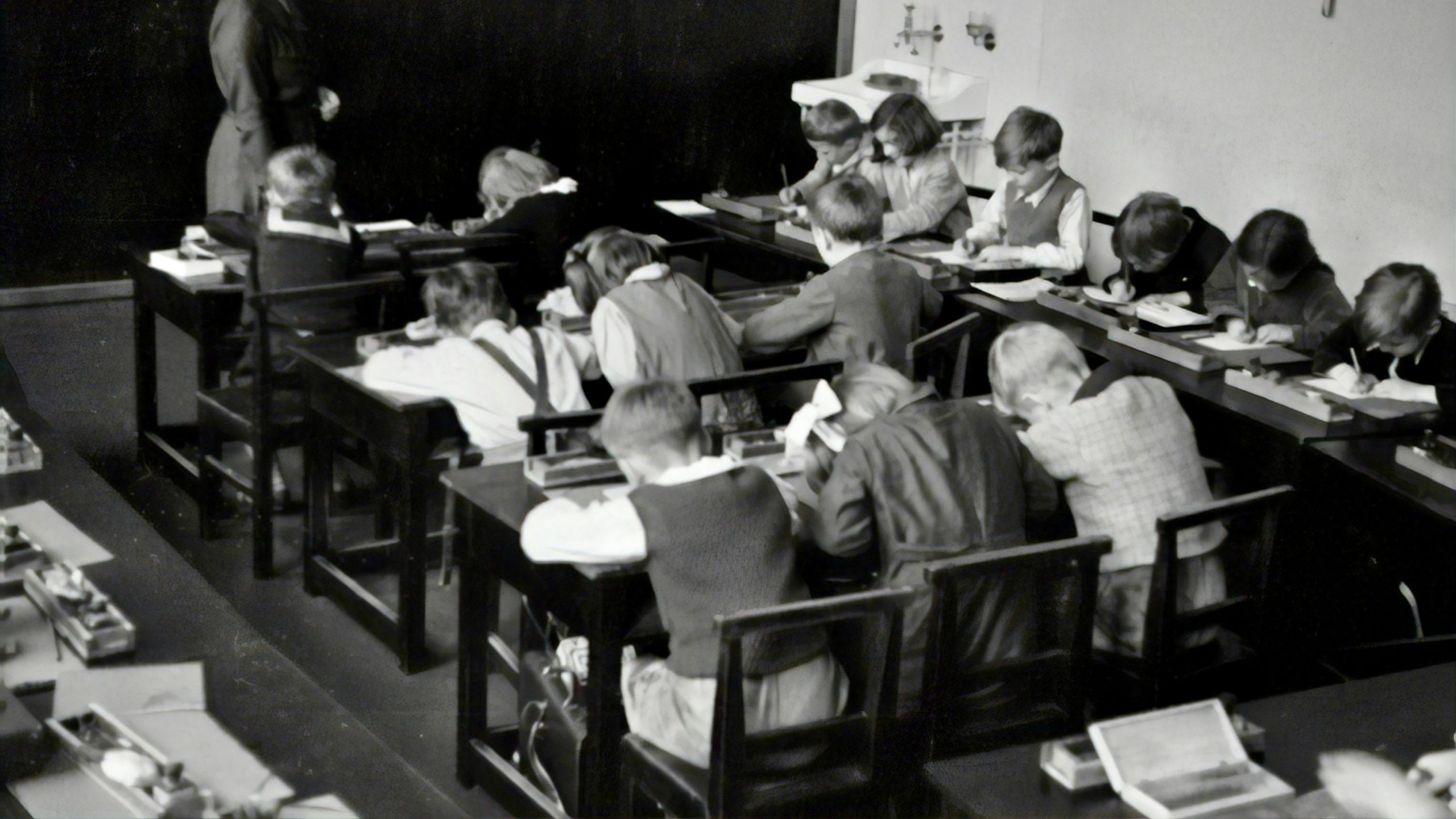
The Bible vs. The Classroom: Has God’s Word Truly Been Banned From Public Education?

It has been over six decades since the U.S. Supreme Court banned Bible reading in public schools. In 1963, one year after it struck down state-sponsored prayers in School District of Abington Township v. Schempp, it ruled that teachers violated the Establishment Clause of the First Amendment when they read Scripture aloud. The same decision also banned in-class recitation of the Lord’s Prayer.

As a result, for the last 63 years, church-state separatists have labored feverishly to make sure the “wall of separation between church and state” erected by the Supreme Court continues to act as a de facto Berlin Wall, blocking traditional religious ideas from entering the secular haven of public education. Most Americans have instinctively known from the start that the Supreme Court got it wrong. John Adams’s reflections on the public value of “the Christian Religion” show the Founding Fathers viewed Christianity not only as something of great spiritual merit, but also as a shaper of public virtue.

Adams obviously saw no inconsistency between the First Amendment’s prohibition against government doing anything “respecting an establishment of religion” on the one hand, and the acknowledgment that Christian principles were of vital importance to the fledgling United States on the other. Since the Bible is clearly the source of Christian principles, one would expect the courts to honor our Founders’ intent to treat Biblical Christianity as, in Adams’s words, “necessary information” for the citizenry. Obviously, the opposite has occurred.

The Bible and the Battle Lines

In recent years, some educators have taken a close look at the 1963 Schempp decision and concluded the Bible has not been banned from public education. Schempp continues to be the pole star by which court decisions are guided. Here is a quotation from it:

It is insisted that, unless these religious exercises are permitted, a “religion of secularism” is established in the schools. We agree, of course, that the State may not establish a “religion of secularism” in the sense of affirmatively opposing or showing hostility to religion, thus “preferring those who believe in no religion over those who do believe.”…In addition, it might well be said that one’s education is not complete without a study of comparative religion or the history of religion and its relationship to the advancement of civilization. It certainly may be said that the Bible is worthy of study for its literary and historic qualities. Nothing we have said here indicates that such study of the Bible or of religion, when presented objectively as part of a secular program of education, may not be effected consistently with the First Amendment. But the exercises here do not fall into those categories. They are religious exercises, required by the States in violation of the command of the First Amendment that the Government maintain strict neutrality, neither aiding nor opposing religion.

There are a number of academic references that could back up the appropriateness of both the literary and historical approaches to using the Bible. However, due to a concerted anti-evangelical bias in much of the academic world, you have to dig to find it.

On the issue of the importance of the Bible and Christian literature to the average American in the founding of the nation, one scholar noted, “Americans early on had stressed literacy in their daily, Bible-reading lives, and nearly every visitor from Europe was soon struck by the fact that even chambermaids and husbandrymen owned copies of Pilgrim’s Progress.”

These types of citations from generally accepted sources, coupled with the acknowledgement by the courts that knowledge of the Bible is indispensible to a well-rounded education, should be enough to get your foot in the door. Though there may be perfectly logical reasons why Christians might not want secular educators explaining the Bible to their children, the misguided belief that the First Amendment prohibits it should certainly not be one of them.


give

give

A Slap In The Face Of History: 88 Years After Kristallnacht, Jewish Businesses Are Again Ostracized And Boycotted

There is no better way to ostracize than the BDS movement's attempt at crippling Israel's economy and isolating Jewish businesses and organizations, not to mention those who support them. Israel's enemies are very creative, even though they are also very specific in what they chose to boycott out of convenience. This attempt at separation included a protest bike ride in Philadelphia to boycott Jewish eateries around town. Incidentally, in an unexpected show of support, the places intended for boycott got very long lines outside for food. Regardless, the choice of date, being a day before the remembrance of Kristallnacht, was a slap in the face of history. The modern BDS movement was only born in 2005, but it has done a lot of damage and continues to inflict further ostracism on Israel and Diaspora Jews economically, politically, culturally, and academically, albeit very hypocritically.

Report: Oppression Of Christians Worsens In 55% Of Countries, With No Nation Showing Improvement

The persecution and oppression of our brothers and sisters in Christ around the world is getting worse, according to a report from Aid to the Church in Need UK. This report on the persecuted church found the “oppression of Christians has worsened in 55% of countries . . . without any country showing an improvement.” According to the report, which looked at persecution between August 2024 and June 2026, Christians “are being forced from their homes through conflict, extremism, and religiously motivated violence in 18 countries across Africa, Asia, the Middle East, and Latin America.” This means 220 million Christians are “directly exposed to persecution worldwide.”

sign up

How Should Christians Stand When Standing Is No Longer Considered Polite Or Permitted?

In January, worshippers at Cities Church in Minnesota were shocked to see a mob of angry activists storming the sanctuary, shouting obscenities and terrifying young children as they protested. Across Europe, anti-Christian attacks have also been steadily rising—vandalism, desecration, physical violence, and arson. Britain has supplied its own version of opposition: men and women arrested for silently praying outside abortion clinics, Christian speech silenced online, and even a lawmaker, Finnish Parliament Member Päivi Räsänen, temporarily barred from flying through London Heathrow because of her Biblical convictions.

ABC's of Salvation

Decision

christ in prophecy

christ in prophecy

Decision

untitled artwork

Israel My Glory

It has been over six decades since the U.S. Supreme Court banned Bible reading in public schools. In 1963, one year after it struck down state-sponsored prayers in School District of Abington Township v. Schempp, it ruled that teachers violated the Establishment Clause of the First Amendment when they read Scripture aloud. The same decision also banned in-class recitation of the Lord’s Prayer.

As a result, for the last 63 years, church-state separatists have labored feverishly to make sure the “wall of separation between church and state” erected by the Supreme Court continues to act as a de facto Berlin Wall, blocking traditional religious ideas from entering the secular haven of public education. Most Americans have instinctively known from the start that the Supreme Court got it wrong. John Adams’s reflections on the public value of “the Christian Religion” show the Founding Fathers viewed Christianity not only as something of great spiritual merit, but also as a shaper of public virtue.

Adams obviously saw no inconsistency between the First Amendment’s prohibition against government doing anything “respecting an establishment of religion” on the one hand, and the acknowledgment that Christian principles were of vital importance to the fledgling United States on the other. Since the Bible is clearly the source of Christian principles, one would expect the courts to honor our Founders’ intent to treat Biblical Christianity as, in Adams’s words, “necessary information” for the citizenry. Obviously, the opposite has occurred.

The Bible and the Battle Lines

In recent years, some educators have taken a close look at the 1963 Schempp decision and concluded the Bible has not been banned from public education. Schempp continues to be the pole star by which court decisions are guided. Here is a quotation from it:

It is insisted that, unless these religious exercises are permitted, a “religion of secularism” is established in the schools. We agree, of course, that the State may not establish a “religion of secularism” in the sense of affirmatively opposing or showing hostility to religion, thus “preferring those who believe in no religion over those who do believe.”…In addition, it might well be said that one’s education is not complete without a study of comparative religion or the history of religion and its relationship to the advancement of civilization. It certainly may be said that the Bible is worthy of study for its literary and historic qualities. Nothing we have said here indicates that such study of the Bible or of religion, when presented objectively as part of a secular program of education, may not be effected consistently with the First Amendment. But the exercises here do not fall into those categories. They are religious exercises, required by the States in violation of the command of the First Amendment that the Government maintain strict neutrality, neither aiding nor opposing religion.

There are a number of academic references that could back up the appropriateness of both the literary and historical approaches to using the Bible. However, due to a concerted anti-evangelical bias in much of the academic world, you have to dig to find it.

On the issue of the importance of the Bible and Christian literature to the average American in the founding of the nation, one scholar noted, “Americans early on had stressed literacy in their daily, Bible-reading lives, and nearly every visitor from Europe was soon struck by the fact that even chambermaids and husbandrymen owned copies of Pilgrim’s Progress.”

These types of citations from generally accepted sources, coupled with the acknowledgement by the courts that knowledge of the Bible is indispensible to a well-rounded education, should be enough to get your foot in the door. Though there may be perfectly logical reasons why Christians might not want secular educators explaining the Bible to their children, the misguided belief that the First Amendment prohibits it should certainly not be one of them.


Trusted Analysis From A Biblical Worldview

Help reach the lost and equip the church with the living and active truth of God's Word in our world today.

YOU CARE ABOUT

BIBLICAL TRUTH. SO DO WE.


Together, We Can Deliver A Biblical Understanding

Of News Events Around The World.

A Slap In The Face Of History: 88 Years After Kristallnacht, Jewish Businesses Are Again Ostracized And Boycotted

There is no better way to ostracize than the BDS movement's attempt at crippling Israel's economy and isolating Jewish businesses and organizations, not to mention those who support them. Israel's enemies are very creative, even though they are also very specific in what they chose to boycott out of convenience. This attempt at separation included a protest bike ride in Philadelphia to boycott Jewish eateries around town. Incidentally, in an unexpected show of support, the places intended for boycott got very long lines outside for food. Regardless, the choice of date, being a day before the remembrance of Kristallnacht, was a slap in the face of history. The modern BDS movement was only born in 2005, but it has done a lot of damage and continues to inflict further ostracism on Israel and Diaspora Jews economically, politically, culturally, and academically, albeit very hypocritically.

Report: Oppression Of Christians Worsens In 55% Of Countries, With No Nation Showing Improvement

The persecution and oppression of our brothers and sisters in Christ around the world is getting worse, according to a report from Aid to the Church in Need UK. This report on the persecuted church found the “oppression of Christians has worsened in 55% of countries . . . without any country showing an improvement.” According to the report, which looked at persecution between August 2024 and June 2026, Christians “are being forced from their homes through conflict, extremism, and religiously motivated violence in 18 countries across Africa, Asia, the Middle East, and Latin America.” This means 220 million Christians are “directly exposed to persecution worldwide.”

untitled artwork 6391

How Should Christians Stand When Standing Is No Longer Considered Polite Or Permitted?

In January, worshippers at Cities Church in Minnesota were shocked to see a mob of angry activists storming the sanctuary, shouting obscenities and terrifying young children as they protested. Across Europe, anti-Christian attacks have also been steadily rising—vandalism, desecration, physical violence, and arson. Britain has supplied its own version of opposition: men and women arrested for silently praying outside abortion clinics, Christian speech silenced online, and even a lawmaker, Finnish Parliament Member Päivi Räsänen, temporarily barred from flying through London Heathrow because of her Biblical convictions.

ABC's of Salvation

TV AD

worldview matters

Decision Magazine V AD

Decision

Jan Markell

Israel My Glory

Erick Stakelbeck

untitled artwork

YOU CARE ABOUT

BIBLICAL TRUTH.

SO DO WE.

Together, We Can Deliver A Biblical Understanding Of News Events Around The World And Equip The Church To Stand With A Biblical Worldview.

untitled artwork

Israel My Glory

YOU CARE ABOUT

BIBLICAL TRUTH.

SO DO WE.


Together, We Can Deliver A Biblical Understanding Of News Events Around The World And Equip The Church To Stand With A Biblical Worldview.