




November 3, 2026

November, 3, 2026
November 3, 2026

give

untitled artwork

untitled artwork

World news biblically understood

TRENDING:

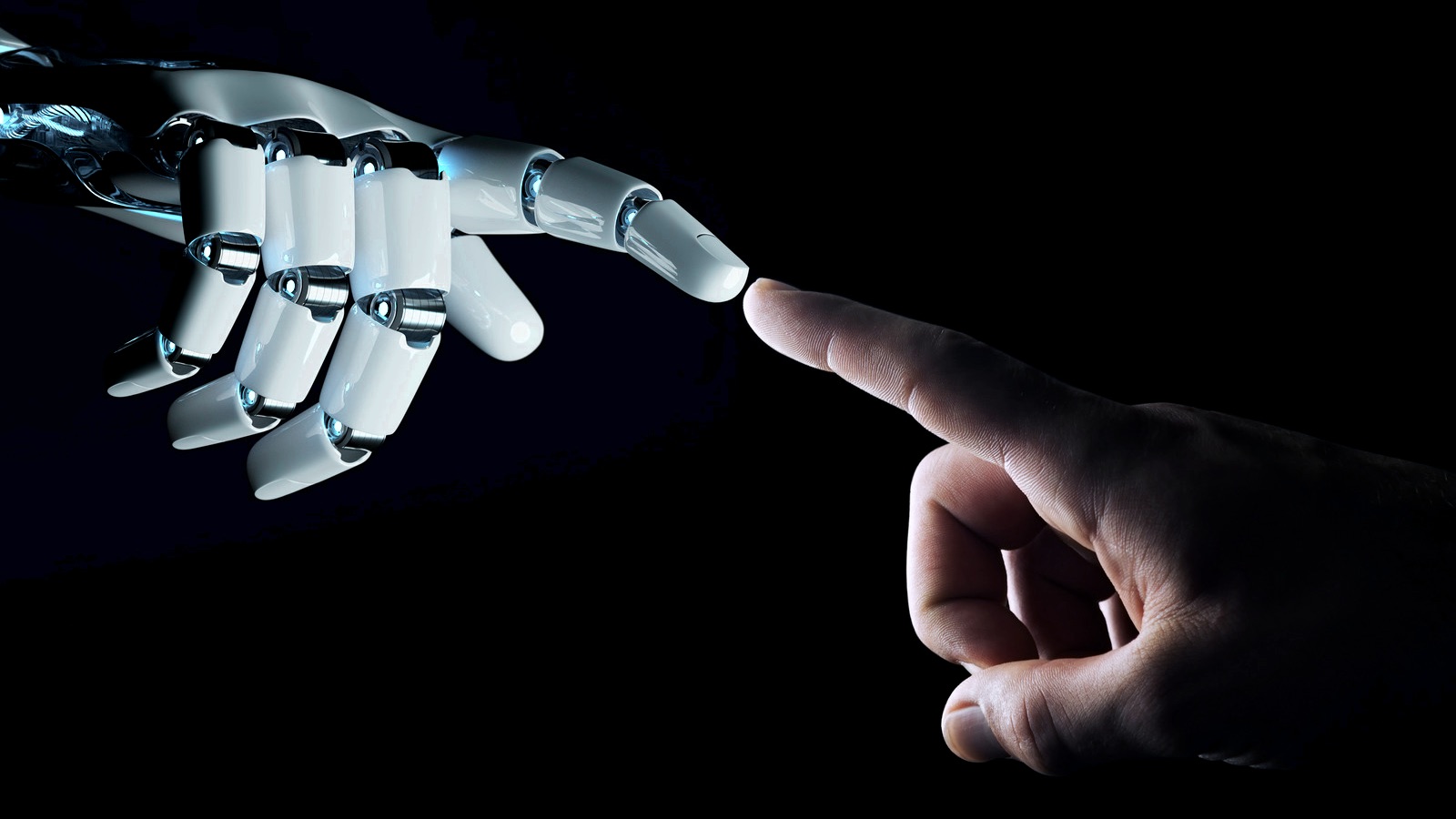
The Transhumanist Push: Should We Update God’s Design?

Modern technology can do amazing things to help people in great need. But what if the same technology can be repurposed to enhance healthy people beyond their natural limits?

Has this ever happened to you? I went to the grocery store for bread, eggs, and cheese, but when I got home, I realized I had forgotten the bread. My wife just laughed and said, “I do that all the time!” When I was younger, I passed this off as absentmindedness.

But now I’m not so sure. As baby boomers like me get older, we worry (if you’re not there yet, then perhaps you worry about your parents or grandparents). One in nine Americans has Alzheimer’s dementia, a condition associated with memory loss, difficulty in performing daily activities, and severe mood swings. Alzheimer’s has no cure, and it worsens inexorably until death.

Who wouldn’t encourage almost any form of research to help? For instance, several “cognitive enhancement strategies” are on the market. These include drugs that stimulate the brain’s memory and learning. Such drugs do not prolong life, but they can improve its quality.

In an even more startling development, experiments have put silicon chips in animal brains, paving the way for human trials of a “memory prosthesis.” Such a brain implant might help restore lost memories and rebuild cognitive abilities.

But what if we could use these strategies to enhance “normal” people? It sounds like science fiction. Yet with our cell phones and ever-present computers, we have become increasingly comfortable merging our bodies with devices. D. T. Max, in a recent National Geographic article, put it this way: “Our cars are our feet, our calculators are our minds, and Google is our memory. Our lives are now only partially biological.”

So if it is okay to merge with machines to ease the decline of aging, is it okay to enhance the natural abilities of a healthy person? A modern movement called transhumanism wants to do all this and more. This philosophy claims we should accelerate “human evolution” to transcend our physical and mental limitations.

Transhumanism promises to make humans more advanced through robotics, merging us with machines, and even “uploading our consciousness” into computers. In essence, it desires to reinvent humanity. Why not leave the shackles of our bodies and buy into the transhumanist vision?

These questions cry out for a clear Biblical perspective on healing and wellness to guide us. We must first acknowledge that disease, decline, and death are a result of Adam’s sin. Because of the curse in Genesis 3, all of us must age and die. Job laments that “man is born to trouble as the sparks fly upward” (5:7). Moses reminds us, “The years of our life are seventy . . . yet their span is but toil and trouble” (Psalm 90:10).

Next, we must remember that our God knows how much we suffer. We can rejoice with Paul that our Lord is “the Father of mercies and God of all comfort” (2 Corinthians 1:3). The medical profession is but an earthly reflection of this heavenly principle. So it is completely reasonable to seek modern medicine to lessen our pain and help us live more productive lives.

But should we go even further? As long as our drugs and devices can help us navigate our senior years with grace and productivity, that’s a good goal. But should we try to become “better than well” to enhance human abilities to see farther, think faster, or lift more than our natural bodies and brains ever could?

Many Biblical issues come into play. The transhumanist push seems pretty self-centered. On the sixth day of creation, God called His completed work “very good” (Genesis 1:31). We weren’t missing anything. True, the Fall hurt our abilities in many ways, but there’s a huge difference between restoring our original potential and grasping for more.

Modern transhumanists are saying to the Lord of life, “Actually, I can do better.” We know God has condemned such impulses, for He condemned Satan for tempting Eve when he told her, “You will be like God” (Genesis 3:5). This may sound extreme, but it’s the kind of thinking that undergirds much of the transhumanist movement. Do Christians really support these goals? At what point does the desire to overcome the effects of the Fall go too far? It’s hard to say. Drawing a hard line between healing and enhancement will not be easy. But the question is important because human beings should not try to meddle with their very nature.

Helping others in their infirmities is clearly taught in Scripture (Romans 15:1). But wrong motives can pervert even justifiable actions (see Matthew 6:1). We shouldn’t trust a secular vision that doesn’t recognize God’s higher purpose (see Psalm 119:67).

What is wrong with seeking a long, pain-free life? Inherently, nothing. But Christians need to emphasize that our fundamental problem is not a lack of physical strength or a deficit in our brain capacity. Our problem is a corrupt heart and a sinful, self-centered will. The only cure for that is Christ, and the free gift of salvation that comes only from trusting Him.
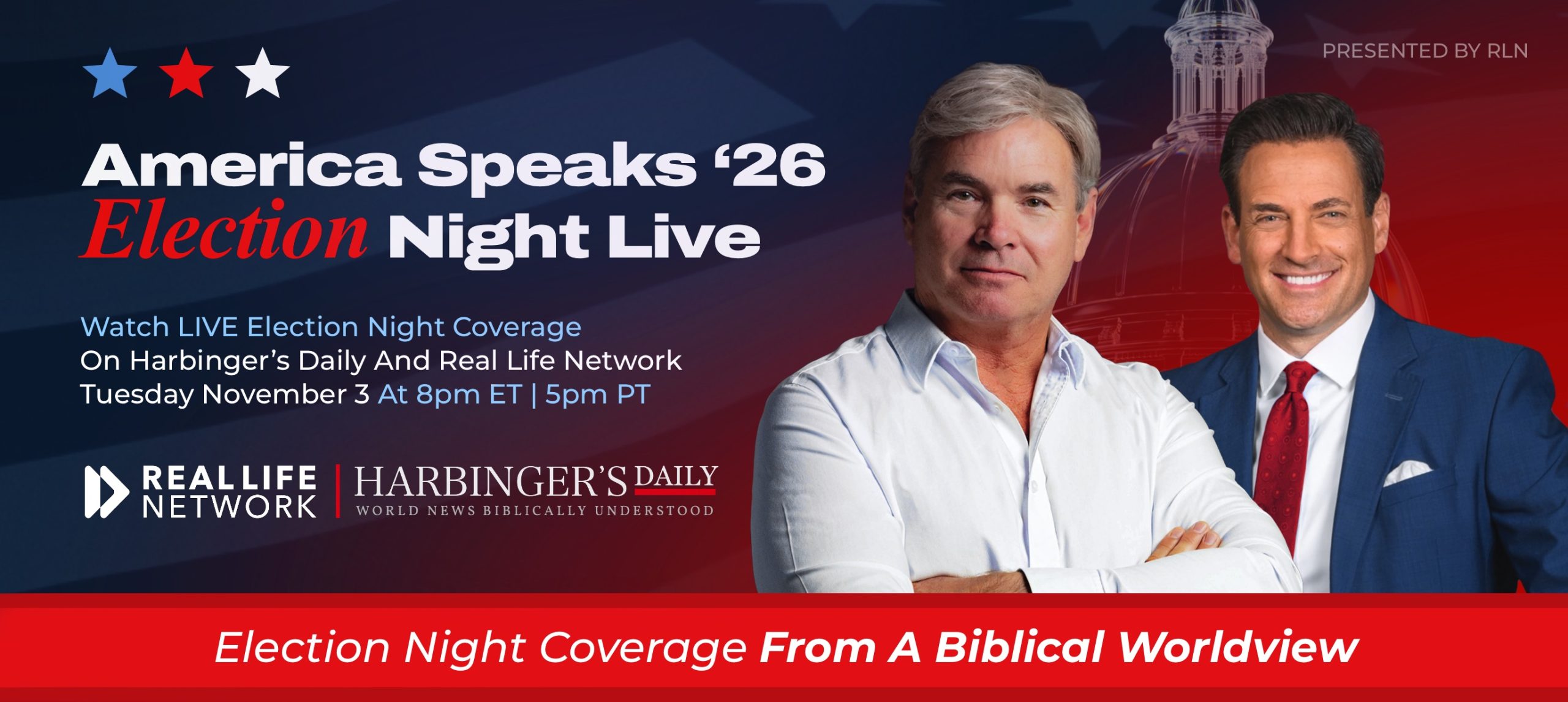

Why Christians Have A Biblical Responsibility To Participate In The Political Process

With the 2026 midterm elections just days away, millions of Americans are preparing to cast their ballots in an election that will have significant implications for the nation’s future. With control of Congress hanging in the balance, voters will help determine the legislative agenda and political trajectory of the next two years. For Christians, the election raises questions that go beyond political parties, candidates, and policy preferences. Is voting merely a civic privilege, or does Scripture provide a theological framework for understanding it as an act of stewardship and love of neighbor? And what role should pastors and churches play in equipping believers to exercise this responsibility faithfully? As Americans prepare to head to the polls next Tuesday, these questions invite us to consider a more fundamental issue: whether Christians have a Biblical responsibility to participate in the political process.

A Barbaric Death Penalty: Politicians, Doctors, The Abortion Industry, And The Media Have Lied To Mothers

Sadly, the abortion industry continues to either deny the level of pain inflicted upon the preborn or bury the evidence by introducing “expert” reports that contain deliberately vague language which seeks to assure mothers that abortion does not cross any moral barriers. Although a consensus on the impact of pain on the preborn would be a positive step in educating the public, the reality is that pain tolerance does not excuse the injustice perpetrated in abortion clinics.

sign up

The Church Cannot Remain Silent On Biblical Matters Because They Have Been Declared ‘Political’

Jesus called His followers the salt of the earth and the light of the world. Neither image suggests withdrawal. Both describe engagement that makes a difference. So the issue is not whether the church should become political. It is whether Christians will remain biblical when biblical truth has political consequences. Our calling is neither to become the mouthpiece of a party nor to retreat into silence. It is to stand on God’s word, defend what is right, confront what is wrong, and speak with courage — even when the culture would rather we remain silent.

ABC's of Salvation

Decision

christ in prophecy

christ in prophecy

Decision

untitled artwork

Israel My Glory

Modern technology can do amazing things to help people in great need. But what if the same technology can be repurposed to enhance healthy people beyond their natural limits?

Has this ever happened to you? I went to the grocery store for bread, eggs, and cheese, but when I got home, I realized I had forgotten the bread. My wife just laughed and said, “I do that all the time!” When I was younger, I passed this off as absentmindedness.

But now I’m not so sure. As baby boomers like me get older, we worry (if you’re not there yet, then perhaps you worry about your parents or grandparents). One in nine Americans has Alzheimer’s dementia, a condition associated with memory loss, difficulty in performing daily activities, and severe mood swings. Alzheimer’s has no cure, and it worsens inexorably until death.

Who wouldn’t encourage almost any form of research to help? For instance, several “cognitive enhancement strategies” are on the market. These include drugs that stimulate the brain’s memory and learning. Such drugs do not prolong life, but they can improve its quality.

In an even more startling development, experiments have put silicon chips in animal brains, paving the way for human trials of a “memory prosthesis.” Such a brain implant might help restore lost memories and rebuild cognitive abilities.

But what if we could use these strategies to enhance “normal” people? It sounds like science fiction. Yet with our cell phones and ever-present computers, we have become increasingly comfortable merging our bodies with devices. D. T. Max, in a recent National Geographic article, put it this way: “Our cars are our feet, our calculators are our minds, and Google is our memory. Our lives are now only partially biological.”

So if it is okay to merge with machines to ease the decline of aging, is it okay to enhance the natural abilities of a healthy person? A modern movement called transhumanism wants to do all this and more. This philosophy claims we should accelerate “human evolution” to transcend our physical and mental limitations.

Transhumanism promises to make humans more advanced through robotics, merging us with machines, and even “uploading our consciousness” into computers. In essence, it desires to reinvent humanity. Why not leave the shackles of our bodies and buy into the transhumanist vision?

These questions cry out for a clear Biblical perspective on healing and wellness to guide us. We must first acknowledge that disease, decline, and death are a result of Adam’s sin. Because of the curse in Genesis 3, all of us must age and die. Job laments that “man is born to trouble as the sparks fly upward” (5:7). Moses reminds us, “The years of our life are seventy . . . yet their span is but toil and trouble” (Psalm 90:10).

Next, we must remember that our God knows how much we suffer. We can rejoice with Paul that our Lord is “the Father of mercies and God of all comfort” (2 Corinthians 1:3). The medical profession is but an earthly reflection of this heavenly principle. So it is completely reasonable to seek modern medicine to lessen our pain and help us live more productive lives.

But should we go even further? As long as our drugs and devices can help us navigate our senior years with grace and productivity, that’s a good goal. But should we try to become “better than well” to enhance human abilities to see farther, think faster, or lift more than our natural bodies and brains ever could?

Many Biblical issues come into play. The transhumanist push seems pretty self-centered. On the sixth day of creation, God called His completed work “very good” (Genesis 1:31). We weren’t missing anything. True, the Fall hurt our abilities in many ways, but there’s a huge difference between restoring our original potential and grasping for more.

Modern transhumanists are saying to the Lord of life, “Actually, I can do better.” We know God has condemned such impulses, for He condemned Satan for tempting Eve when he told her, “You will be like God” (Genesis 3:5). This may sound extreme, but it’s the kind of thinking that undergirds much of the transhumanist movement. Do Christians really support these goals? At what point does the desire to overcome the effects of the Fall go too far? It’s hard to say. Drawing a hard line between healing and enhancement will not be easy. But the question is important because human beings should not try to meddle with their very nature.

Helping others in their infirmities is clearly taught in Scripture (Romans 15:1). But wrong motives can pervert even justifiable actions (see Matthew 6:1). We shouldn’t trust a secular vision that doesn’t recognize God’s higher purpose (see Psalm 119:67).

What is wrong with seeking a long, pain-free life? Inherently, nothing. But Christians need to emphasize that our fundamental problem is not a lack of physical strength or a deficit in our brain capacity. Our problem is a corrupt heart and a sinful, self-centered will. The only cure for that is Christ, and the free gift of salvation that comes only from trusting Him.


Trusted Analysis From A Biblical Worldview

Help reach the lost and equip the church with the living and active truth of God's Word in our world today.

YOU CARE ABOUT

BIBLICAL TRUTH. SO DO WE.


Together, We Can Deliver A Biblical Understanding

Of News Events Around The World.

Why Christians Have A Biblical Responsibility To Participate In The Political Process

With the 2026 midterm elections just days away, millions of Americans are preparing to cast their ballots in an election that will have significant implications for the nation’s future. With control of Congress hanging in the balance, voters will help determine the legislative agenda and political trajectory of the next two years. For Christians, the election raises questions that go beyond political parties, candidates, and policy preferences. Is voting merely a civic privilege, or does Scripture provide a theological framework for understanding it as an act of stewardship and love of neighbor? And what role should pastors and churches play in equipping believers to exercise this responsibility faithfully? As Americans prepare to head to the polls next Tuesday, these questions invite us to consider a more fundamental issue: whether Christians have a Biblical responsibility to participate in the political process.

A Barbaric Death Penalty: Politicians, Doctors, The Abortion Industry, And The Media Have Lied To Mothers

Sadly, the abortion industry continues to either deny the level of pain inflicted upon the preborn or bury the evidence by introducing “expert” reports that contain deliberately vague language which seeks to assure mothers that abortion does not cross any moral barriers. Although a consensus on the impact of pain on the preborn would be a positive step in educating the public, the reality is that pain tolerance does not excuse the injustice perpetrated in abortion clinics.

untitled artwork 6391

The Church Cannot Remain Silent On Biblical Matters Because They Have Been Declared ‘Political’

Jesus called His followers the salt of the earth and the light of the world. Neither image suggests withdrawal. Both describe engagement that makes a difference. So the issue is not whether the church should become political. It is whether Christians will remain biblical when biblical truth has political consequences. Our calling is neither to become the mouthpiece of a party nor to retreat into silence. It is to stand on God’s word, defend what is right, confront what is wrong, and speak with courage — even when the culture would rather we remain silent.

ABC's of Salvation

TV AD

worldview matters

Decision Magazine V AD

Decision

Jan Markell

Israel My Glory

Erick Stakelbeck

untitled artwork

YOU CARE ABOUT

BIBLICAL TRUTH.

SO DO WE.

Together, We Can Deliver A Biblical Understanding Of News Events Around The World And Equip The Church To Stand With A Biblical Worldview.

untitled artwork

Israel My Glory

YOU CARE ABOUT

BIBLICAL TRUTH.

SO DO WE.


Together, We Can Deliver A Biblical Understanding Of News Events Around The World And Equip The Church To Stand With A Biblical Worldview.