
give

June 6, 2026

June, 6, 2026
June 6, 2026

give

untitled artwork

untitled artwork

World news biblically understood

TRENDING:

Purim: Jewish Survival Isn’t Contingent On The World’s Hostility, But The Power Of God

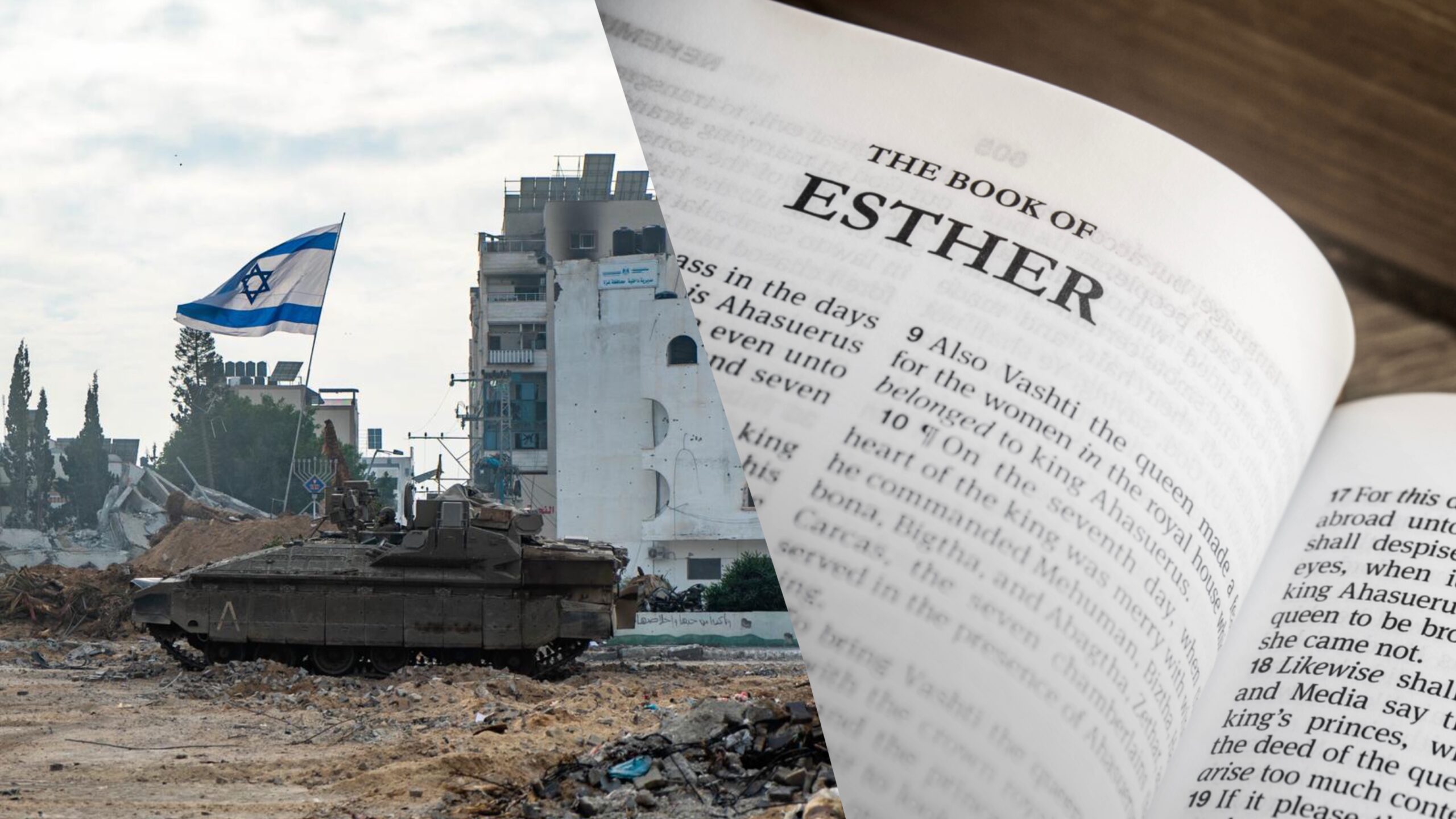
Saturday evening will mark the beginning of the observance of Purim for Jews around the world. The life of Esther provides insight into the background and biblical story behind this annual celebration.

Purim = פורים; meaning “lots”

From Saturday evening until sundown on Sunday, Jews throughout the world will celebrate Purim, a holiday commemorating the Jewish people’s survival in the ancient Persian Empire. Purim is celebrated on the 14th day of Adar by Jewish communities. It includes festivities, parties, costumes, and the reading of the Book of Esther. The story of Purim is found in the Book of Esther, where a plot by Haman, the royal advisor to King Ahasuerus, was conceived to kill the Jews in the Persian Empire.

Three years into King Ahasuerus’ reign, he made a feast for officials, servants, nobles, and princes lasting 180 days. When that feast was over, the king gave a banquet for all the people in Shushan. On the seventh day of that banquet, King Ahasuerus asked his wife, Queen Vashti, to be brought before his men to show them her beauty. Queen Vashti refused his request, angering the king, which led to her banishment.

Following Queen Vashti’s removal, King Ahasuerus sought a new wife, ordering a beauty pageant in which he would choose a new bride. A law was decreed that all of the beautiful, single women of the land would be brought to King Ahasuerus so he could pick a new queen.

One of the women presented to the king was Esther, an orphaned girl raised by her cousin Mordecai who loved her as his daughter. Mordecai was a Shushanite resident and leader of the Jewish people. He asked Esther to keep her Jewish identity a secret for her own safety.

Esther was forced to join King Ahasuerus’s harem to participate in the contest of becoming the king’s new wife. For twelve months, the women were pampered in perfumes, oils, and lotions in preparation for the king’s choosing. During the selection, King Ahasuerus was taken by Esther’s beauty and married her, making her Queen Esther of Persia.

Shortly after their marriage, Mordecai overheard a plot by the king’s servants to assassinate King Ahasuerus. The men were hanged after Mordecai informed the king of their plan.

One of the king’s ministers, Haman, was then promoted in rank. Haman was an anti-Semite, a descendant of the nation of Amalek. Shortly after his promotion, King Ahasuerus issued a decree that all must bow to Haman, but Mordecai refused to bow to Haman.

Haman went before the king, offering him 10,000 silver talents in exchange for permission to exterminate all the Jews of the land. The king refused to take the money and told Haman, “The nation is yours to do with as you please,” opening the floodgates for the persecution of the Jewish people. This marked the 13th of the month of Adar.

Haman sent proclamations throughout the kingdom signed with the royal crest calling on the people of the empire to oppose the Jews. Upon hearing of the decree, Mordecai called Esther to go to the king and beg him to spare the Jewish people. Mordecai told Esther:

Esther would agree to do as Mordecai requested and called on the Jew of the land to fast for three days, which all of them (approximately 22,000) agreed to do.

Following the three days of prayer and fasting, Esther approached the king. The king accepted her, and Esther invited Haman and the king to a feast she would prepare, and they accepted. The king asked Esther if she had a request for him, and Esther stated that she would ask him at the feast. The king accepted her invitation. During the feast, Mordecai refused to bow to Haman, leading to a plot by Haman to have him hanged.

The same night before the second feast, King Ahasuerus could not sleep and called on his servants to read from the royal chronicles. The servants read to him about Mordecai saving the king’s life. The king called on Haman, asking him what a man should be rewarded for saving a king. Haman responded that the man should be given royal garments, a royal horse, and be proclaimed throughout the city streets as the man who the king delights to honor…

…King Ahasuerus ordered Haman to do this for “Mordecai the Jew.”

The second feast arrived, and King Ahasuerus asked Esther what her request was. Esther revealed she was a Jew and exposed Haman for the evil man he was. She told the king about the gallows he built that were intended for Mordecai. The king immediately ordered that Haman be hanged on the gallows.

Esther and Mordecai pleaded with the king to annul the decree of the 13th of Adar. However, the king could not annul a royal decree. However, the king did permit Esther and Mordecai to issue a new decree that the Jewish people were permitted to defend themselves and pre-emptively kill anyone who put them at risk.

On the 13th of Adar, the Jews battled those who tried to kill them, including Haman’s ten sons who died in Shushan. Following the battle, Queen Esther requested from the king an additional day to slaughter those who attempted to kill the Jewish people. The king permitted her request, marking the 14th of Adar.

On the 15th of Adar, the Jews of Shushan celebrated their victory, commemorating the event’s holiday. The holiday of Purim is a celebration and remembrance of the attempted destruction of the Jews of Shushan and Queen Esther and Mordecai’s remembrance.

Observant Jews begin Purim on the 13th of Adar, fasting and commemorating Esther’s bravery. Jews today celebrate Purim by wearing costumes, having parties, and some will read the Book of Esther. During the reading of the Book of Esther, it is customary to “boo” every time Haman’s name is read aloud.

Many communities hold a ‘Purim spiel,” a reenactment of the Purim story. The holiday is celebrated with “Oznei Haman” or better known as “Hamantaschen”- a pastry with different fillings.

Today, we have the same spirit of the annihilation of the Jews coming from the same part of the world. Modern Iranian leaders are obsessed with the spirit of Haman even today. We don’t need an Esther in the palace anymore. We need the prayers of the saints worldwide.

In conclusion, we would do well to remember that the Jewish nation’s survival is not contingent on the hostility of the world, but rather, the power of the One who keeps them:


Shifting Public Opinion: The Appeal Of Pride Month Appears To Be Fading

For years, June brought a predictable wave of corporate logos, advertising campaigns, themed merchandise, and public celebrations. Parents learned to pay closer attention to commercials in family programming, sports fans grew accustomed to Pride-themed uniforms and promotions, and many city streets became venues for often indecent displays at Pride parades. This year is noticeably different. The symbols are not gone, but they are far less prominent. It’s premature to say Pride has fallen, but it is fair to say the appeal of Pride Month has faded.

A Wake-Up Call: Report Finds That Australian Christians Are Opting For Silence Over Societal Pushback

Over the past few years, I have spoken with countless believers who feel increasingly hesitant to express their faith openly. Teachers are unsure what they can say in the classroom. Healthcare workers worry about the consequences of acting according to their conscience. Employees feel pressure to keep their beliefs private in the workplace. Parents are concerned about the values being promoted in schools and public institutions. Perhaps the most significant finding is not that Christians are facing challenges. Jesus told us to expect opposition. Rather, it is that many believers are quietly withdrawing from public life. They are self-censoring.

sign up

Jan Markell: Is Israel’s Spiritual Blindness A Reason For Christians To Reject Them?

Ezekiel 36 emphasizes that when the Jews return to the land, they will do so in unbelief. There will be spiritual regeneration much later! The dry bones of Ezekiel 37 reflect a lack of breath or spiritual life. God states he is gathering them back “not for your sake but for my holy name’s sake,” because their presence among the nations caused his name to be profaned. Ezekiel 36 promises that once back in the land, God will cleanse them, give them a new spirit, and cause them to walk in his statutes. But much later.

ABC's of Salvation

Decision

UTT

FOI

untitled artwork

Israel My Glory

Saturday evening will mark the beginning of the observance of Purim for Jews around the world. The life of Esther provides insight into the background and biblical story behind this annual celebration.

Purim = פורים; meaning “lots”

From Saturday evening until sundown on Sunday, Jews throughout the world will celebrate Purim, a holiday commemorating the Jewish people’s survival in the ancient Persian Empire. Purim is celebrated on the 14th day of Adar by Jewish communities. It includes festivities, parties, costumes, and the reading of the Book of Esther. The story of Purim is found in the Book of Esther, where a plot by Haman, the royal advisor to King Ahasuerus, was conceived to kill the Jews in the Persian Empire.

Three years into King Ahasuerus’ reign, he made a feast for officials, servants, nobles, and princes lasting 180 days. When that feast was over, the king gave a banquet for all the people in Shushan. On the seventh day of that banquet, King Ahasuerus asked his wife, Queen Vashti, to be brought before his men to show them her beauty. Queen Vashti refused his request, angering the king, which led to her banishment.

Following Queen Vashti’s removal, King Ahasuerus sought a new wife, ordering a beauty pageant in which he would choose a new bride. A law was decreed that all of the beautiful, single women of the land would be brought to King Ahasuerus so he could pick a new queen.

One of the women presented to the king was Esther, an orphaned girl raised by her cousin Mordecai who loved her as his daughter. Mordecai was a Shushanite resident and leader of the Jewish people. He asked Esther to keep her Jewish identity a secret for her own safety.

Esther was forced to join King Ahasuerus’s harem to participate in the contest of becoming the king’s new wife. For twelve months, the women were pampered in perfumes, oils, and lotions in preparation for the king’s choosing. During the selection, King Ahasuerus was taken by Esther’s beauty and married her, making her Queen Esther of Persia.

Shortly after their marriage, Mordecai overheard a plot by the king’s servants to assassinate King Ahasuerus. The men were hanged after Mordecai informed the king of their plan.

One of the king’s ministers, Haman, was then promoted in rank. Haman was an anti-Semite, a descendant of the nation of Amalek. Shortly after his promotion, King Ahasuerus issued a decree that all must bow to Haman, but Mordecai refused to bow to Haman.

Haman went before the king, offering him 10,000 silver talents in exchange for permission to exterminate all the Jews of the land. The king refused to take the money and told Haman, “The nation is yours to do with as you please,” opening the floodgates for the persecution of the Jewish people. This marked the 13th of the month of Adar.

Haman sent proclamations throughout the kingdom signed with the royal crest calling on the people of the empire to oppose the Jews. Upon hearing of the decree, Mordecai called Esther to go to the king and beg him to spare the Jewish people. Mordecai told Esther:

Esther would agree to do as Mordecai requested and called on the Jew of the land to fast for three days, which all of them (approximately 22,000) agreed to do.

Following the three days of prayer and fasting, Esther approached the king. The king accepted her, and Esther invited Haman and the king to a feast she would prepare, and they accepted. The king asked Esther if she had a request for him, and Esther stated that she would ask him at the feast. The king accepted her invitation. During the feast, Mordecai refused to bow to Haman, leading to a plot by Haman to have him hanged.

The same night before the second feast, King Ahasuerus could not sleep and called on his servants to read from the royal chronicles. The servants read to him about Mordecai saving the king’s life. The king called on Haman, asking him what a man should be rewarded for saving a king. Haman responded that the man should be given royal garments, a royal horse, and be proclaimed throughout the city streets as the man who the king delights to honor…

…King Ahasuerus ordered Haman to do this for “Mordecai the Jew.”

The second feast arrived, and King Ahasuerus asked Esther what her request was. Esther revealed she was a Jew and exposed Haman for the evil man he was. She told the king about the gallows he built that were intended for Mordecai. The king immediately ordered that Haman be hanged on the gallows.

Esther and Mordecai pleaded with the king to annul the decree of the 13th of Adar. However, the king could not annul a royal decree. However, the king did permit Esther and Mordecai to issue a new decree that the Jewish people were permitted to defend themselves and pre-emptively kill anyone who put them at risk.

On the 13th of Adar, the Jews battled those who tried to kill them, including Haman’s ten sons who died in Shushan. Following the battle, Queen Esther requested from the king an additional day to slaughter those who attempted to kill the Jewish people. The king permitted her request, marking the 14th of Adar.

On the 15th of Adar, the Jews of Shushan celebrated their victory, commemorating the event’s holiday. The holiday of Purim is a celebration and remembrance of the attempted destruction of the Jews of Shushan and Queen Esther and Mordecai’s remembrance.

Observant Jews begin Purim on the 13th of Adar, fasting and commemorating Esther’s bravery. Jews today celebrate Purim by wearing costumes, having parties, and some will read the Book of Esther. During the reading of the Book of Esther, it is customary to “boo” every time Haman’s name is read aloud.

Many communities hold a ‘Purim spiel,” a reenactment of the Purim story. The holiday is celebrated with “Oznei Haman” or better known as “Hamantaschen”- a pastry with different fillings.

Today, we have the same spirit of the annihilation of the Jews coming from the same part of the world. Modern Iranian leaders are obsessed with the spirit of Haman even today. We don’t need an Esther in the palace anymore. We need the prayers of the saints worldwide.

In conclusion, we would do well to remember that the Jewish nation’s survival is not contingent on the hostility of the world, but rather, the power of the One who keeps them:


Trusted Analysis From A Biblical Worldview

Help reach the lost and equip the church with the living and active truth of God's Word in our world today.

YOU CARE ABOUT

BIBLICAL TRUTH. SO DO WE.


Together, We Can Deliver A Biblical Understanding

Of News Events Around The World.

Shifting Public Opinion: The Appeal Of Pride Month Appears To Be Fading

For years, June brought a predictable wave of corporate logos, advertising campaigns, themed merchandise, and public celebrations. Parents learned to pay closer attention to commercials in family programming, sports fans grew accustomed to Pride-themed uniforms and promotions, and many city streets became venues for often indecent displays at Pride parades. This year is noticeably different. The symbols are not gone, but they are far less prominent. It’s premature to say Pride has fallen, but it is fair to say the appeal of Pride Month has faded.

A Wake-Up Call: Report Finds That Australian Christians Are Opting For Silence Over Societal Pushback

Over the past few years, I have spoken with countless believers who feel increasingly hesitant to express their faith openly. Teachers are unsure what they can say in the classroom. Healthcare workers worry about the consequences of acting according to their conscience. Employees feel pressure to keep their beliefs private in the workplace. Parents are concerned about the values being promoted in schools and public institutions. Perhaps the most significant finding is not that Christians are facing challenges. Jesus told us to expect opposition. Rather, it is that many believers are quietly withdrawing from public life. They are self-censoring.

untitled artwork 6391

Jan Markell: Is Israel’s Spiritual Blindness A Reason For Christians To Reject Them?

Ezekiel 36 emphasizes that when the Jews return to the land, they will do so in unbelief. There will be spiritual regeneration much later! The dry bones of Ezekiel 37 reflect a lack of breath or spiritual life. God states he is gathering them back “not for your sake but for my holy name’s sake,” because their presence among the nations caused his name to be profaned. Ezekiel 36 promises that once back in the land, God will cleanse them, give them a new spirit, and cause them to walk in his statutes. But much later.

ABC's of Salvation

TV AD

worldview matters

Decision Magazine V AD

Decision

Jan Markell

Israel My Glory

Erick Stakelbeck

untitled artwork

YOU CARE ABOUT

BIBLICAL TRUTH.

SO DO WE.

Together, We Can Deliver A Biblical Understanding Of News Events Around The World And Equip The Church To Stand With A Biblical Worldview.

untitled artwork

Israel My Glory

YOU CARE ABOUT

BIBLICAL TRUTH.

SO DO WE.


Together, We Can Deliver A Biblical Understanding Of News Events Around The World And Equip The Church To Stand With A Biblical Worldview.