






November 3, 2026

November, 3, 2026
November 3, 2026

give

untitled artwork

untitled artwork

World news biblically understood

TRENDING:

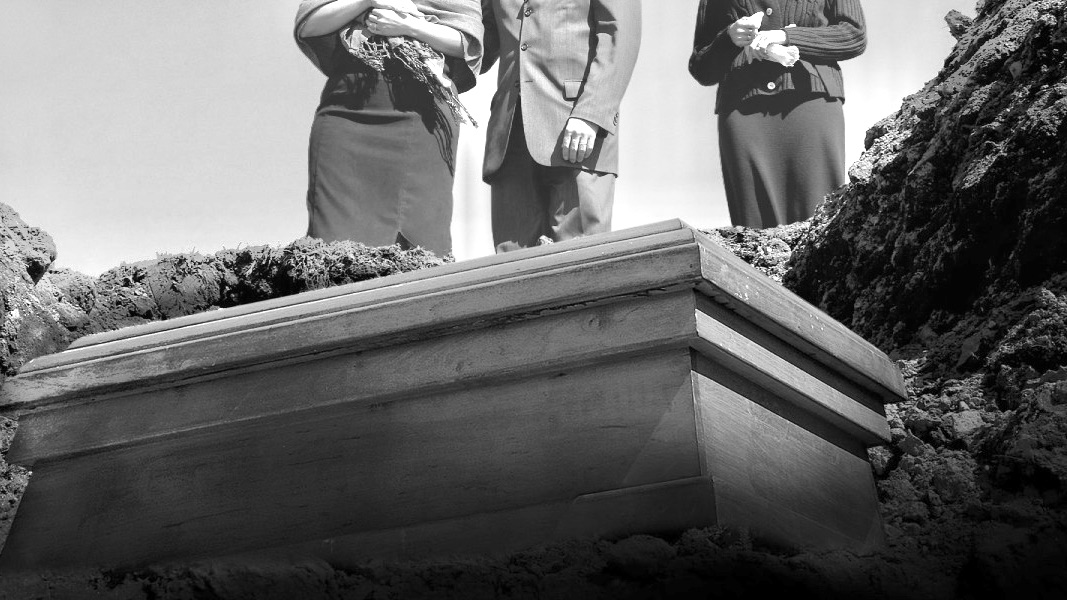
How The Reality Of Hell Should Impact Believers’ Lives

Ray Comfort

I recently asked myself a challenging question. It’s challenging because of its implications.

Here’s the question: If I truly believed, in the deepest part of my heart, that Hell is real, how should that belief affect my life?

This goes to the very heart of the Christian faith because Jesus spoke more about Hell than about Heaven. If I profess to believe Him, then I must believe what He said.

But surely, if God is love—if He is good—Hell cannot possibly exist.

That was a subconscious thought that lingered in my mind until I wrote Hitler, God, and the Bible. After studying the horrors of Nazi Germany, I stopped asking, “How could Hell exist?” and began asking, “How could it not?” If God is truly good—if He cares about justice and truth—then there must be a Day of Judgment.

The Bible warns that God is so holy and just that He will not only judge those who slaughtered innocent people but also liars, thieves, blasphemers, adulterers, and fornicators. Scripture says His judgment will be so thorough that it will grind to powder. When something is ground to powder, nothing remains untouched.

So how should these truths affect me as a Christian? That was the challenging question. My conclusion was simple: if I truly believe in Hell, nothing else should matter more.

If I believe in Hell, life will take on a new sense of urgency. The things that seem so important—my comfort, happiness, possessions, money, and entertainment—will shrink into their proper perspective. I will say with Paul, “Knowing therefore the terror of the Lord, we persuade men.” (2 Corinthians 5:11)

The moment I understand what Jesus saved me from, I will understand what He saved me for—to warn every man so that we may present every man perfect in Christ. Why? Because the love of Christ compels us. Jesus put it this way: “To whom little is forgiven, the same loves little.” (Luke 7:47)

If I believe in Hell, it will transform my prayer life. Instead of merely pleading with God to meet my own needs, I will plead with Him for the salvation of the lost. I will groan in prayer and echo David’s words: “Horror has taken hold upon me because of the wicked that forsake thy law.” (Psalm 119:53)

If I believe in Hell, I will not be able to walk past an unbeliever without looking into their eyes and grieving over what awaits if they die in their sins. I will overcome my fear of rejection and share the gospel. How could I do otherwise? I will remember the disciples in Acts who, when commanded to remain silent, replied, “We cannot but speak the things which we have seen and heard.” (Acts 4:20)

Believing in Hell will make me patient with those who mock or oppose the gospel. My goal is not to win arguments but to win people. The stakes are too high for me to be driven by pride or a desire to be right.

Believing in Hell will also change how I see other believers. I will view each one as a fellow soldier in God’s army and do everything I can to encourage, strengthen, and equip them for the battle.

If I believe in Hell, I will linger over passages in God’s Word that speak of sin, judgment, righteousness, and God’s holiness. I won’t merely search for promises that make my life more comfortable. I will search for truths that make me a more faithful witness for Christ.

If I believe in Hell, there will be a tear in my eye when I pray and a tear in my voice when I preach.

May God help us not merely acknowledge the reality of Hell, but truly believe it.
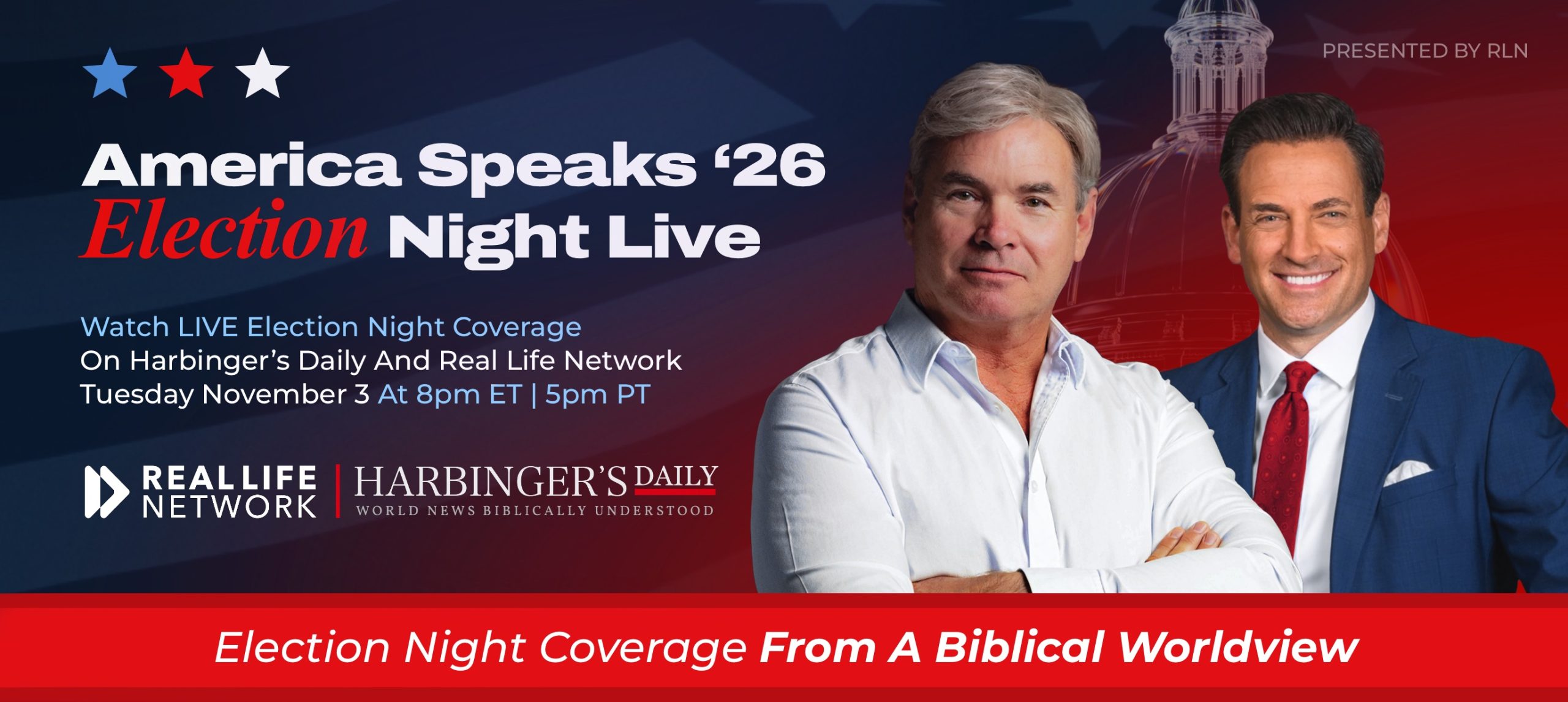

Why Christians Have A Biblical Responsibility To Participate In The Political Process

With the 2026 midterm elections just days away, millions of Americans are preparing to cast their ballots in an election that will have significant implications for the nation’s future. With control of Congress hanging in the balance, voters will help determine the legislative agenda and political trajectory of the next two years. For Christians, the election raises questions that go beyond political parties, candidates, and policy preferences. Is voting merely a civic privilege, or does Scripture provide a theological framework for understanding it as an act of stewardship and love of neighbor? And what role should pastors and churches play in equipping believers to exercise this responsibility faithfully? As Americans prepare to head to the polls next Tuesday, these questions invite us to consider a more fundamental issue: whether Christians have a Biblical responsibility to participate in the political process.

A Barbaric Death Penalty: Politicians, Doctors, The Abortion Industry, And The Media Have Lied To Mothers

Sadly, the abortion industry continues to either deny the level of pain inflicted upon the preborn or bury the evidence by introducing “expert” reports that contain deliberately vague language which seeks to assure mothers that abortion does not cross any moral barriers. Although a consensus on the impact of pain on the preborn would be a positive step in educating the public, the reality is that pain tolerance does not excuse the injustice perpetrated in abortion clinics.

sign up

The Church Cannot Remain Silent On Biblical Matters Because They Have Been Declared ‘Political’

Jesus called His followers the salt of the earth and the light of the world. Neither image suggests withdrawal. Both describe engagement that makes a difference. So the issue is not whether the church should become political. It is whether Christians will remain biblical when biblical truth has political consequences. Our calling is neither to become the mouthpiece of a party nor to retreat into silence. It is to stand on God’s word, defend what is right, confront what is wrong, and speak with courage — even when the culture would rather we remain silent.

ABC's of Salvation

Decision

christ in prophecy

christ in prophecy

Decision

untitled artwork

Israel My Glory

Ray Comfort

I recently asked myself a challenging question. It’s challenging because of its implications.

Here’s the question: If I truly believed, in the deepest part of my heart, that Hell is real, how should that belief affect my life?

This goes to the very heart of the Christian faith because Jesus spoke more about Hell than about Heaven. If I profess to believe Him, then I must believe what He said.

But surely, if God is love—if He is good—Hell cannot possibly exist.

That was a subconscious thought that lingered in my mind until I wrote Hitler, God, and the Bible. After studying the horrors of Nazi Germany, I stopped asking, “How could Hell exist?” and began asking, “How could it not?” If God is truly good—if He cares about justice and truth—then there must be a Day of Judgment.

The Bible warns that God is so holy and just that He will not only judge those who slaughtered innocent people but also liars, thieves, blasphemers, adulterers, and fornicators. Scripture says His judgment will be so thorough that it will grind to powder. When something is ground to powder, nothing remains untouched.

So how should these truths affect me as a Christian? That was the challenging question. My conclusion was simple: if I truly believe in Hell, nothing else should matter more.

If I believe in Hell, life will take on a new sense of urgency. The things that seem so important—my comfort, happiness, possessions, money, and entertainment—will shrink into their proper perspective. I will say with Paul, “Knowing therefore the terror of the Lord, we persuade men.” (2 Corinthians 5:11)

The moment I understand what Jesus saved me from, I will understand what He saved me for—to warn every man so that we may present every man perfect in Christ. Why? Because the love of Christ compels us. Jesus put it this way: “To whom little is forgiven, the same loves little.” (Luke 7:47)

If I believe in Hell, it will transform my prayer life. Instead of merely pleading with God to meet my own needs, I will plead with Him for the salvation of the lost. I will groan in prayer and echo David’s words: “Horror has taken hold upon me because of the wicked that forsake thy law.” (Psalm 119:53)

If I believe in Hell, I will not be able to walk past an unbeliever without looking into their eyes and grieving over what awaits if they die in their sins. I will overcome my fear of rejection and share the gospel. How could I do otherwise? I will remember the disciples in Acts who, when commanded to remain silent, replied, “We cannot but speak the things which we have seen and heard.” (Acts 4:20)

Believing in Hell will make me patient with those who mock or oppose the gospel. My goal is not to win arguments but to win people. The stakes are too high for me to be driven by pride or a desire to be right.

Believing in Hell will also change how I see other believers. I will view each one as a fellow soldier in God’s army and do everything I can to encourage, strengthen, and equip them for the battle.

If I believe in Hell, I will linger over passages in God’s Word that speak of sin, judgment, righteousness, and God’s holiness. I won’t merely search for promises that make my life more comfortable. I will search for truths that make me a more faithful witness for Christ.

If I believe in Hell, there will be a tear in my eye when I pray and a tear in my voice when I preach.

May God help us not merely acknowledge the reality of Hell, but truly believe it.


Trusted Analysis From A Biblical Worldview

Help reach the lost and equip the church with the living and active truth of God's Word in our world today.

YOU CARE ABOUT

BIBLICAL TRUTH. SO DO WE.


Together, We Can Deliver A Biblical Understanding

Of News Events Around The World.

Why Christians Have A Biblical Responsibility To Participate In The Political Process

With the 2026 midterm elections just days away, millions of Americans are preparing to cast their ballots in an election that will have significant implications for the nation’s future. With control of Congress hanging in the balance, voters will help determine the legislative agenda and political trajectory of the next two years. For Christians, the election raises questions that go beyond political parties, candidates, and policy preferences. Is voting merely a civic privilege, or does Scripture provide a theological framework for understanding it as an act of stewardship and love of neighbor? And what role should pastors and churches play in equipping believers to exercise this responsibility faithfully? As Americans prepare to head to the polls next Tuesday, these questions invite us to consider a more fundamental issue: whether Christians have a Biblical responsibility to participate in the political process.

A Barbaric Death Penalty: Politicians, Doctors, The Abortion Industry, And The Media Have Lied To Mothers

Sadly, the abortion industry continues to either deny the level of pain inflicted upon the preborn or bury the evidence by introducing “expert” reports that contain deliberately vague language which seeks to assure mothers that abortion does not cross any moral barriers. Although a consensus on the impact of pain on the preborn would be a positive step in educating the public, the reality is that pain tolerance does not excuse the injustice perpetrated in abortion clinics.

untitled artwork 6391

The Church Cannot Remain Silent On Biblical Matters Because They Have Been Declared ‘Political’

Jesus called His followers the salt of the earth and the light of the world. Neither image suggests withdrawal. Both describe engagement that makes a difference. So the issue is not whether the church should become political. It is whether Christians will remain biblical when biblical truth has political consequences. Our calling is neither to become the mouthpiece of a party nor to retreat into silence. It is to stand on God’s word, defend what is right, confront what is wrong, and speak with courage — even when the culture would rather we remain silent.

ABC's of Salvation

TV AD

worldview matters

Decision Magazine V AD

Decision

Jan Markell

Israel My Glory

Erick Stakelbeck

untitled artwork

YOU CARE ABOUT

BIBLICAL TRUTH.

SO DO WE.

Together, We Can Deliver A Biblical Understanding Of News Events Around The World And Equip The Church To Stand With A Biblical Worldview.

untitled artwork

Israel My Glory

YOU CARE ABOUT

BIBLICAL TRUTH.

SO DO WE.


Together, We Can Deliver A Biblical Understanding Of News Events Around The World And Equip The Church To Stand With A Biblical Worldview.