April 27, 2026

April, 27, 2026
April 27, 2026

give

untitled artwork

untitled artwork

World news biblically understood

TRENDING:

Eroding Legitimacy: The UN Taps Brutal Dictator Regimes To Oversee NGOs

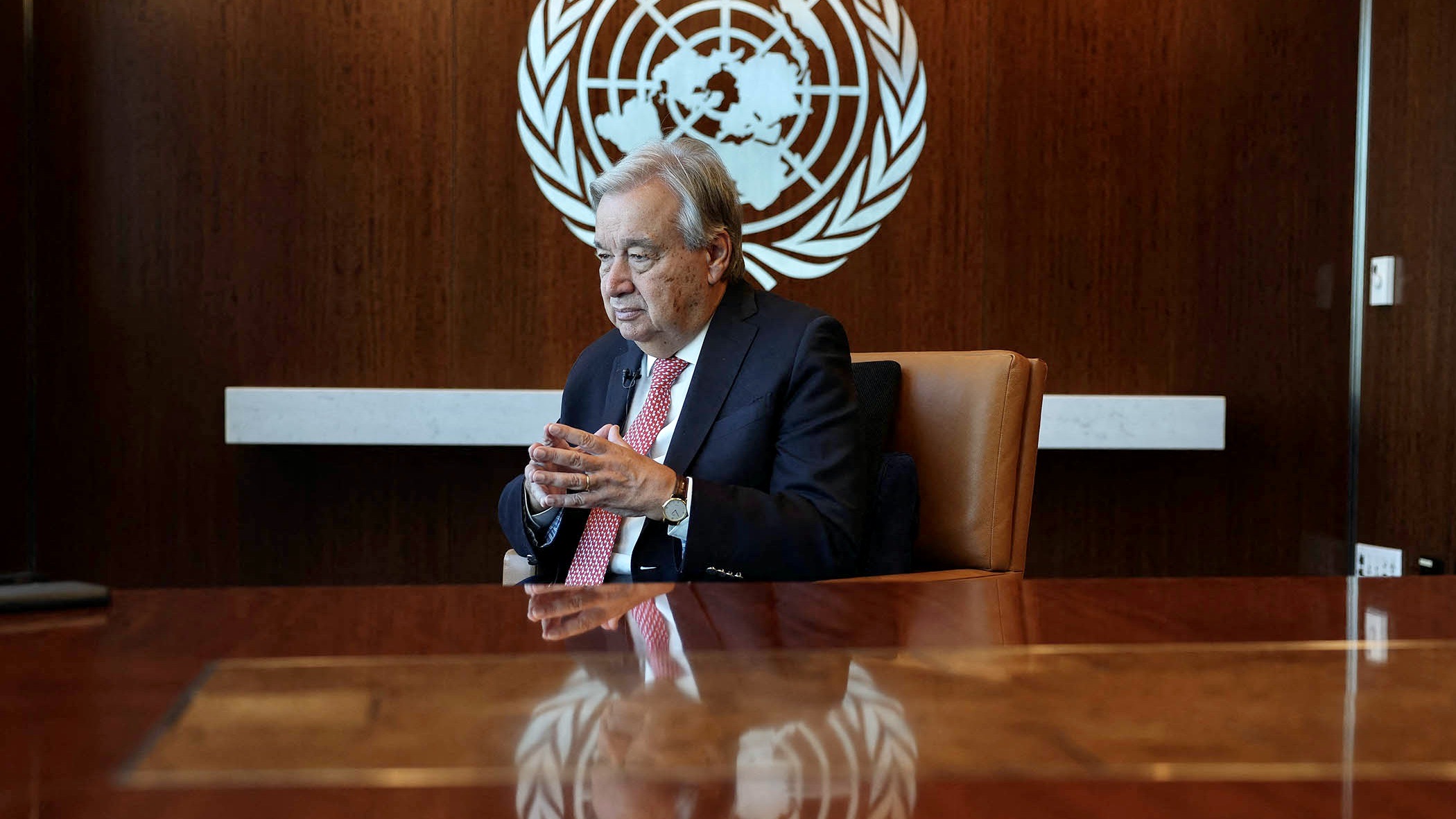
The United Nations (U.N.) is once again handing the keys to the hen house over to the foxes. This month, Cuba, Iran, China, Nicaragua, and Sudan are among the 19 countries that will accredit and oversee NGOs on the Committee on Non-Governmental Organizations.

Each of these regimes counts among its “achievements” the criminalization or persecution of dissident voices; furthermore, they deliberately attack or refuse to recognize those voices that do not serve their interests.

The U.N. operates on the basis of equitable geographical representation in the distribution of seats and positions. Each regional bloc is expected to have some form of representation in those bodies that are not permanent. Experts in the field justify this organizational structure — the progenitor of “wokeism” — based on a specific political objective: global legitimacy and international balance.

However, the election of dictatorships to U.N. posts raises two immediate questions: Are there no other nations — more or less democratic — available in Asia, Africa, or the Americas? And does the fact that tyrannies are allowed to cycle through these positions — thereby gaining political capital or operational leverage beyond their own borders — not erode the very legitimacy of the U.N.?

The committee in question — established in 1946 by the U.N. Economic and Social Council (ECOSOC) — has drawn criticism from entities such as the independent NGO UN Watch. Specifically, the group called upon Canada, France, Spain, Norway, the Netherlands, Australia, the United Kingdom, and other democracies to explain “why they participated in the election of serial human rights violators to key positions within the UN bodies charged with overseeing those very rights.”

From the other side, there has been silence. But let us examine the “political fauna” that the Western powers cited by UN Watch have chosen to applaud.

In the case of Nicaragua, the persecution of NGOs and independent actors operating outside state control has intensified significantly in recent years. In August 2024, the regime of Daniel Ortega and Rosario Murillo ordered the revocation of the legal status of 1,500 NGOs — most of them evangelical churches.

According to the Ministry of the Interior, these organizations allegedly failed to fulfill their obligations by neglecting to submit their financial statements. In reality — as reported by various media outlets — this constitutes an ongoing effort by the authoritarian government to repress individuals and institutions not allied with the authorities.

Since 2018, Managua has shut down more than 5,000 nonprofit organizations.

In the case of Iran, authorities recently censored media outlets, disrupted satellite television channels, and continued to block or filter mobile applications and social media platforms, according to Amnesty International.

This comes as they continue to target political parties, civil society organizations, and independent trade unions — taking reprisals against workers, nursing professionals, teachers, and labor rights activists for going on strike and gathering peacefully.

Just months ago, we witnessed how massive gatherings and protests held nationwide against the Ayatollahs were quelled in a bloodbath. Although internet blackouts and information suppression made it difficult to confirm actual figures, two high-ranking officials from Iran’s Ministry of Health told Time magazine that as many as 30,000 people may have died in street clashes during January alone.

In Sudan, the conflict between rival military factions that erupted in April 2023 has yet to yield stability or allow for the rule of law to prevail in the African nation.

The U.N. itself — which has now approved the country’s admission to the Committee on Non-Governmental Organizations — reported less than two years ago that the escalation of human rights violations and abuses there was “unprecedented.”

After visiting Port Sudan, Nouicer called upon Sudanese authorities to protect civilians, allow unimpeded access for humanitarian aid, put an end to arbitrary detentions, and ensure accountability for those who have violated human rights.

China, for its part, tops the list in this regard. Beijing controls the primary channels of information — ranging from television and radio to print publications. Its “Great Firewall“ prevents the population from accessing common information available on the internet. In this context, it targets independent associations and media outlets.

Meanwhile, in Cuba, violations of freedom of association have persisted for nearly 70 years — ever since the Socialist Revolution came to power.

Although this right is specifically “recognized” in Article 56 — and, more generally, in Article 41 — of the 2019 Constitution, the restrictive spirit of the laws on the island effectively curtails it de facto. The Constitution mandates the exclusivity, irrevocability, and supremacy of the socialist model through Articles 4 and 5.

Today, organizations — including churches with tens of thousands of members, such as the Alliance of Evangelical Churches of Cuba — remain unable to obtain legal recognition in the Registry of Associations. The same applies to dissident parties and organizations. Despite the pressure exerted on their leaders, many continue to operate with public visibility.

The inconsistency within this supranational mechanism is evident regarding the island. Just a few weeks ago, four U.N. rapporteurs issued a Letter of Allegations condemning human rights violations committed by Havana.

Following Cuba’s election to the Committee on Non-Governmental Organizations, the Castro regime’s Foreign Minister celebrated the outcome, stating that it served as recognition of “Cuba’s track record in promoting the participation of genuine non-governmental organizations from all regions in the work” of the U.N.

Given this landscape, how do you think each of these regimes will cast their vote within the U.N. Committee on Non-Governmental Organizations?

Perhaps the only positive aspect I see in all of this is that Cuba’s integration into this mechanism would take place during the term beginning in 2027. Perhaps — God willing — the Castro regime will not last that long.


Give

Give

The White House Correspondents’ Dinner Shooting: A Sobering Reminder That We Live In ‘Perilous Times’

The suspect left behind a written manifesto clearly stating his intention to target the President and members of his administration. He also carried significant anti-Trump and anti-Christian rhetoric on his social media accounts. President Trump confirmed it himself on Fox News: “When you read his manifesto, he hates Christians.” Acts of extreme violence and threats have become far too common, and it’s deeply concerning for our nation. The White House Correspondents’ Dinner Shooting serves as a sobering reminder of the tense and uncertain times we are living in. What is going on in America? The Bible has an answer.

A Spiritual Battle: There Are Dark Clouds Looming Over The Once-Great City Of Minneapolis

September of 1950 was when Billy Graham’s organization was founded in Minneapolis. The Billy Graham Evangelistic Association was the very heart of powerful expansion of the saving message of Jesus Christ. Jan Markell's ministry carries on that all important push to get the message that Jesus saves from this geographical area. Is it any wonder Satan and his minions wage war on this twin-city area that serves as the center for evangelization of America and the world?

sign up

Abandoning The Duty Of A Shepherd: Should Pastors Speak About Politics From The Pulpit?

When a pastor preaches about what God has to say in His Word about gender, intimacy and marriage, sanctity of life, parental authority, stewardship of resources whether personal or societal, defending one’s family, threats of false doctrines and religions, etc., they are not being “political” but Biblical. Speaking on such topics does not imply that a pastor has an agenda; it simply means they are faithfully fulfilling their duty to proclaim the truth on such matters which God has laid out in His Word.

ABC's of Salvation

Decision

UTT

FOI

untitled artwork

Israel My Glory

The United Nations (U.N.) is once again handing the keys to the hen house over to the foxes. This month, Cuba, Iran, China, Nicaragua, and Sudan are among the 19 countries that will accredit and oversee NGOs on the Committee on Non-Governmental Organizations.

Each of these regimes counts among its “achievements” the criminalization or persecution of dissident voices; furthermore, they deliberately attack or refuse to recognize those voices that do not serve their interests.

The U.N. operates on the basis of equitable geographical representation in the distribution of seats and positions. Each regional bloc is expected to have some form of representation in those bodies that are not permanent. Experts in the field justify this organizational structure — the progenitor of “wokeism” — based on a specific political objective: global legitimacy and international balance.

However, the election of dictatorships to U.N. posts raises two immediate questions: Are there no other nations — more or less democratic — available in Asia, Africa, or the Americas? And does the fact that tyrannies are allowed to cycle through these positions — thereby gaining political capital or operational leverage beyond their own borders — not erode the very legitimacy of the U.N.?

The committee in question — established in 1946 by the U.N. Economic and Social Council (ECOSOC) — has drawn criticism from entities such as the independent NGO UN Watch. Specifically, the group called upon Canada, France, Spain, Norway, the Netherlands, Australia, the United Kingdom, and other democracies to explain “why they participated in the election of serial human rights violators to key positions within the UN bodies charged with overseeing those very rights.”

From the other side, there has been silence. But let us examine the “political fauna” that the Western powers cited by UN Watch have chosen to applaud.

In the case of Nicaragua, the persecution of NGOs and independent actors operating outside state control has intensified significantly in recent years. In August 2024, the regime of Daniel Ortega and Rosario Murillo ordered the revocation of the legal status of 1,500 NGOs — most of them evangelical churches.

According to the Ministry of the Interior, these organizations allegedly failed to fulfill their obligations by neglecting to submit their financial statements. In reality — as reported by various media outlets — this constitutes an ongoing effort by the authoritarian government to repress individuals and institutions not allied with the authorities.

Since 2018, Managua has shut down more than 5,000 nonprofit organizations.

In the case of Iran, authorities recently censored media outlets, disrupted satellite television channels, and continued to block or filter mobile applications and social media platforms, according to Amnesty International.

This comes as they continue to target political parties, civil society organizations, and independent trade unions — taking reprisals against workers, nursing professionals, teachers, and labor rights activists for going on strike and gathering peacefully.

Just months ago, we witnessed how massive gatherings and protests held nationwide against the Ayatollahs were quelled in a bloodbath. Although internet blackouts and information suppression made it difficult to confirm actual figures, two high-ranking officials from Iran’s Ministry of Health told Time magazine that as many as 30,000 people may have died in street clashes during January alone.

In Sudan, the conflict between rival military factions that erupted in April 2023 has yet to yield stability or allow for the rule of law to prevail in the African nation.

The U.N. itself — which has now approved the country’s admission to the Committee on Non-Governmental Organizations — reported less than two years ago that the escalation of human rights violations and abuses there was “unprecedented.”

After visiting Port Sudan, Nouicer called upon Sudanese authorities to protect civilians, allow unimpeded access for humanitarian aid, put an end to arbitrary detentions, and ensure accountability for those who have violated human rights.

China, for its part, tops the list in this regard. Beijing controls the primary channels of information — ranging from television and radio to print publications. Its “Great Firewall“ prevents the population from accessing common information available on the internet. In this context, it targets independent associations and media outlets.

Meanwhile, in Cuba, violations of freedom of association have persisted for nearly 70 years — ever since the Socialist Revolution came to power.

Although this right is specifically “recognized” in Article 56 — and, more generally, in Article 41 — of the 2019 Constitution, the restrictive spirit of the laws on the island effectively curtails it de facto. The Constitution mandates the exclusivity, irrevocability, and supremacy of the socialist model through Articles 4 and 5.

Today, organizations — including churches with tens of thousands of members, such as the Alliance of Evangelical Churches of Cuba — remain unable to obtain legal recognition in the Registry of Associations. The same applies to dissident parties and organizations. Despite the pressure exerted on their leaders, many continue to operate with public visibility.

The inconsistency within this supranational mechanism is evident regarding the island. Just a few weeks ago, four U.N. rapporteurs issued a Letter of Allegations condemning human rights violations committed by Havana.

Following Cuba’s election to the Committee on Non-Governmental Organizations, the Castro regime’s Foreign Minister celebrated the outcome, stating that it served as recognition of “Cuba’s track record in promoting the participation of genuine non-governmental organizations from all regions in the work” of the U.N.

Given this landscape, how do you think each of these regimes will cast their vote within the U.N. Committee on Non-Governmental Organizations?

Perhaps the only positive aspect I see in all of this is that Cuba’s integration into this mechanism would take place during the term beginning in 2027. Perhaps — God willing — the Castro regime will not last that long.


Trusted Analysis From A Biblical Worldview

Help reach the lost and equip the church with the living and active truth of God's Word in our world today.

YOU CARE ABOUT

BIBLICAL TRUTH. SO DO WE.


Together, We Can Deliver A Biblical Understanding

Of News Events Around The World.

The White House Correspondents’ Dinner Shooting: A Sobering Reminder That We Live In ‘Perilous Times’

The suspect left behind a written manifesto clearly stating his intention to target the President and members of his administration. He also carried significant anti-Trump and anti-Christian rhetoric on his social media accounts. President Trump confirmed it himself on Fox News: “When you read his manifesto, he hates Christians.” Acts of extreme violence and threats have become far too common, and it’s deeply concerning for our nation. The White House Correspondents’ Dinner Shooting serves as a sobering reminder of the tense and uncertain times we are living in. What is going on in America? The Bible has an answer.

A Spiritual Battle: There Are Dark Clouds Looming Over The Once-Great City Of Minneapolis

September of 1950 was when Billy Graham’s organization was founded in Minneapolis. The Billy Graham Evangelistic Association was the very heart of powerful expansion of the saving message of Jesus Christ. Jan Markell's ministry carries on that all important push to get the message that Jesus saves from this geographical area. Is it any wonder Satan and his minions wage war on this twin-city area that serves as the center for evangelization of America and the world?

untitled artwork 6391

Abandoning The Duty Of A Shepherd: Should Pastors Speak About Politics From The Pulpit?

When a pastor preaches about what God has to say in His Word about gender, intimacy and marriage, sanctity of life, parental authority, stewardship of resources whether personal or societal, defending one’s family, threats of false doctrines and religions, etc., they are not being “political” but Biblical. Speaking on such topics does not imply that a pastor has an agenda; it simply means they are faithfully fulfilling their duty to proclaim the truth on such matters which God has laid out in His Word.

ABC's of Salvation

TV AD

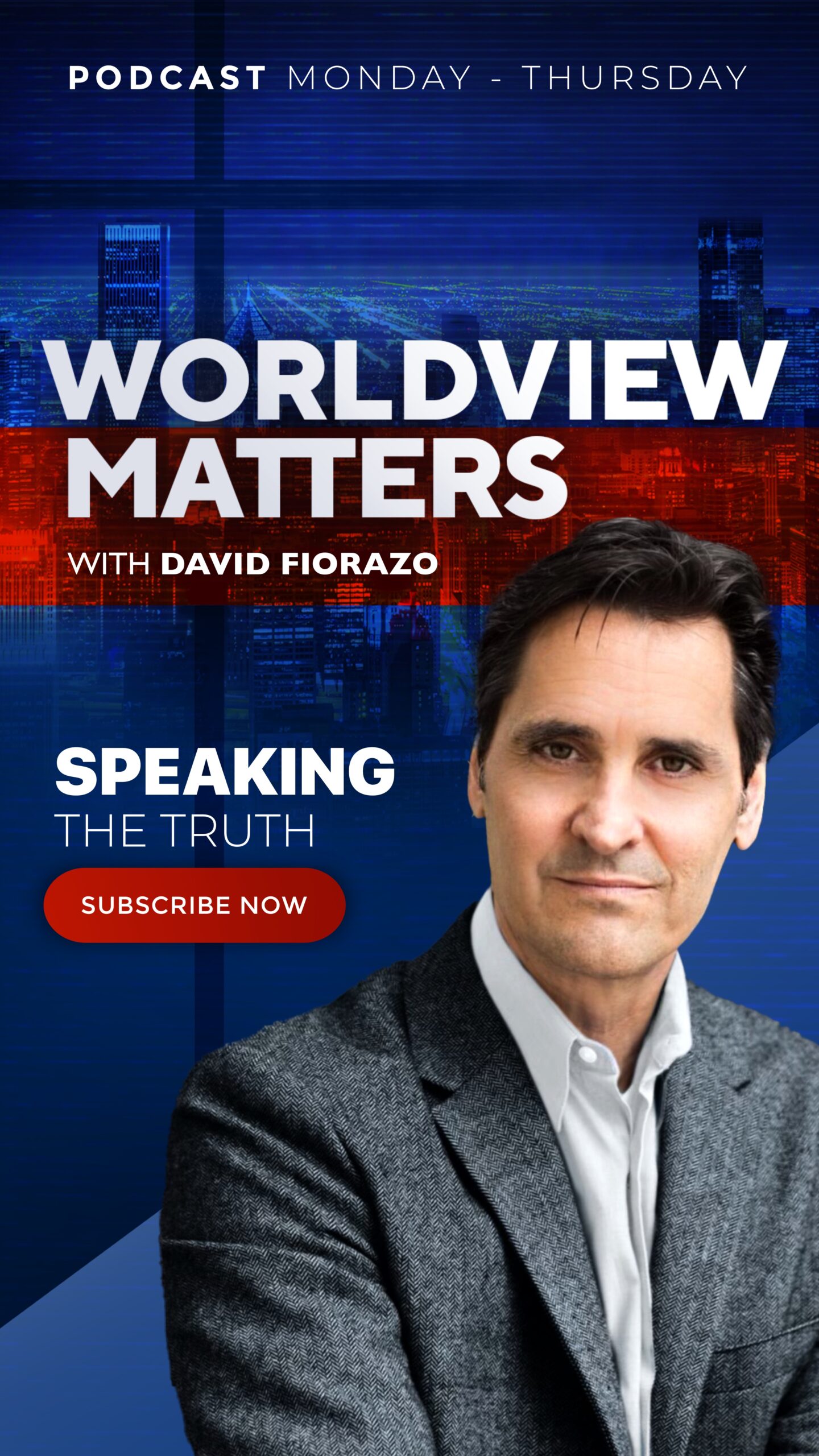
worldview matters

Decision Magazine V AD

Decision

Jan Markell

Israel My Glory

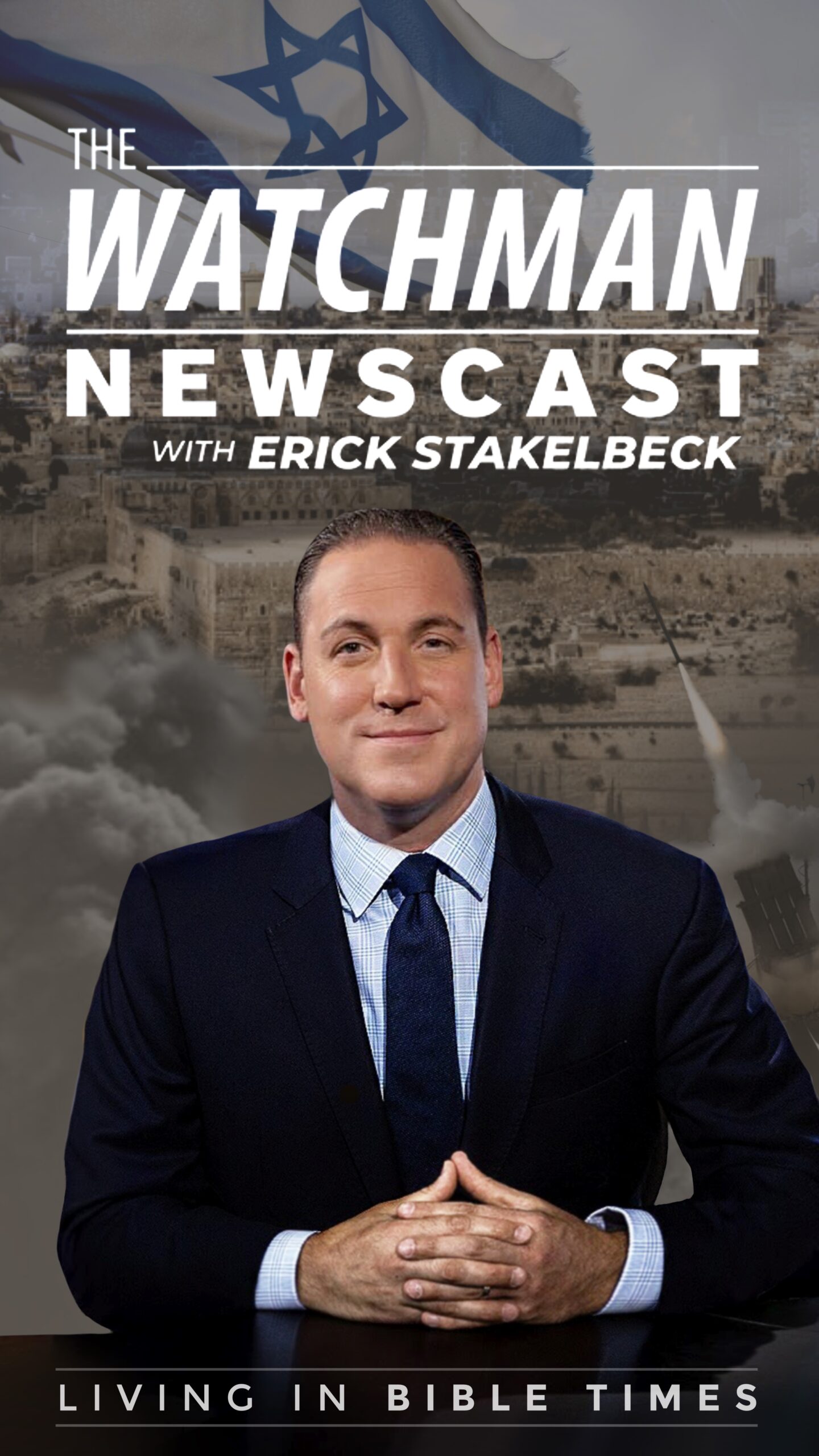
Erick Stakelbeck

untitled artwork

YOU CARE ABOUT

BIBLICAL TRUTH.

SO DO WE.

Together, We Can Deliver A Biblical Understanding Of News Events Around The World And Equip The Church To Stand With A Biblical Worldview.

untitled artwork

Israel My Glory

YOU CARE ABOUT

BIBLICAL TRUTH.

SO DO WE.


Together, We Can Deliver A Biblical Understanding Of News Events Around The World And Equip The Church To Stand With A Biblical Worldview.