
give

June 6, 2026

June, 6, 2026
June 6, 2026

give

untitled artwork

untitled artwork

World news biblically understood

TRENDING:

Christmas In Genesis: From The Beginning Sinful Mankind Was Promised The Savior

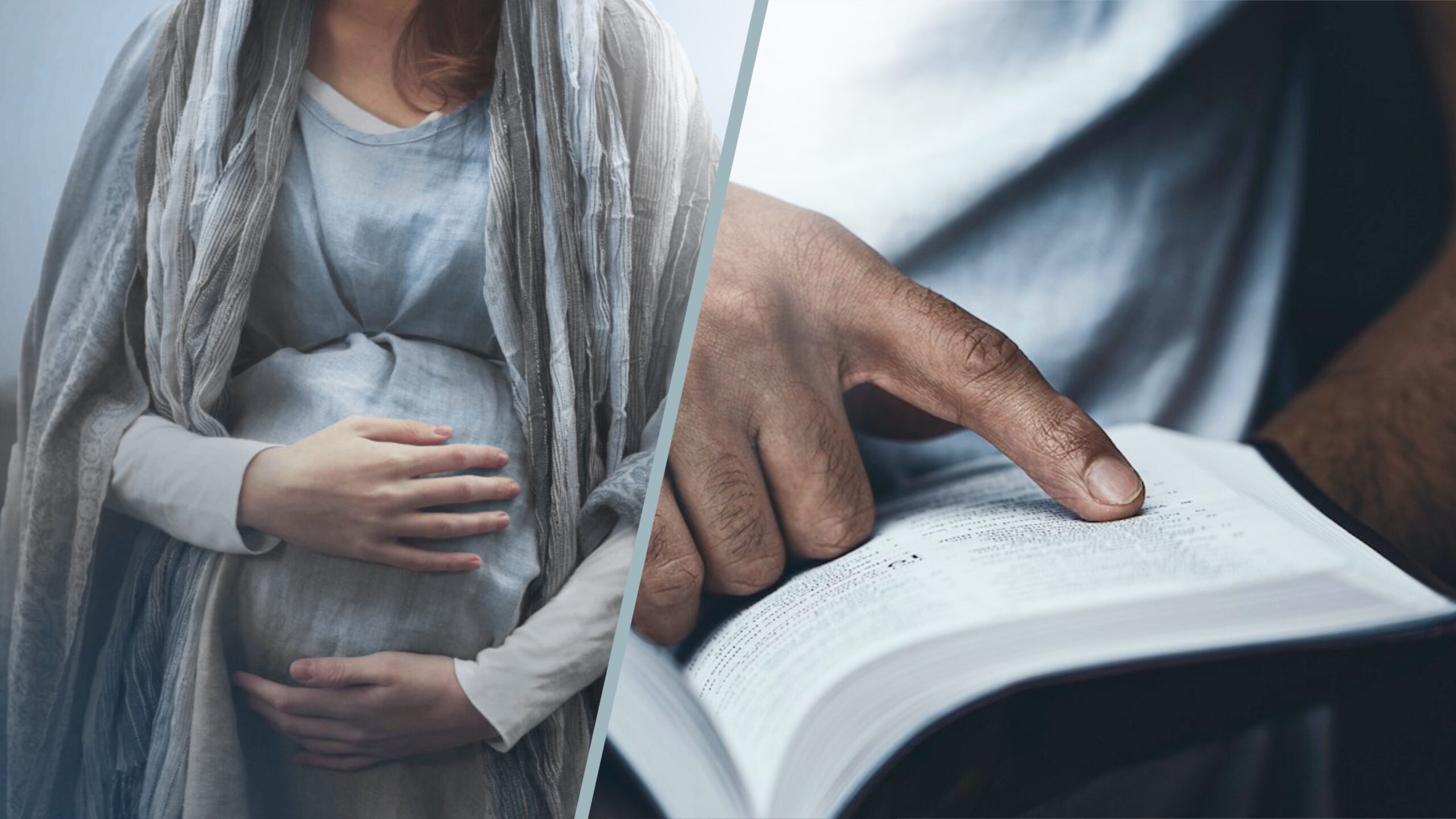
Over the years, I’ve pointed out that the first mention of the gospel occurs in Genesis 3:15, right after sin enters creation. As God is judging the serpent, he gives the serpent a prophecy—and what hope it must have given to Adam and Eve—that the Seed (offspring) of the woman was coming to crush (bruise) the serpent’s head: “I will put enmity between you and the woman, and between your offspring and her offspring; he shall bruise your head, and you shall bruise his heel.”

But the promise of the Messiah isn’t just found at the beginning of Genesis—it continues throughout the book. Actually, it continues throughout the entire Old Testament, as the overarching theme is “Humanity is sinful, but a Savior is coming.”

But returning to Genesis, fast-forward past the flood and Babel and consider God’s promise to Abraham, as God selects him to be the one from whose family line the Messiah will come: “And I will make of you a great nation, and I will bless you and make your name great, so that you will be a blessing” (Genesis 12:2).

This promise is then continued to Abraham’s promised son, Isaac: “Sarah your wife shall bear you a son, and you shall call his name Isaac. I will establish my covenant with him as an everlasting covenant for his offspring after him” (Genesis 17:19).

And to Isaac’s younger son, Jacob: “I am the Lord, the God of Abraham your father and the God of Isaac. The land on which you lie I will give to you and to your offspring. Your offspring shall be like the dust of the earth, and you shall spread abroad to the west and to the east and to the north and to the south, and in you and your offspring shall all the families of the earth be blessed. Behold, I am with you and will keep you wherever you go, and will bring you back to this land. For I will not leave you until I have done what I have promised you” (Genesis 28:13–15)

And Jacob’s son Judah: “The scepter shall not depart from Judah, nor the ruler’s staff from between his feet” (Genesis 49:10).

Now, you’ll notice as you read Genesis that none of these men were perfect. They all sinned grievously, and within the accounts of these four generations, we see instances where one or another of them lied, took concubines or extra wives, solicited a “prostitute,” deceived others, sold a brother into slavery, and more. God certainly doesn’t whitewash the sins of his people!

Clearly, none of them could be the “Seed of the woman” who would crush the serpent’s head. They were all flawed and sinful, failing to live up to God’s standard. It’s all a reminder that we can’t save ourselves! It’s God who, in his mercy, makes and keeps the promise of a Savior. Eventually, that promise was fulfilled (as we will celebrate tomorrow) in Jesus Christ, the God-man, through his life, death, and resurrection.

As you celebrate Christmas tomorrow, take time to reflect on the sinfulness, not just of mankind as a whole but of yourself, and to thank God that he did what you and I cannot—he sent the perfect Savior to “save his people from their sins” (Matthew 1:21).



Shifting Public Opinion: The Appeal Of Pride Month Appears To Be Fading

For years, June brought a predictable wave of corporate logos, advertising campaigns, themed merchandise, and public celebrations. Parents learned to pay closer attention to commercials in family programming, sports fans grew accustomed to Pride-themed uniforms and promotions, and many city streets became venues for often indecent displays at Pride parades. This year is noticeably different. The symbols are not gone, but they are far less prominent. It’s premature to say Pride has fallen, but it is fair to say the appeal of Pride Month has faded.

A Wake-Up Call: Report Finds That Australian Christians Are Opting For Silence Over Societal Pushback

Over the past few years, I have spoken with countless believers who feel increasingly hesitant to express their faith openly. Teachers are unsure what they can say in the classroom. Healthcare workers worry about the consequences of acting according to their conscience. Employees feel pressure to keep their beliefs private in the workplace. Parents are concerned about the values being promoted in schools and public institutions. Perhaps the most significant finding is not that Christians are facing challenges. Jesus told us to expect opposition. Rather, it is that many believers are quietly withdrawing from public life. They are self-censoring.

sign up

Jan Markell: Is Israel’s Spiritual Blindness A Reason For Christians To Reject Them?

Ezekiel 36 emphasizes that when the Jews return to the land, they will do so in unbelief. There will be spiritual regeneration much later! The dry bones of Ezekiel 37 reflect a lack of breath or spiritual life. God states he is gathering them back “not for your sake but for my holy name’s sake,” because their presence among the nations caused his name to be profaned. Ezekiel 36 promises that once back in the land, God will cleanse them, give them a new spirit, and cause them to walk in his statutes. But much later.

ABC's of Salvation

Decision

UTT

FOI

untitled artwork

Israel My Glory

Over the years, I’ve pointed out that the first mention of the gospel occurs in Genesis 3:15, right after sin enters creation. As God is judging the serpent, he gives the serpent a prophecy—and what hope it must have given to Adam and Eve—that the Seed (offspring) of the woman was coming to crush (bruise) the serpent’s head: “I will put enmity between you and the woman, and between your offspring and her offspring; he shall bruise your head, and you shall bruise his heel.”

But the promise of the Messiah isn’t just found at the beginning of Genesis—it continues throughout the book. Actually, it continues throughout the entire Old Testament, as the overarching theme is “Humanity is sinful, but a Savior is coming.”

But returning to Genesis, fast-forward past the flood and Babel and consider God’s promise to Abraham, as God selects him to be the one from whose family line the Messiah will come: “And I will make of you a great nation, and I will bless you and make your name great, so that you will be a blessing” (Genesis 12:2).

This promise is then continued to Abraham’s promised son, Isaac: “Sarah your wife shall bear you a son, and you shall call his name Isaac. I will establish my covenant with him as an everlasting covenant for his offspring after him” (Genesis 17:19).

And to Isaac’s younger son, Jacob: “I am the Lord, the God of Abraham your father and the God of Isaac. The land on which you lie I will give to you and to your offspring. Your offspring shall be like the dust of the earth, and you shall spread abroad to the west and to the east and to the north and to the south, and in you and your offspring shall all the families of the earth be blessed. Behold, I am with you and will keep you wherever you go, and will bring you back to this land. For I will not leave you until I have done what I have promised you” (Genesis 28:13–15)

And Jacob’s son Judah: “The scepter shall not depart from Judah, nor the ruler’s staff from between his feet” (Genesis 49:10).

Now, you’ll notice as you read Genesis that none of these men were perfect. They all sinned grievously, and within the accounts of these four generations, we see instances where one or another of them lied, took concubines or extra wives, solicited a “prostitute,” deceived others, sold a brother into slavery, and more. God certainly doesn’t whitewash the sins of his people!

Clearly, none of them could be the “Seed of the woman” who would crush the serpent’s head. They were all flawed and sinful, failing to live up to God’s standard. It’s all a reminder that we can’t save ourselves! It’s God who, in his mercy, makes and keeps the promise of a Savior. Eventually, that promise was fulfilled (as we will celebrate tomorrow) in Jesus Christ, the God-man, through his life, death, and resurrection.

As you celebrate Christmas tomorrow, take time to reflect on the sinfulness, not just of mankind as a whole but of yourself, and to thank God that he did what you and I cannot—he sent the perfect Savior to “save his people from their sins” (Matthew 1:21).

Trusted Analysis From A Biblical Worldview

Help reach the lost and equip the church with the living and active truth of God's Word in our world today.

YOU CARE ABOUT

BIBLICAL TRUTH. SO DO WE.


Together, We Can Deliver A Biblical Understanding

Of News Events Around The World.

Shifting Public Opinion: The Appeal Of Pride Month Appears To Be Fading

For years, June brought a predictable wave of corporate logos, advertising campaigns, themed merchandise, and public celebrations. Parents learned to pay closer attention to commercials in family programming, sports fans grew accustomed to Pride-themed uniforms and promotions, and many city streets became venues for often indecent displays at Pride parades. This year is noticeably different. The symbols are not gone, but they are far less prominent. It’s premature to say Pride has fallen, but it is fair to say the appeal of Pride Month has faded.

A Wake-Up Call: Report Finds That Australian Christians Are Opting For Silence Over Societal Pushback

Over the past few years, I have spoken with countless believers who feel increasingly hesitant to express their faith openly. Teachers are unsure what they can say in the classroom. Healthcare workers worry about the consequences of acting according to their conscience. Employees feel pressure to keep their beliefs private in the workplace. Parents are concerned about the values being promoted in schools and public institutions. Perhaps the most significant finding is not that Christians are facing challenges. Jesus told us to expect opposition. Rather, it is that many believers are quietly withdrawing from public life. They are self-censoring.

untitled artwork 6391

Jan Markell: Is Israel’s Spiritual Blindness A Reason For Christians To Reject Them?

Ezekiel 36 emphasizes that when the Jews return to the land, they will do so in unbelief. There will be spiritual regeneration much later! The dry bones of Ezekiel 37 reflect a lack of breath or spiritual life. God states he is gathering them back “not for your sake but for my holy name’s sake,” because their presence among the nations caused his name to be profaned. Ezekiel 36 promises that once back in the land, God will cleanse them, give them a new spirit, and cause them to walk in his statutes. But much later.

ABC's of Salvation

TV AD

worldview matters

Decision Magazine V AD

Decision

Jan Markell

Israel My Glory

Erick Stakelbeck

untitled artwork

YOU CARE ABOUT

BIBLICAL TRUTH.

SO DO WE.

Together, We Can Deliver A Biblical Understanding Of News Events Around The World And Equip The Church To Stand With A Biblical Worldview.

untitled artwork

Israel My Glory

YOU CARE ABOUT

BIBLICAL TRUTH.

SO DO WE.


Together, We Can Deliver A Biblical Understanding Of News Events Around The World And Equip The Church To Stand With A Biblical Worldview.