June 14, 2026

June, 14, 2026
June 14, 2026

give

untitled artwork

untitled artwork

World news biblically understood

TRENDING:

‘Christian’ Groups In The UK Call Britain To Apologize For Balfour Declaration

Thomas Fretwell

In recent years, Christian Zionism has become an increasingly controversial and misunderstood term in the United Kingdom. This article aims to provide a historical overview of Christian Zionism, tracing its roots, its influence on British political and religious life, and how contemporary attitudes towards Zionism and Israel have evolved, particularly following the events of October 7th.

Understanding Zionism and Christian Zionism

Zionism, as defined by the charitable Israeli education organization Stand With Us, represents “the Jewish peopleโ€™s unbreakable bond and age-old desire to be free in their ancestral home.” Politically, it is a movement supporting Jewish self-determination in the land of Israel. Though often viewed through a political lens, Zionism is rooted in centuries of Jewish longing for a return to their homeland, as expressed in biblical passages like Psalm 137 and Isaiah 62.

Christian Zionism, as defined by David Schmidt, is the belief among some Christians that the return of Jews to the Holy Land and the restoration of Israel aligns with biblical prophecy. This belief is grounded in the conviction that the Jewish people remain Godโ€™s chosen people and that the covenantal promises made to them are still valid and unfulfilled. It asserts that there is a future role for Israel in Godโ€™s plan, including both physical restoration and spiritual redemption.

Historical Roots of Christian Zionism in the UK

Christian Zionist thought in the UK predates modern political Zionism and can be traced back to the Reformation and Puritan periods. Early figures like Thomas Brightman (1562-1607) and Joseph Mede (1586-1638) articulated views supporting the restoration of Jews to their homeland. These beliefs gained traction among seventeenth-century Puritans such as John Owen, John Bunyan, and John Milton.

The nineteenth century marked the “golden age” of British Christian Zionism, characterized by significant cultural and political influence. Leading figures included the seventh Earl of Shaftesbury, Anthony Ashley Cooper (1801-1885), who used his political connections to advocate for Jewish restoration. Shaftesbury played a key role in establishing a British consulate in Jerusalem and supporting Jewish missions.

Another notable figure was William Hechler, a Christian Zionist who became an advisor and close friend to Theodore Herzl, the father of modern political Zionism. Hechler’s introductions to influential leaders were pivotal in advancing Herzl’s cause.

The Balfour Declaration and Its Legacy

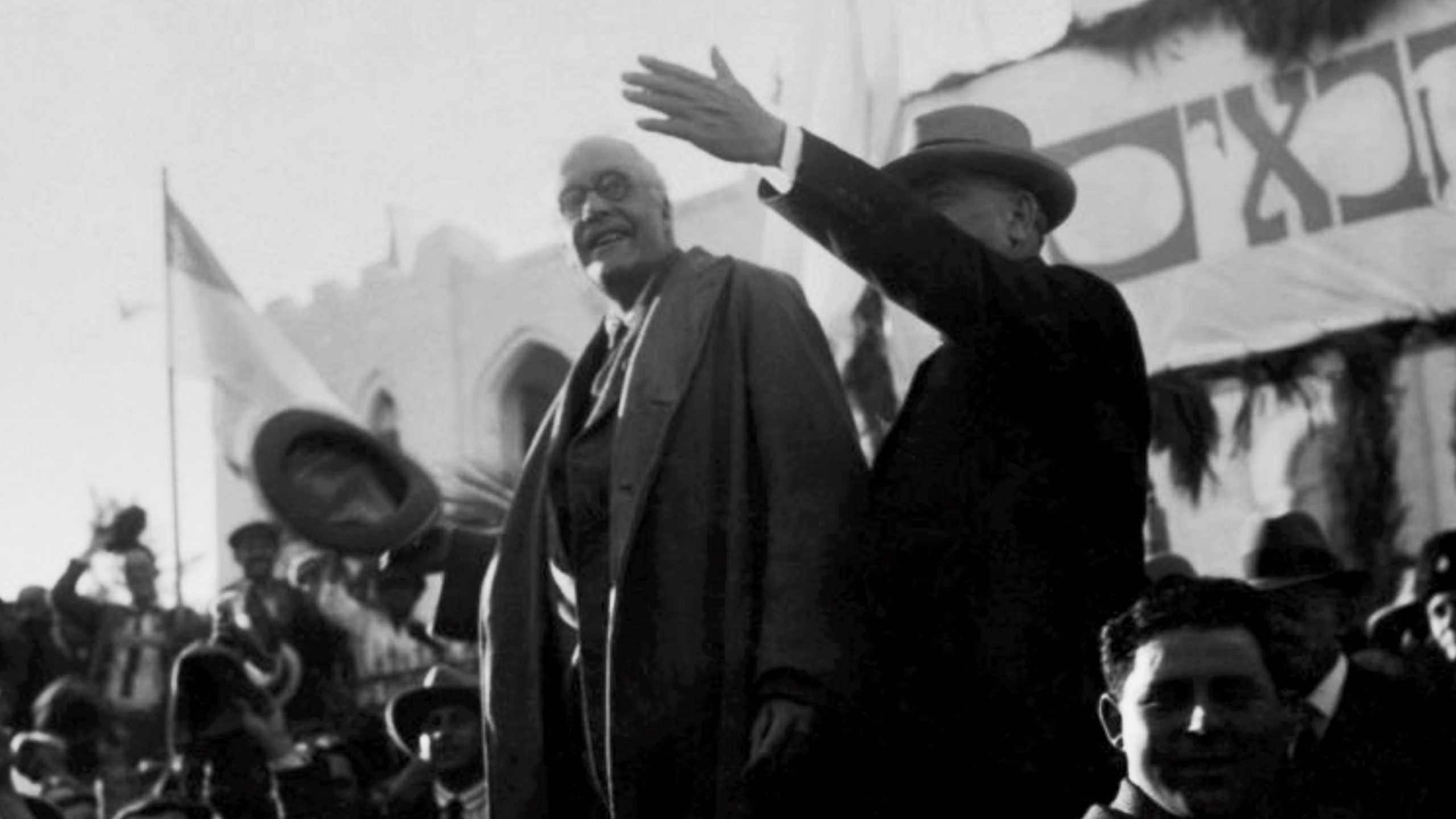
A turning point in Christian Zionist influence occurred during World War I. Chaim Weizmann, a chemist and leader of the World Zionist Organization, won the support of British leaders, including Prime Minister David Lloyd George and Foreign Secretary Arthur Balfour. This support culminated in the Balfour Declaration of 1917, which endorsed “the establishment in Palestine of a national home for the Jewish people.” This declaration directly influenced the creation of the State of Israel in 1948.

However, the British mandate over Palestine proved tumultuous as British authorities sought to mediate between Jewish and Arab populations. Restrictive immigration policies in 1938 limited Jewish refugees’ escape from Nazi Europe, exacerbating tensions. Following World War II, Britain handed over the mandate to the United Nations, leading to the 1947 partition plan and the eventual establishment of Israel in 1948.

Contemporary Challenges and Criticisms

In recent years, Christian Zionism has faced significant criticism from certain Christian circles. Critics like Naim Ateek of Sabeel describe it as “one of the most dangerous biblical distortions,” blaming Christian Zionists for supporting Israeli policies they view as oppressive. Prominent theologians such as John Stott and N.T. Wright have also denounced Christian Zionism, equating it with political and racial exclusivism.

Moreover, public discourse in the UK has become increasingly polarized. The Palestinian Return Centre and Christian groups like Kairos Britain have called for the UK to apologize for the Balfour Declaration, arguing that it led to Palestinian displacement. Acts of protest, such as defacing portraits of Balfour and stealing a bust of Chaim Weizmann, underscore the growing hostility toward Zionist history.

The Churchโ€™s Silence and the Need for Truth

Amid these debates, there is a growing concern that the Christian Church in the UK has remained largely silent. This silence reflects the influence of anti-Israel theology and cultural pressures. Yet, as the Apostle Paul emphasized in Acts 20:27, Christians are called to proclaim “the whole counsel of God,” which includes a biblical understanding of Israel’s role in God’s redemptive plan.

Conclusion

Christian Zionism in the UK is both a historical movement and a contemporary theological issue with profound political and cultural implications. As antisemitism rises and public discourse becomes more contentious, it is vital for Christians to engage with these topics from a biblical perspective, recognizing the enduring significance of Israel in God’s purposes. Understanding the roots of Christian Zionism helps clarify these issues and challenges the Church to speak truth in a time of increasing misinformation and hostility.



give

Israel Remains Blessed, Not Because The Nations Approve, But Because The Lord Has Spoken

In the book of Numbers, Balak, king of Moab, was terrified of Israel. He saw the Israelites not as a people under Godโ€™s care, but as a threat to be neutralized. Because he couldnโ€™t destroy Israel militarily, he sought out Balaamโ€”a hired pagan seer whom Balak believed could bend Godโ€™s will for a price. Balak wanted Israel cursed, and Balaam entertained the idea for personal gain. Many still line up to carry out Balakโ€™s bidding. They may dress their words in morality, theology, or altruism; but they still feed the ancient impulse to curse whom God has blessed.

The First Battlefield In A Cultural Revolution: Marxists Have Long Understood That Redefining Words Can Reshape The Culture

Political movements have long understood that language shapes culture. From the French Revolution to Marxist movements in Europe and Communist regimes in Asia, ideological leaders have sought to advance their agendas not only through political power but through linguistic change.

sign up

Jan Markell: Is Israel’s Spiritual Blindness A Reason For Christians To Reject Them?

Ezekiel 36 emphasizes that when the Jews return to the land, they will do so in unbelief. There will be spiritual regeneration much later! The dry bones of Ezekiel 37 reflect a lack of breath or spiritual life. God states he is gathering them back โ€œnot for your sake but for my holy nameโ€™s sake,โ€ because their presence among the nations caused his name to be profaned. Ezekiel 36 promises that once back in the land, God will cleanse them, give them a new spirit, and cause them to walk in his statutes. But much later.

ABC's of Salvation

Decision

UTT

FOI

untitled artwork

Israel My Glory

Thomas Fretwell

In recent years, Christian Zionism has become an increasingly controversial and misunderstood term in the United Kingdom. This article aims to provide a historical overview of Christian Zionism, tracing its roots, its influence on British political and religious life, and how contemporary attitudes towards Zionism and Israel have evolved, particularly following the events of October 7th.

Understanding Zionism and Christian Zionism

Zionism, as defined by the charitable Israeli education organization Stand With Us, represents “the Jewish peopleโ€™s unbreakable bond and age-old desire to be free in their ancestral home.” Politically, it is a movement supporting Jewish self-determination in the land of Israel. Though often viewed through a political lens, Zionism is rooted in centuries of Jewish longing for a return to their homeland, as expressed in biblical passages like Psalm 137 and Isaiah 62.

Christian Zionism, as defined by David Schmidt, is the belief among some Christians that the return of Jews to the Holy Land and the restoration of Israel aligns with biblical prophecy. This belief is grounded in the conviction that the Jewish people remain Godโ€™s chosen people and that the covenantal promises made to them are still valid and unfulfilled. It asserts that there is a future role for Israel in Godโ€™s plan, including both physical restoration and spiritual redemption.

Historical Roots of Christian Zionism in the UK

Christian Zionist thought in the UK predates modern political Zionism and can be traced back to the Reformation and Puritan periods. Early figures like Thomas Brightman (1562-1607) and Joseph Mede (1586-1638) articulated views supporting the restoration of Jews to their homeland. These beliefs gained traction among seventeenth-century Puritans such as John Owen, John Bunyan, and John Milton.

The nineteenth century marked the “golden age” of British Christian Zionism, characterized by significant cultural and political influence. Leading figures included the seventh Earl of Shaftesbury, Anthony Ashley Cooper (1801-1885), who used his political connections to advocate for Jewish restoration. Shaftesbury played a key role in establishing a British consulate in Jerusalem and supporting Jewish missions.

Another notable figure was William Hechler, a Christian Zionist who became an advisor and close friend to Theodore Herzl, the father of modern political Zionism. Hechler’s introductions to influential leaders were pivotal in advancing Herzl’s cause.

The Balfour Declaration and Its Legacy

A turning point in Christian Zionist influence occurred during World War I. Chaim Weizmann, a chemist and leader of the World Zionist Organization, won the support of British leaders, including Prime Minister David Lloyd George and Foreign Secretary Arthur Balfour. This support culminated in the Balfour Declaration of 1917, which endorsed “the establishment in Palestine of a national home for the Jewish people.” This declaration directly influenced the creation of the State of Israel in 1948.

However, the British mandate over Palestine proved tumultuous as British authorities sought to mediate between Jewish and Arab populations. Restrictive immigration policies in 1938 limited Jewish refugees’ escape from Nazi Europe, exacerbating tensions. Following World War II, Britain handed over the mandate to the United Nations, leading to the 1947 partition plan and the eventual establishment of Israel in 1948.

Contemporary Challenges and Criticisms

In recent years, Christian Zionism has faced significant criticism from certain Christian circles. Critics like Naim Ateek of Sabeel describe it as “one of the most dangerous biblical distortions,” blaming Christian Zionists for supporting Israeli policies they view as oppressive. Prominent theologians such as John Stott and N.T. Wright have also denounced Christian Zionism, equating it with political and racial exclusivism.

Moreover, public discourse in the UK has become increasingly polarized. The Palestinian Return Centre and Christian groups like Kairos Britain have called for the UK to apologize for the Balfour Declaration, arguing that it led to Palestinian displacement. Acts of protest, such as defacing portraits of Balfour and stealing a bust of Chaim Weizmann, underscore the growing hostility toward Zionist history.

The Churchโ€™s Silence and the Need for Truth

Amid these debates, there is a growing concern that the Christian Church in the UK has remained largely silent. This silence reflects the influence of anti-Israel theology and cultural pressures. Yet, as the Apostle Paul emphasized in Acts 20:27, Christians are called to proclaim “the whole counsel of God,” which includes a biblical understanding of Israel’s role in God’s redemptive plan.

Conclusion

Christian Zionism in the UK is both a historical movement and a contemporary theological issue with profound political and cultural implications. As antisemitism rises and public discourse becomes more contentious, it is vital for Christians to engage with these topics from a biblical perspective, recognizing the enduring significance of Israel in God’s purposes. Understanding the roots of Christian Zionism helps clarify these issues and challenges the Church to speak truth in a time of increasing misinformation and hostility.

Trusted Analysis From A Biblical Worldview

Help reach the lost and equip the church with the living and active truth of God's Word in our world today.

YOU CARE ABOUT

BIBLICAL TRUTH. SO DO WE.

ย 

Together, We Can Deliver A Biblical Understanding

Of News Events Around The World.

Israel Remains Blessed, Not Because The Nations Approve, But Because The Lord Has Spoken

In the book of Numbers, Balak, king of Moab, was terrified of Israel. He saw the Israelites not as a people under Godโ€™s care, but as a threat to be neutralized. Because he couldnโ€™t destroy Israel militarily, he sought out Balaamโ€”a hired pagan seer whom Balak believed could bend Godโ€™s will for a price. Balak wanted Israel cursed, and Balaam entertained the idea for personal gain. Many still line up to carry out Balakโ€™s bidding. They may dress their words in morality, theology, or altruism; but they still feed the ancient impulse to curse whom God has blessed.

The First Battlefield In A Cultural Revolution: Marxists Have Long Understood That Redefining Words Can Reshape The Culture

Political movements have long understood that language shapes culture. From the French Revolution to Marxist movements in Europe and Communist regimes in Asia, ideological leaders have sought to advance their agendas not only through political power but through linguistic change.

untitled artwork 6391

Jan Markell: Is Israel’s Spiritual Blindness A Reason For Christians To Reject Them?

Ezekiel 36 emphasizes that when the Jews return to the land, they will do so in unbelief. There will be spiritual regeneration much later! The dry bones of Ezekiel 37 reflect a lack of breath or spiritual life. God states he is gathering them back โ€œnot for your sake but for my holy nameโ€™s sake,โ€ because their presence among the nations caused his name to be profaned. Ezekiel 36 promises that once back in the land, God will cleanse them, give them a new spirit, and cause them to walk in his statutes. But much later.

ABC's of Salvation

TV AD

worldview matters

Decision Magazine V AD

Decision

Jan Markell

Israel My Glory

Erick Stakelbeck

untitled artwork

YOU CARE ABOUT

BIBLICAL TRUTH.

SO DO WE.

Together, We Can Deliver A Biblical Understanding Of News Events Around The World And Equip The Church To Stand With A Biblical Worldview.

untitled artwork

Israel My Glory

YOU CARE ABOUT

BIBLICAL TRUTH.

SO DO WE.

ย 

Together, We Can Deliver A Biblical Understanding Of News Events Around The World And Equip The Church To Stand With A Biblical Worldview.