





November 3, 2026

November, 3, 2026
November 3, 2026

give

untitled artwork

untitled artwork

World news biblically understood

TRENDING:

Accountable To God: One Of Christianity’s Most Offensive And Important Teachings

Greg Laurie

The idea of divine judgment is probably one of Christianity’s most offensive teachings. I think this is because there’s a lot of misinformation about Hell and the Devil.

For example, some like to think that Hell is a continuous party place. Another false assumption is that the Devil lives in Hell and has red skin, horns, hooves, and a pitchfork.

But none of that is biblical. The Bible describes the Devil as the commander of the powers in the unseen world, the spirit at work in the hearts of those who refuse to obey God (Ephesians 2:2). He’s not in Hell now, but he’s going there one day.

Because of Christianity’s biblical teaching on Hell, some atheists have criticized our faith and said that it’s at the root of a lot of the world’s problems. They claim that people, because they believe this, do horrible things in the name of religion.

Actually, history directly contradicts that assertion. History shows us that a lack of belief in God and in the afterlife is at the root of many atrocities.

If the atheistic Joseph Stalin really believed that he would be accountable to God and face Him one day, do you think he would have been as cruel as he was? Would Mao Tse-tung and other atheistic mass murderers have done the things they did if they believed they would face a final judgment? If Hitler believed in a future judgment, would he have murdered six million Jewish people?

Timothy Keller points out, “It is the lack of belief in a God of vengeance that ‘secretly nourishes violence.’” So, we can view a belief in Hell as a constraint on cruelty.

Belief in the afterlife affects us in this life as well as the next one. And it should motivate us to live godly lives.

That’s not to say that there will not be good people in Hell. That’s a sobering thought, isn’t it? Of course, when I say “good” people, I mean people who trusted in their own human efforts, people who trusted in their own personal reality, people who trusted in the religious things they did. Eternal life is possible only because of God’s mercy and grace. He sent His Son to die in our place—not because we’re good people, but because He loves us, even though we’re helpless sinners.

Why Christians Have A Biblical Responsibility To Participate In The Political Process

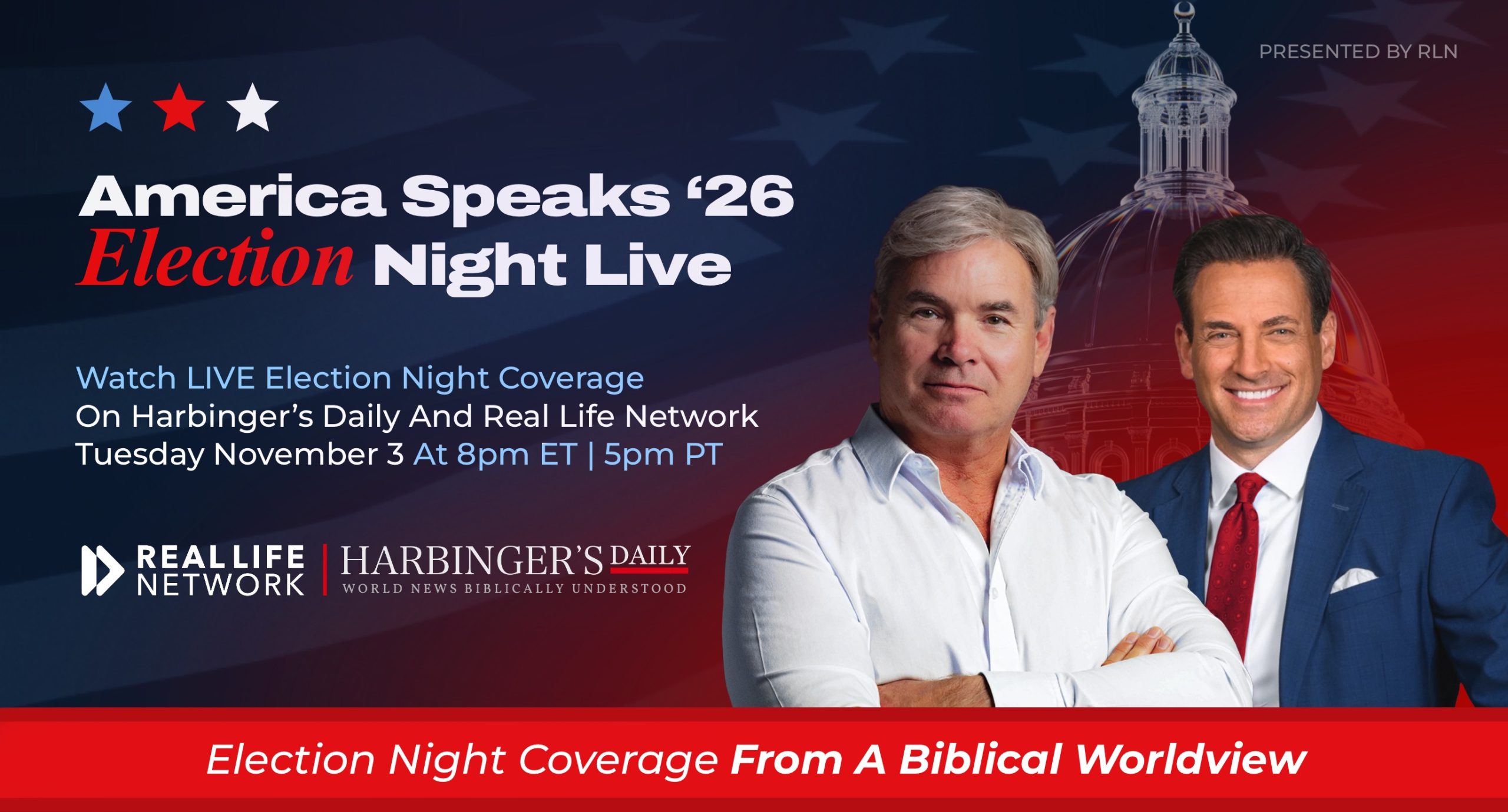
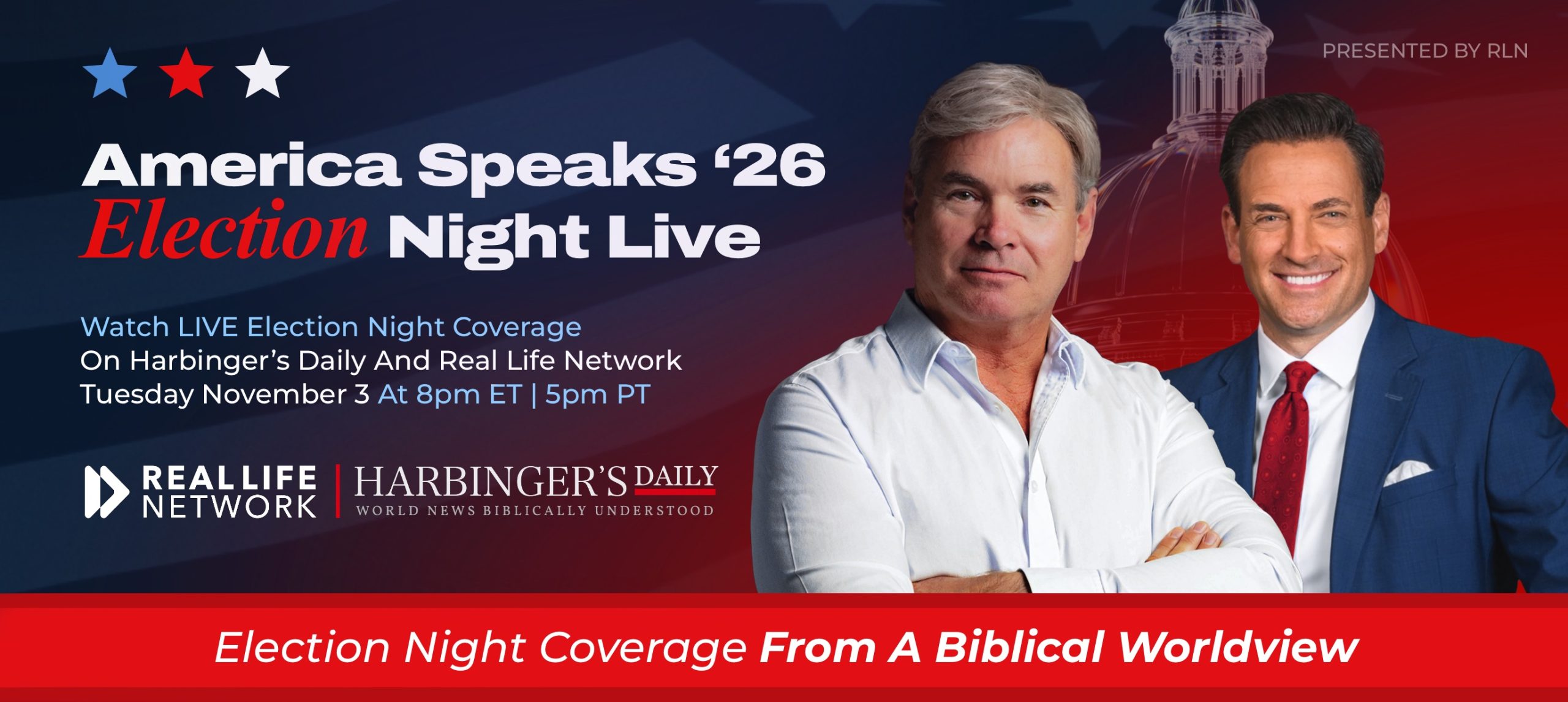
With the 2026 midterm elections just days away, millions of Americans are preparing to cast their ballots in an election that will have significant implications for the nation’s future. With control of Congress hanging in the balance, voters will help determine the legislative agenda and political trajectory of the next two years. For Christians, the election raises questions that go beyond political parties, candidates, and policy preferences. Is voting merely a civic privilege, or does Scripture provide a theological framework for understanding it as an act of stewardship and love of neighbor? And what role should pastors and churches play in equipping believers to exercise this responsibility faithfully? As Americans prepare to head to the polls next Tuesday, these questions invite us to consider a more fundamental issue: whether Christians have a Biblical responsibility to participate in the political process.

A Barbaric Death Penalty: Politicians, Doctors, The Abortion Industry, And The Media Have Lied To Mothers

Sadly, the abortion industry continues to either deny the level of pain inflicted upon the preborn or bury the evidence by introducing “expert” reports that contain deliberately vague language which seeks to assure mothers that abortion does not cross any moral barriers. Although a consensus on the impact of pain on the preborn would be a positive step in educating the public, the reality is that pain tolerance does not excuse the injustice perpetrated in abortion clinics.

sign up

The Church Cannot Remain Silent On Biblical Matters Because They Have Been Declared ‘Political’

Jesus called His followers the salt of the earth and the light of the world. Neither image suggests withdrawal. Both describe engagement that makes a difference. So the issue is not whether the church should become political. It is whether Christians will remain biblical when biblical truth has political consequences. Our calling is neither to become the mouthpiece of a party nor to retreat into silence. It is to stand on God’s word, defend what is right, confront what is wrong, and speak with courage — even when the culture would rather we remain silent.

ABC's of Salvation

Decision

christ in prophecy

christ in prophecy

Decision

untitled artwork

Israel My Glory

Greg Laurie

The idea of divine judgment is probably one of Christianity’s most offensive teachings. I think this is because there’s a lot of misinformation about Hell and the Devil.

For example, some like to think that Hell is a continuous party place. Another false assumption is that the Devil lives in Hell and has red skin, horns, hooves, and a pitchfork.

But none of that is biblical. The Bible describes the Devil as the commander of the powers in the unseen world, the spirit at work in the hearts of those who refuse to obey God (Ephesians 2:2). He’s not in Hell now, but he’s going there one day.

Because of Christianity’s biblical teaching on Hell, some atheists have criticized our faith and said that it’s at the root of a lot of the world’s problems. They claim that people, because they believe this, do horrible things in the name of religion.

Actually, history directly contradicts that assertion. History shows us that a lack of belief in God and in the afterlife is at the root of many atrocities.

If the atheistic Joseph Stalin really believed that he would be accountable to God and face Him one day, do you think he would have been as cruel as he was? Would Mao Tse-tung and other atheistic mass murderers have done the things they did if they believed they would face a final judgment? If Hitler believed in a future judgment, would he have murdered six million Jewish people?

Timothy Keller points out, “It is the lack of belief in a God of vengeance that ‘secretly nourishes violence.’” So, we can view a belief in Hell as a constraint on cruelty.

Belief in the afterlife affects us in this life as well as the next one. And it should motivate us to live godly lives.

That’s not to say that there will not be good people in Hell. That’s a sobering thought, isn’t it? Of course, when I say “good” people, I mean people who trusted in their own human efforts, people who trusted in their own personal reality, people who trusted in the religious things they did. Eternal life is possible only because of God’s mercy and grace. He sent His Son to die in our place—not because we’re good people, but because He loves us, even though we’re helpless sinners.


Trusted Analysis From A Biblical Worldview

Help reach the lost and equip the church with the living and active truth of God's Word in our world today.

YOU CARE ABOUT

BIBLICAL TRUTH. SO DO WE.


Together, We Can Deliver A Biblical Understanding

Of News Events Around The World.

Why Christians Have A Biblical Responsibility To Participate In The Political Process

With the 2026 midterm elections just days away, millions of Americans are preparing to cast their ballots in an election that will have significant implications for the nation’s future. With control of Congress hanging in the balance, voters will help determine the legislative agenda and political trajectory of the next two years. For Christians, the election raises questions that go beyond political parties, candidates, and policy preferences. Is voting merely a civic privilege, or does Scripture provide a theological framework for understanding it as an act of stewardship and love of neighbor? And what role should pastors and churches play in equipping believers to exercise this responsibility faithfully? As Americans prepare to head to the polls next Tuesday, these questions invite us to consider a more fundamental issue: whether Christians have a Biblical responsibility to participate in the political process.

A Barbaric Death Penalty: Politicians, Doctors, The Abortion Industry, And The Media Have Lied To Mothers

Sadly, the abortion industry continues to either deny the level of pain inflicted upon the preborn or bury the evidence by introducing “expert” reports that contain deliberately vague language which seeks to assure mothers that abortion does not cross any moral barriers. Although a consensus on the impact of pain on the preborn would be a positive step in educating the public, the reality is that pain tolerance does not excuse the injustice perpetrated in abortion clinics.

untitled artwork 6391

The Church Cannot Remain Silent On Biblical Matters Because They Have Been Declared ‘Political’

Jesus called His followers the salt of the earth and the light of the world. Neither image suggests withdrawal. Both describe engagement that makes a difference. So the issue is not whether the church should become political. It is whether Christians will remain biblical when biblical truth has political consequences. Our calling is neither to become the mouthpiece of a party nor to retreat into silence. It is to stand on God’s word, defend what is right, confront what is wrong, and speak with courage — even when the culture would rather we remain silent.

ABC's of Salvation

TV AD

worldview matters

Decision Magazine V AD

Decision

Jan Markell

Israel My Glory

Erick Stakelbeck

untitled artwork

YOU CARE ABOUT

BIBLICAL TRUTH.

SO DO WE.

Together, We Can Deliver A Biblical Understanding Of News Events Around The World And Equip The Church To Stand With A Biblical Worldview.

untitled artwork

Israel My Glory

YOU CARE ABOUT

BIBLICAL TRUTH.

SO DO WE.


Together, We Can Deliver A Biblical Understanding Of News Events Around The World And Equip The Church To Stand With A Biblical Worldview.