April 25, 2026

April, 25, 2026
April 25, 2026

give

untitled artwork

untitled artwork

World news biblically understood

TRENDING:

How Europe Went From Having A Thriving Jewish Community To Being A Hotbed Of Antisemitic Terrorism

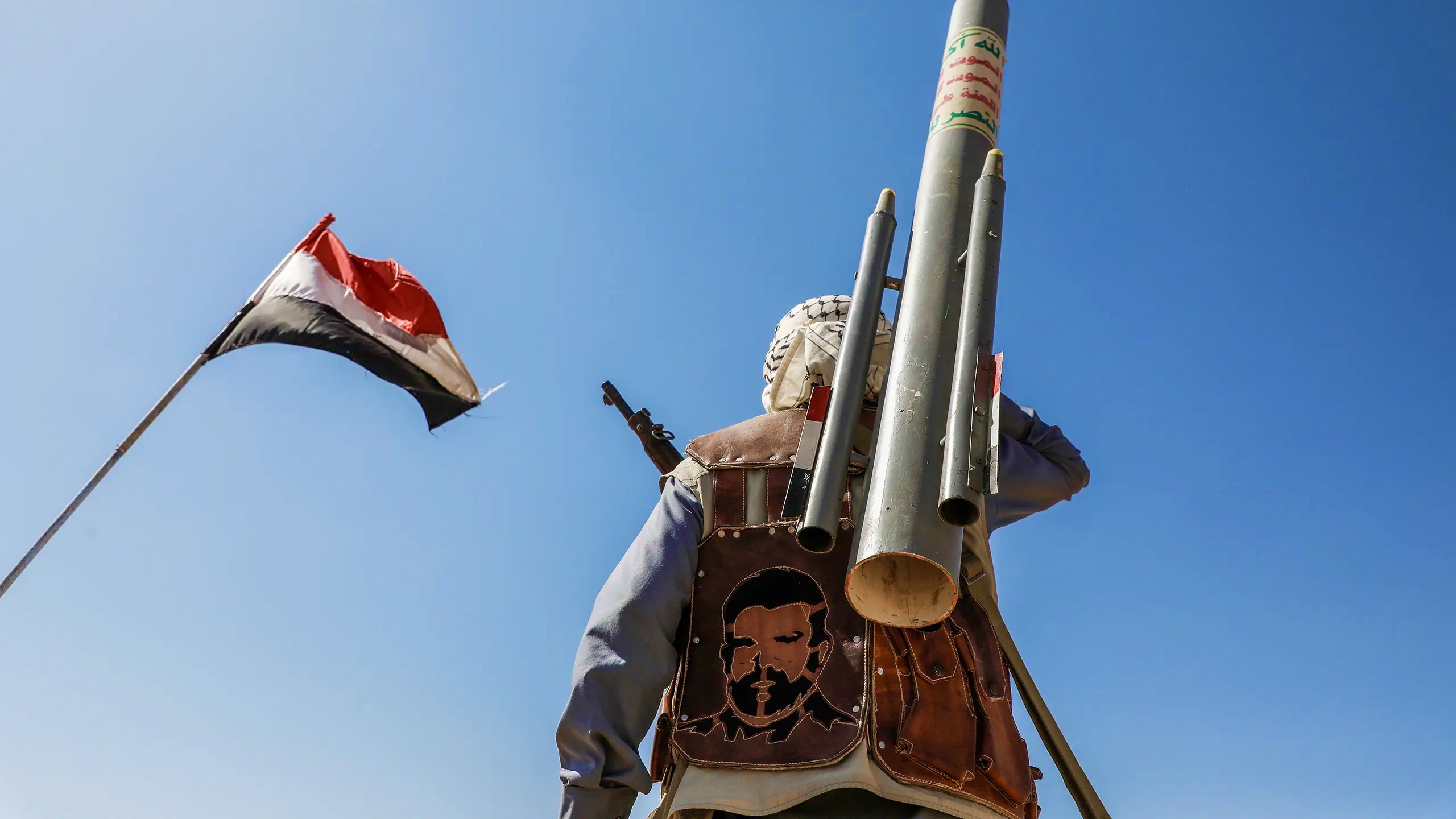
Prior to 2023, few Westerners probably heard much about the Houthisโ€”or the country of Yemen. About 25% larger than California, Yemen occupies the southwestern tip of the Arabian Peninsula and is bordered by Saudi Arabia, Oman, the Red Sea, and the Arabian Sea. It is 1,500 miles from Israel but has been the launching site of more than 220 ballistic missiles, cruise missiles, and drones aimed at the Jewish state since Hamas attacked Israel on October 7, 2023.

This ongoing hostility stands in stark contrast to the centuries-old Jewish presence that once flourished in this country.

The Jews of Yemen once maintained a rich and distinctive religious tradition. Their long-standing community is believed to have existed since biblical times, with the region referenced in several ancient Jewish writings. According to one legend, King Solomon dispatched a delegation of Jews to southern Arabia after the Queen of Sheba visited him in Israel. Some say he sent traders to Yemen to find gold and silver to build the Temple in Jerusalem.

Historical evidence indicates that the Jewish migration into Yemen likely began in the early 2nd century AD and that the community prospered until the 6th century.

Growing Persecution Under Muslim Rule

After the Islamic conquest of Yemen in the 7th century, the Jewish populationโ€™s situation gradually deteriorated. While Jews initially were allowed to practice their faith, their freedom and social standing steadily declined over the centuries. Restrictions were imposed on their professions, dress, and religious practices; and they were designated as dhimmis, non-Muslims living under protection but subject to special taxes and legal limitations.

Periods of relative tolerance alternated with waves of persecution, forced conversions, and expulsions, marking a long decline in the autonomy and security that Yemenite Jews had previously enjoyed.

At the start of the 19th century, Yemenโ€™s Jewish population was estimated at around 30,000 and was concentrated mainly in Sanaa (10,000), with smaller Jewish communities in Aden, Sada, Dhamar, and the desert region of Beda.

The Exodus

After the United Nations voted in 1947 to partition Palestine and establish a Jewish state, anti-Jewish violence broke out in Yemen. In Aden, Arab Muslimsโ€”supported by the local policeโ€”rioted, killing 82 Jews and destroying hundreds of homes. The attacks devastated the community financially and emotionally, leaving Yemenโ€™s Jews increasingly fearful for their future.

These tensions accelerated a process that began decades earlier. Following the opening of the Suez Canal in 1869, traveling became easier, prompting Jewish people from Yemen to emigrate to Palestine. Around 10% of the Jewish population relocated at that time, settling in Jerusalem, Jaffa, and other agricultural colonies.

In 1922, as the Yemeni government grew harsher, additional families sought to emigrate. Ultimately, the combination of persecution and worsening living conditions led to the mass departure of Yemenโ€™s Jews between June 1949 and September 1950 in Operation Magic Carpet. During this historic rescue, approximately 50,000 Jewish people were airlifted to Israel, an event that many saw as a vivid reminder of Isaiah 60:8, โ€œWho are these who fly like a cloud, and like doves to their roosts?โ€ and Exodus 19:4, โ€œI bore you on eaglesโ€™ wings and brought you to Myself.โ€

For the Yemenite Jews, these verses gave sacred meaning to their journey, symbolizing deliverance and the renewal of one of the worldโ€™s oldest Jewish communities.

Yemen and Israel Today

In the decades following Operation Magic Carpet, Yemenโ€™s relationship with the modern State of Israel worsened. The absence of a Jewish community removed any bridge for cultural or diplomatic contact, and successive Yemeni governments aligned themselves with broader Arab opposition to Israel. This stance deepened after the 1967 Six-Day War, as Yemen expressed solidarity with the Arab cause and maintained no formal relations with Israel.

In the 21st century, this hostility intensified with the rise of the Houthi movementโ€”a militant group originating from northern Yemen that follows the Zaydi branch of Shia Islam and receives backing from Iran.

The Houthis have been fighting Yemenโ€™s Sunni-majority since 2004 and now control much of the country, including the capital city, Sanaa. The group is widely recognized for its revolutionary slogan โ€œGod is great, Death to America, Death to Israel, Curse on the Jews, Victory to Islam,โ€ which encapsulates its ideological hostility toward Israel and the West. In recent speeches, Houthi leader Abdul-Malik al-Houthi declared that the region โ€œcannot witness stability, security or peace as long as the enemy โ€˜Israelโ€™ occupies Palestine.โ€

Although most of the projectiles the Houthis have fired at Israel have been intercepted by Israeli or allied defense systems, the Houthisโ€™ persistent attacks reflect a broader regional campaign by Iranian-aligned factions to pressure Israel both militarily and politically.

This ongoing hostility serves as a striking reminder of how the regionโ€™s relationship with the Jewish people and the State of Israel has changed and how the Lord continues to protect His Chosen People despite all those who would destroy them.



Give

Give

White House Correspondents’ Dinner Gunman Apprehended; Trump: This Is Not The First Time Our Republic Has Been Attacked By A Would-Be Assassin

Greg Laurie, Pastor of Harvest Riverside, reacted to the incident, writing: "This serves as a sobering reminder of the tense and uncertain times we are living in. Acts of extreme violence and threats have become far too common, and itโ€™s deeply concerning for our nation. It was only months ago that Charlie Kirk was assassinated. We should be praying for the safety of our president, our elected officials, and for the well-being, peace, and unity of our country."

The Modern State Of Israel Tests The Churchโ€™s Commitment To Biblical Truth

Over the last 1,500 years, anti-Semitism in the name of Christ has inflicted much pain and suffering on the Jewish people. And the church wonders why so many Jews distrust the church and reject Jesus. We are in a battle for biblical truth. Does the church accept Godโ€™s Word and live by itโ€”including the Jewish Scriptures and the admonition to bless Israelโ€”or does it not?

sign up

Abandoning The Duty Of A Shepherd: Should Pastors Speak About Politics From The Pulpit?

When a pastor preaches about what God has to say in His Word about gender, intimacy and marriage, sanctity of life, parental authority, stewardship of resources whether personal or societal, defending oneโ€™s family, threats of false doctrines and religions, etc., they are not being โ€œpoliticalโ€ but Biblical. Speaking on such topics does not imply that a pastor has an agenda; it simply means they are faithfully fulfilling their duty to proclaim the truth on such matters which God has laid out in His Word.

ABC's of Salvation

Decision

UTT

FOI

untitled artwork

Israel My Glory

Prior to 2023, few Westerners probably heard much about the Houthisโ€”or the country of Yemen. About 25% larger than California, Yemen occupies the southwestern tip of the Arabian Peninsula and is bordered by Saudi Arabia, Oman, the Red Sea, and the Arabian Sea. It is 1,500 miles from Israel but has been the launching site of more than 220 ballistic missiles, cruise missiles, and drones aimed at the Jewish state since Hamas attacked Israel on October 7, 2023.

This ongoing hostility stands in stark contrast to the centuries-old Jewish presence that once flourished in this country.

The Jews of Yemen once maintained a rich and distinctive religious tradition. Their long-standing community is believed to have existed since biblical times, with the region referenced in several ancient Jewish writings. According to one legend, King Solomon dispatched a delegation of Jews to southern Arabia after the Queen of Sheba visited him in Israel. Some say he sent traders to Yemen to find gold and silver to build the Temple in Jerusalem.

Historical evidence indicates that the Jewish migration into Yemen likely began in the early 2nd century AD and that the community prospered until the 6th century.

Growing Persecution Under Muslim Rule

After the Islamic conquest of Yemen in the 7th century, the Jewish populationโ€™s situation gradually deteriorated. While Jews initially were allowed to practice their faith, their freedom and social standing steadily declined over the centuries. Restrictions were imposed on their professions, dress, and religious practices; and they were designated as dhimmis, non-Muslims living under protection but subject to special taxes and legal limitations.

Periods of relative tolerance alternated with waves of persecution, forced conversions, and expulsions, marking a long decline in the autonomy and security that Yemenite Jews had previously enjoyed.

At the start of the 19th century, Yemenโ€™s Jewish population was estimated at around 30,000 and was concentrated mainly in Sanaa (10,000), with smaller Jewish communities in Aden, Sada, Dhamar, and the desert region of Beda.

The Exodus

After the United Nations voted in 1947 to partition Palestine and establish a Jewish state, anti-Jewish violence broke out in Yemen. In Aden, Arab Muslimsโ€”supported by the local policeโ€”rioted, killing 82 Jews and destroying hundreds of homes. The attacks devastated the community financially and emotionally, leaving Yemenโ€™s Jews increasingly fearful for their future.

These tensions accelerated a process that began decades earlier. Following the opening of the Suez Canal in 1869, traveling became easier, prompting Jewish people from Yemen to emigrate to Palestine. Around 10% of the Jewish population relocated at that time, settling in Jerusalem, Jaffa, and other agricultural colonies.

In 1922, as the Yemeni government grew harsher, additional families sought to emigrate. Ultimately, the combination of persecution and worsening living conditions led to the mass departure of Yemenโ€™s Jews between June 1949 and September 1950 in Operation Magic Carpet. During this historic rescue, approximately 50,000 Jewish people were airlifted to Israel, an event that many saw as a vivid reminder of Isaiah 60:8, โ€œWho are these who fly like a cloud, and like doves to their roosts?โ€ and Exodus 19:4, โ€œI bore you on eaglesโ€™ wings and brought you to Myself.โ€

For the Yemenite Jews, these verses gave sacred meaning to their journey, symbolizing deliverance and the renewal of one of the worldโ€™s oldest Jewish communities.

Yemen and Israel Today

In the decades following Operation Magic Carpet, Yemenโ€™s relationship with the modern State of Israel worsened. The absence of a Jewish community removed any bridge for cultural or diplomatic contact, and successive Yemeni governments aligned themselves with broader Arab opposition to Israel. This stance deepened after the 1967 Six-Day War, as Yemen expressed solidarity with the Arab cause and maintained no formal relations with Israel.

In the 21st century, this hostility intensified with the rise of the Houthi movementโ€”a militant group originating from northern Yemen that follows the Zaydi branch of Shia Islam and receives backing from Iran.

The Houthis have been fighting Yemenโ€™s Sunni-majority since 2004 and now control much of the country, including the capital city, Sanaa. The group is widely recognized for its revolutionary slogan โ€œGod is great, Death to America, Death to Israel, Curse on the Jews, Victory to Islam,โ€ which encapsulates its ideological hostility toward Israel and the West. In recent speeches, Houthi leader Abdul-Malik al-Houthi declared that the region โ€œcannot witness stability, security or peace as long as the enemy โ€˜Israelโ€™ occupies Palestine.โ€

Although most of the projectiles the Houthis have fired at Israel have been intercepted by Israeli or allied defense systems, the Houthisโ€™ persistent attacks reflect a broader regional campaign by Iranian-aligned factions to pressure Israel both militarily and politically.

This ongoing hostility serves as a striking reminder of how the regionโ€™s relationship with the Jewish people and the State of Israel has changed and how the Lord continues to protect His Chosen People despite all those who would destroy them.


Trusted Analysis From A Biblical Worldview

Help reach the lost and equip the church with the living and active truth of God's Word in our world today.

YOU CARE ABOUT

BIBLICAL TRUTH. SO DO WE.

ย 

Together, We Can Deliver A Biblical Understanding

Of News Events Around The World.

White House Correspondents’ Dinner Gunman Apprehended; Trump: This Is Not The First Time Our Republic Has Been Attacked By A Would-Be Assassin

Greg Laurie, Pastor of Harvest Riverside, reacted to the incident, writing: "This serves as a sobering reminder of the tense and uncertain times we are living in. Acts of extreme violence and threats have become far too common, and itโ€™s deeply concerning for our nation. It was only months ago that Charlie Kirk was assassinated. We should be praying for the safety of our president, our elected officials, and for the well-being, peace, and unity of our country."

The Modern State Of Israel Tests The Churchโ€™s Commitment To Biblical Truth

Over the last 1,500 years, anti-Semitism in the name of Christ has inflicted much pain and suffering on the Jewish people. And the church wonders why so many Jews distrust the church and reject Jesus. We are in a battle for biblical truth. Does the church accept Godโ€™s Word and live by itโ€”including the Jewish Scriptures and the admonition to bless Israelโ€”or does it not?

untitled artwork 6391

Abandoning The Duty Of A Shepherd: Should Pastors Speak About Politics From The Pulpit?

When a pastor preaches about what God has to say in His Word about gender, intimacy and marriage, sanctity of life, parental authority, stewardship of resources whether personal or societal, defending oneโ€™s family, threats of false doctrines and religions, etc., they are not being โ€œpoliticalโ€ but Biblical. Speaking on such topics does not imply that a pastor has an agenda; it simply means they are faithfully fulfilling their duty to proclaim the truth on such matters which God has laid out in His Word.

ABC's of Salvation

TV AD

worldview matters

Decision Magazine V AD

Decision

Jan Markell

Israel My Glory

Erick Stakelbeck

untitled artwork

YOU CARE ABOUT

BIBLICAL TRUTH.

SO DO WE.

Together, We Can Deliver A Biblical Understanding Of News Events Around The World And Equip The Church To Stand With A Biblical Worldview.

untitled artwork

Israel My Glory

YOU CARE ABOUT

BIBLICAL TRUTH.

SO DO WE.

ย 

Together, We Can Deliver A Biblical Understanding Of News Events Around The World And Equip The Church To Stand With A Biblical Worldview.