give

June 7, 2026

June, 7, 2026
June 7, 2026

give

untitled artwork

untitled artwork

World news biblically understood

TRENDING:

The Real ‘Brain Virus’ Isn’t Christian Zionism — It’s Antisemitism

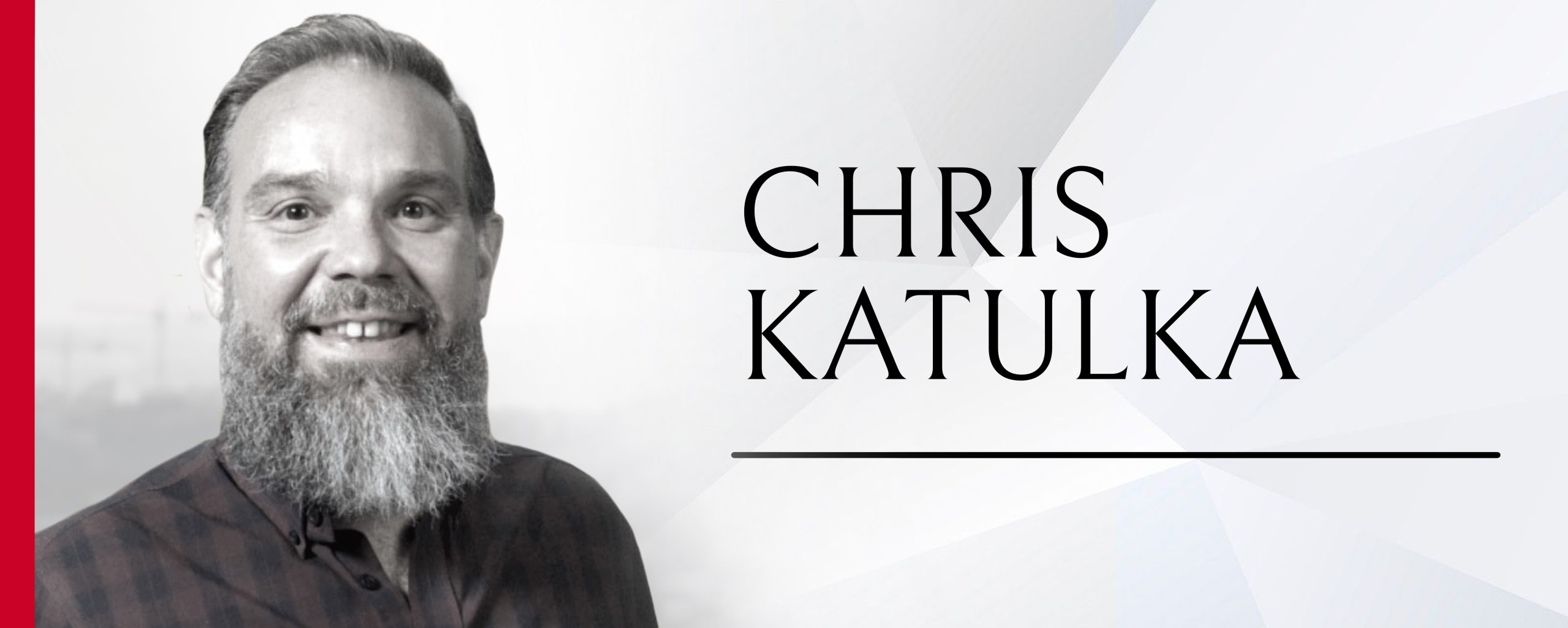
Chris Katulka

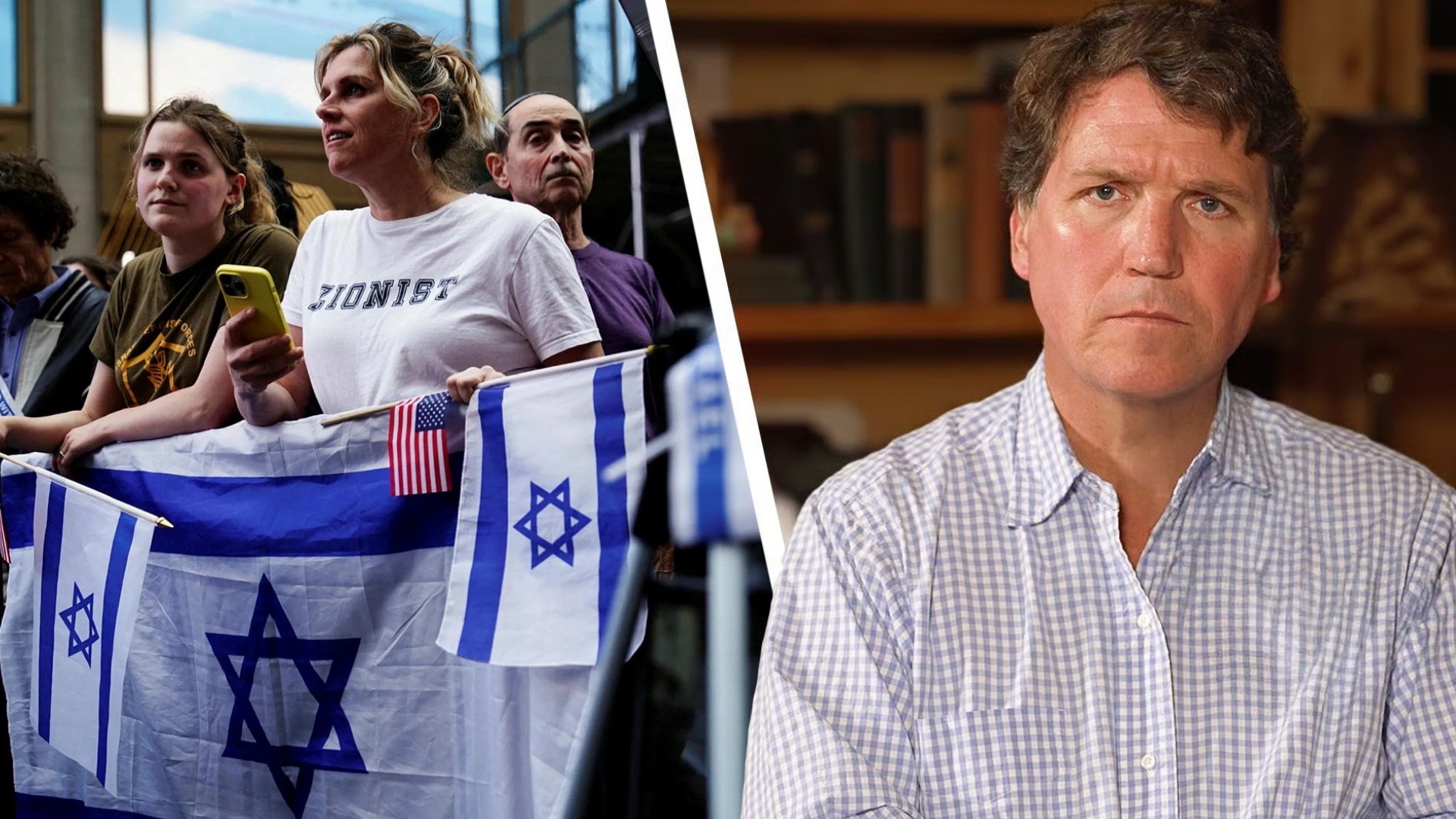
Tucker Carlson recently platformed known antisemite Nick Fuentes on his podcast—where the former Fox News host seemed eager to match, if not outdo, his guest’s extreme rhetoric toward Israel and the Jewish people.

During their more than two-hour conversation, the words “Jew,” “Jews,” and “Jewish” were mentioned 42 times, while “Israel” appeared 51 times. Though the discussion wandered across a variety of topics, it repeatedly circled back to the Jewish people and the State of Israel. And, as if to soften the edges of their hostility, both men reassured listeners that they “have Jewish friends.” 

Maybe now it’s “had” Jewish friends?

Their obsession is no coincidence. Their dialogue was fixated on Israel and the Jewish people because antisemitism often disguises itself as “honest questioning” about Jewish influence or Israel’s legitimacy. When a conversation continually circles around Jews and Israel with suspicion and accusation, to the exclusion of all other peoples and nations, it’s no longer about ideas—it’s about blame. This kind of rhetoric has deep historical roots. It feeds the old, poisonous lie that the Jewish people and Israel are the source of the world’s problems.

Carlson didn’t stop there. He took aim at Christian Zionists—believers like myself—mocking our literal interpretation of Scripture as a “brain virus”: “How do you explain Mike Huckabee, Ted Cruz … who I have seen be seized by this brain virus, and they’re not Jewish. Most of them are self-described Christians. And they’re Christian Zionists.”

He went as far as to say, “I dislike them more than anybody … because it’s Christian heresy and I’m offended by that as a Christian.” Well, I suppose Carlson would loathe my existence.

I’m a Christian Zionist—and I refuse to be shamed or miscast by the notion that supporting the Jewish people and the State of Israel is some kind of virus.

Carlson’s phrase, “brain virus,” was meant to ridicule Christians who believe the Jewish people have a biblical right to self-determination in their ancestral homeland. But their rhetoric exposes something older and far darker—the belief that the Jewish people themselves are the problem.

Their words recycle ancient tropes: Jews as nefarious power brokers, Jews as global puppet masters, Israel as the “occupier.” What they spread isn’t a thoughtful critique—it’s the virus of suspicion, hate, and scapegoating that has harmed the Jewish people for centuries.

If you don’t believe me, just read the myriad of antisemitic YouTube comments on their discussion; they mimic the hatred the Jewish people endured in the late 19th and early 20th century. 

At one point, Carlson asked Fuentes what conservatives stand in the way of winning back the country. Fuentes replied, “…the Zionist Jews, like Dave Rubin, like Ben Shapiro, like Dennis Prager. It was the guys that were really controlling the media apparatus that seemed to me to be the biggest impediment.”

That’s not analysis—it’s accusation dressed as enlightenment.

He’s throwing conservative Jewish commentators under the bus for their belief that Israel remains a vital ally to American interests. 

In contrast, Christian Zionism says something radically different: The Jewish people are not the problem. God is not finished with Israel—not with the land, not with the people, not with the promise. To stand with Israel is not heresy; it is biblical fidelity.

When God called Abram (later Abraham), He promised a land (Israel), a people (the Jewish people), and a multifaceted blessing to make Abraham a great nation and to protect that nation throughout history that they might fulfill their divine calling to bless all the families of the earth.

That covenant doesn’t remain trapped in the verses of Genesis—it binds the entire story of Scripture together. The prophets proclaim it; the apostles affirm it. In Romans 11, the Apostle Paul—Carlson’s self-professed hero—uses the image of an olive tree: the natural branches (Israel) and the grafted-in wild branches (Gentile believers): “If some of the branches were broken off, and you, a wild olive shoot, were grafted in among them… do not boast over the branches.” (Romans 11:17–18)

Paul’s warning could not be clearer: Do not be arrogant toward Israel. And yet Carlson, Fuentes, and those who echo their views do exactly that.

Ironically, in calling Christian Zionism “heresy,” they embrace the unbiblical doctrine known as supersessionism—the false idea that the Church has replaced Israel, that God’s promises to the Jewish people have expired. 

Fuentes, promoting Supersessionism, cited Thomas Aquinas, the 13th-century Catholic philosopher, to claim that Jewish people are a “witnessed people” who have special legal protections but no ongoing spiritual role. Then he doubled down: “The neoconservatives and Israel have everything to do with Jewish identity… the blood and soil nationalism of Israel… stems from this ethno-religion, which is Judaism.”

If only they would open their Bibles. They would see that Jesus and all His apostles believed in a coming restoration of Israel’s kingdom, just as God had promised “through His holy prophets” (Acts 3:17–21).

Their brand of supersessionism runs headlong into Paul’s reminder that even in unbelief, Israel remains beloved “for the sake of the patriarchs,” because “the gifts and calling of God are irrevocable” (Romans 11:29). God’s covenant with Abraham—land, people, blessing—cannot be undone.

Carlson and Fuentes paint Christian Zionists as naïve or deceived—blindly serving the Israeli agenda. But Paul defines the heart of the Christian Zionist who calls Gentile believers to humility, not hubris: “Because of unbelief they were broken off, and you stand by faith. Be not high-minded, but fear.” (Romans 11:20)

That’s my posture as a Christian Zionist: Humble gratitude, not arrogance. Reverence for God and His Word, not bondage to any political agenda.

Their line—”Christian Zionism is Christian heresy”—reveals that politics has become their religion. They promote not the transforming work of Christ in individual hearts but a cultural crusade—a collective Christian identity defined by power, blame, and control. In that movement, Israel becomes a target, and Christian Zionists are the pawns.

As for me, I will continue to speak up for the Jewish people, to pray for Israel, and to affirm the land God has promised. I will oppose the targeting of Jewish people, I will reject the lie that a Jewish conspiracy is what’s wrong with the world, and I will encourage believers to see that the Jewish people are not the obstacle to redemption—they are a key part of God’s redemptive plan.

I will live as a wild branch grafted in by grace—grateful, humbled, and standing in solidarity with the root, not boasting against it and blaming it for the woes of party affiliation.

So to Tucker Carlson and Nick Fuentes, I would simply say: read your Bible.

It’s a Jewish book—yes, even the New Testament. There you’ll find that Jesus is the Messiah of Israel, who came for the lost sheep of the house of Israel to establish the New Covenant, promised to Israel in Jeremiah 31:31, a blessing for the world. You’ll see that Paul, a faithful Jewish man himself, affirmed that God’s covenant with Abraham, Isaac, and Jacob still stands.

God’s love for the Jewish people is not a political issue—it’s a biblical truth.

“Boast not against the branches. But if you boast, remember you do not support the root, the root supports you.” (Romans 11:18)



‘No Israel’ Without Trump?: Mr. President, God Isn’t Looking For A Partner To Share His Glory

“Tell you what, if there wasn't me, there would be no Israel right now”… Those were the words of President Trump in an interview on Wednesday. Very respectfully, I want to say to the President of the United States: Mr. Trump, you're wrong. Trump has been the best friend that Israel has ever had in the White House—and I say that with no asterisk. But Israel doesn't exist because of any man.

Shifting Public Opinion: The Appeal Of Pride Month Appears To Be Fading

For years, June brought a predictable wave of corporate logos, advertising campaigns, themed merchandise, and public celebrations. Parents learned to pay closer attention to commercials in family programming, sports fans grew accustomed to Pride-themed uniforms and promotions, and many city streets became venues for often indecent displays at Pride parades. This year is noticeably different. The symbols are not gone, but they are far less prominent. It’s premature to say Pride has fallen, but it is fair to say the appeal of Pride Month has faded.

sign up

Jan Markell: Is Israel’s Spiritual Blindness A Reason For Christians To Reject Them?

Ezekiel 36 emphasizes that when the Jews return to the land, they will do so in unbelief. There will be spiritual regeneration much later! The dry bones of Ezekiel 37 reflect a lack of breath or spiritual life. God states he is gathering them back “not for your sake but for my holy name’s sake,” because their presence among the nations caused his name to be profaned. Ezekiel 36 promises that once back in the land, God will cleanse them, give them a new spirit, and cause them to walk in his statutes. But much later.

ABC's of Salvation

Decision

UTT

FOI

untitled artwork

Israel My Glory

Chris Katulka

Tucker Carlson recently platformed known antisemite Nick Fuentes on his podcast—where the former Fox News host seemed eager to match, if not outdo, his guest’s extreme rhetoric toward Israel and the Jewish people.

During their more than two-hour conversation, the words “Jew,” “Jews,” and “Jewish” were mentioned 42 times, while “Israel” appeared 51 times. Though the discussion wandered across a variety of topics, it repeatedly circled back to the Jewish people and the State of Israel. And, as if to soften the edges of their hostility, both men reassured listeners that they “have Jewish friends.” 

Maybe now it’s “had” Jewish friends?

Their obsession is no coincidence. Their dialogue was fixated on Israel and the Jewish people because antisemitism often disguises itself as “honest questioning” about Jewish influence or Israel’s legitimacy. When a conversation continually circles around Jews and Israel with suspicion and accusation, to the exclusion of all other peoples and nations, it’s no longer about ideas—it’s about blame. This kind of rhetoric has deep historical roots. It feeds the old, poisonous lie that the Jewish people and Israel are the source of the world’s problems.

Carlson didn’t stop there. He took aim at Christian Zionists—believers like myself—mocking our literal interpretation of Scripture as a “brain virus”: “How do you explain Mike Huckabee, Ted Cruz … who I have seen be seized by this brain virus, and they’re not Jewish. Most of them are self-described Christians. And they’re Christian Zionists.”

He went as far as to say, “I dislike them more than anybody … because it’s Christian heresy and I’m offended by that as a Christian.” Well, I suppose Carlson would loathe my existence.

I’m a Christian Zionist—and I refuse to be shamed or miscast by the notion that supporting the Jewish people and the State of Israel is some kind of virus.

Carlson’s phrase, “brain virus,” was meant to ridicule Christians who believe the Jewish people have a biblical right to self-determination in their ancestral homeland. But their rhetoric exposes something older and far darker—the belief that the Jewish people themselves are the problem.

Their words recycle ancient tropes: Jews as nefarious power brokers, Jews as global puppet masters, Israel as the “occupier.” What they spread isn’t a thoughtful critique—it’s the virus of suspicion, hate, and scapegoating that has harmed the Jewish people for centuries.

If you don’t believe me, just read the myriad of antisemitic YouTube comments on their discussion; they mimic the hatred the Jewish people endured in the late 19th and early 20th century. 

At one point, Carlson asked Fuentes what conservatives stand in the way of winning back the country. Fuentes replied, “…the Zionist Jews, like Dave Rubin, like Ben Shapiro, like Dennis Prager. It was the guys that were really controlling the media apparatus that seemed to me to be the biggest impediment.”

That’s not analysis—it’s accusation dressed as enlightenment.

He’s throwing conservative Jewish commentators under the bus for their belief that Israel remains a vital ally to American interests. 

In contrast, Christian Zionism says something radically different: The Jewish people are not the problem. God is not finished with Israel—not with the land, not with the people, not with the promise. To stand with Israel is not heresy; it is biblical fidelity.

When God called Abram (later Abraham), He promised a land (Israel), a people (the Jewish people), and a multifaceted blessing to make Abraham a great nation and to protect that nation throughout history that they might fulfill their divine calling to bless all the families of the earth.

That covenant doesn’t remain trapped in the verses of Genesis—it binds the entire story of Scripture together. The prophets proclaim it; the apostles affirm it. In Romans 11, the Apostle Paul—Carlson’s self-professed hero—uses the image of an olive tree: the natural branches (Israel) and the grafted-in wild branches (Gentile believers): “If some of the branches were broken off, and you, a wild olive shoot, were grafted in among them… do not boast over the branches.” (Romans 11:17–18)

Paul’s warning could not be clearer: Do not be arrogant toward Israel. And yet Carlson, Fuentes, and those who echo their views do exactly that.

Ironically, in calling Christian Zionism “heresy,” they embrace the unbiblical doctrine known as supersessionism—the false idea that the Church has replaced Israel, that God’s promises to the Jewish people have expired. 

Fuentes, promoting Supersessionism, cited Thomas Aquinas, the 13th-century Catholic philosopher, to claim that Jewish people are a “witnessed people” who have special legal protections but no ongoing spiritual role. Then he doubled down: “The neoconservatives and Israel have everything to do with Jewish identity… the blood and soil nationalism of Israel… stems from this ethno-religion, which is Judaism.”

If only they would open their Bibles. They would see that Jesus and all His apostles believed in a coming restoration of Israel’s kingdom, just as God had promised “through His holy prophets” (Acts 3:17–21).

Their brand of supersessionism runs headlong into Paul’s reminder that even in unbelief, Israel remains beloved “for the sake of the patriarchs,” because “the gifts and calling of God are irrevocable” (Romans 11:29). God’s covenant with Abraham—land, people, blessing—cannot be undone.

Carlson and Fuentes paint Christian Zionists as naïve or deceived—blindly serving the Israeli agenda. But Paul defines the heart of the Christian Zionist who calls Gentile believers to humility, not hubris: “Because of unbelief they were broken off, and you stand by faith. Be not high-minded, but fear.” (Romans 11:20)

That’s my posture as a Christian Zionist: Humble gratitude, not arrogance. Reverence for God and His Word, not bondage to any political agenda.

Their line—”Christian Zionism is Christian heresy”—reveals that politics has become their religion. They promote not the transforming work of Christ in individual hearts but a cultural crusade—a collective Christian identity defined by power, blame, and control. In that movement, Israel becomes a target, and Christian Zionists are the pawns.

As for me, I will continue to speak up for the Jewish people, to pray for Israel, and to affirm the land God has promised. I will oppose the targeting of Jewish people, I will reject the lie that a Jewish conspiracy is what’s wrong with the world, and I will encourage believers to see that the Jewish people are not the obstacle to redemption—they are a key part of God’s redemptive plan.

I will live as a wild branch grafted in by grace—grateful, humbled, and standing in solidarity with the root, not boasting against it and blaming it for the woes of party affiliation.

So to Tucker Carlson and Nick Fuentes, I would simply say: read your Bible.

It’s a Jewish book—yes, even the New Testament. There you’ll find that Jesus is the Messiah of Israel, who came for the lost sheep of the house of Israel to establish the New Covenant, promised to Israel in Jeremiah 31:31, a blessing for the world. You’ll see that Paul, a faithful Jewish man himself, affirmed that God’s covenant with Abraham, Isaac, and Jacob still stands.

God’s love for the Jewish people is not a political issue—it’s a biblical truth.

“Boast not against the branches. But if you boast, remember you do not support the root, the root supports you.” (Romans 11:18)

Trusted Analysis From A Biblical Worldview

Help reach the lost and equip the church with the living and active truth of God's Word in our world today.

YOU CARE ABOUT

BIBLICAL TRUTH. SO DO WE.


Together, We Can Deliver A Biblical Understanding

Of News Events Around The World.

‘No Israel’ Without Trump?: Mr. President, God Isn’t Looking For A Partner To Share His Glory

“Tell you what, if there wasn't me, there would be no Israel right now”… Those were the words of President Trump in an interview on Wednesday. Very respectfully, I want to say to the President of the United States: Mr. Trump, you're wrong. Trump has been the best friend that Israel has ever had in the White House—and I say that with no asterisk. But Israel doesn't exist because of any man.

Shifting Public Opinion: The Appeal Of Pride Month Appears To Be Fading

For years, June brought a predictable wave of corporate logos, advertising campaigns, themed merchandise, and public celebrations. Parents learned to pay closer attention to commercials in family programming, sports fans grew accustomed to Pride-themed uniforms and promotions, and many city streets became venues for often indecent displays at Pride parades. This year is noticeably different. The symbols are not gone, but they are far less prominent. It’s premature to say Pride has fallen, but it is fair to say the appeal of Pride Month has faded.

untitled artwork 6391

Jan Markell: Is Israel’s Spiritual Blindness A Reason For Christians To Reject Them?

Ezekiel 36 emphasizes that when the Jews return to the land, they will do so in unbelief. There will be spiritual regeneration much later! The dry bones of Ezekiel 37 reflect a lack of breath or spiritual life. God states he is gathering them back “not for your sake but for my holy name’s sake,” because their presence among the nations caused his name to be profaned. Ezekiel 36 promises that once back in the land, God will cleanse them, give them a new spirit, and cause them to walk in his statutes. But much later.

ABC's of Salvation

TV AD

worldview matters

Decision Magazine V AD

Decision

Jan Markell

Israel My Glory

Erick Stakelbeck

untitled artwork

YOU CARE ABOUT

BIBLICAL TRUTH.

SO DO WE.

Together, We Can Deliver A Biblical Understanding Of News Events Around The World And Equip The Church To Stand With A Biblical Worldview.

untitled artwork

Israel My Glory

YOU CARE ABOUT

BIBLICAL TRUTH.

SO DO WE.


Together, We Can Deliver A Biblical Understanding Of News Events Around The World And Equip The Church To Stand With A Biblical Worldview.