June 20, 2026

June, 20, 2026
June 20, 2026

give

untitled artwork

untitled artwork

World news biblically understood

TRENDING:

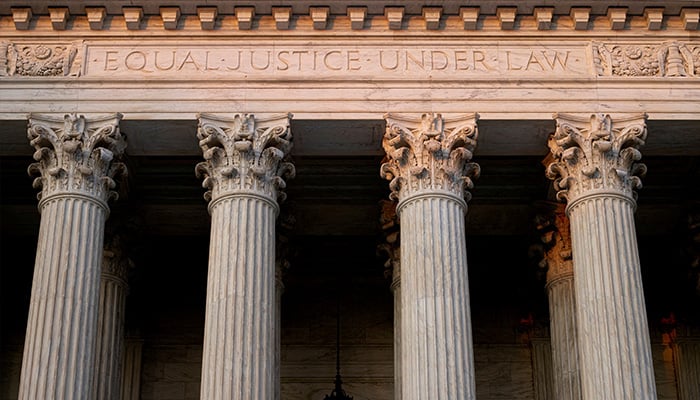
The Close Linkage Between The Freedom Of Speech And Religious Liberty

Imagine the government made it a crime to say “Merry Christmas” on public streets, but people could still offer non-religious season’s greetings. This war on Christmas would infringe the First Amendment three times over. First, the law prohibits a message based on its content, a violation of the Freedom of Speech Clause. Second, the law targets the sincerely held religious beliefs of only one faith—Christians—in violation of the Free Exercise of Religion Clause. And third, the law favors secularism over faith, in violation of the Establishment Clause.

This simple hypothetical illustrates the close relationship between the freedom of speech and religious liberty. Indeed, many of the Supreme Court’s most important religious decisions arose in the context of free speech disputes. Let’s consider several landmark cases.

During the early 20th century, states required school children to salute the flag while reciting the Pledge of Allegiance. For most Americans, this act of patriotism would be welcome. But for Jehovah’s Witnesses, saluting a flag amounts to worshiping a graven image. They could no more recite the pledge than they could pray to an idol of Zeus. Three children of this faith challenged West Virginia’s mandatory salute. The trial court found the law violated their free exercise of religion.

On appeal, the Supreme Court found the law violated the freedom of speech. In West Virginia v. Barnette (1943), Justice Robert H. Jackson declared, “If there is any fixed star in our constitutional constellation, it is that no official, high or petty, can prescribe what shall be orthodox in politics, nationalism, religion, or other matters of opinion or force citizens to confess by word or act their faith therein.” Barnette is a landmark free speech case, but provides critical protections for religious liberty.

The Supreme Court seemed more comfortable resolving this case on free speech grounds, rather than religious liberty grounds. Why? My theory is that ruling on the former grounds protects people of all faiths, or no faith at all. By contrast, a ruling based on the religion clauses would only affect certain people of faith, and leave others without legal protection. In either event, the Jehovah’s Witness children received the accommodation they needed.

Despite Justice Jackson’s clear understanding of freedom, governments continue to trample on these fundamental rights. Colorado, in particular, sadly has not learned the lesson from Barnette. Lori Smith designed websites. But due to her sincerely held Christian beliefs, she refused to build a website for a same-sex wedding. Colorado, however, would have forced her to engage in this artistic act in violation of her conscience. In 303 Creative LLC v. Elenis (2023), the Supreme Court held that such compelled speech violated the Free Speech Clause of the First Amendment. Justice Neil Gorsuch’s majority opinion, citing Barnette, ruled that “the government may not compel a person to speak its own preferred messages.”

Colorado was also prepared to force Jack Phillips, a Christian baker, to design a cake for a same-sex wedding. In Masterpiece Cakeshop v. Colorado Civil Rights Commission (2018), the Supreme Court found that the state unconstitutionally targeted Phillips for his traditional religious beliefs. In another case, Colorado allowed mental health professionals to “transition” minors to another sex, but prohibited them from counseling children to be comfortable in their own bodies. Chiles v. Salazar (2026) ruled that a Christian therapist had the right to engage in talk therapy, consistent with her own beliefs.

One final case brought by First Liberty Institute is especially important. Coach Joe Kennedy would pray at the 50-yard line after high school football games. The school barred Coach Kennedy from praying, fearful that students would feel coerced to pray with him. Kennedy v. Bremerton School District (2022) ruled that the government violated Coach Kennedy’s speech rights. Prayer is simply a form of speech, much like wishing someone a Merry Christmas. Justice Neil Gorsuch further determined that merely exposing students to prayer did not offend the Establishment Clause. In doing so, the Court overruled the dreaded Lemon test, which barred most public displays of religion.

These cases demonstrate the close linkage between the freedom of speech and religious liberty. We should be grateful the Framers recognized this connection and tied these first liberties together in the First Amendment.



give

How Allegory Reduces The Bible To Nothing More Than A Work Of Fiction

It is God alone who predicts the future. Prophecy is one of God’s signatures that tells us that we can trust in Him and His Word. It is what separates the Bible from all other religious writings in the world. But if we consistently use allegorical hermeneutics, as Charles Ryrie points out, then in effect what we have just done is reduce the Bible to nothing more than a work of fiction. How tragic! With hermeneutics like that, it is no wonder so many people want nothing to do with Bible prophecy. It is no wonder pastors refuse to preach and teach events concerning the future, and it is no wonder it can be so hard to understand.

Despite The Distorted Claims Of Many, Hitler Was Not ‘A Christian’

As other dictators have done, he took over the churches and used their organizational structure to influence the citizens—though the teachings allowed were anything but biblical. William Shirer, who chronicled the Nazi regime, stated that “the Nazi regime intended eventually to destroy Christianity in Germany” and substitute paganism. Hitler’s vision for Germany was defined in a thirty-point program for the “National Reich Church,” which “categorically claims the exclusive right and the exclusive power to control all churches within the borders of the Reich.”

sign up

Jan Markell: You Can’t Have A Genuine Revival With False Doctrine Raging

I hear a dozen evangelists stating that we are on the verge of a great revival. One self-proclaimed prophet says that a billion souls will come to faith in the coming weeks and months. If my Rapture is imminent, how can there be an imminent revival? Which is it? The Bible does talk about a coming revival. The question concerns its timing. Is it in the coming days, or is it after the Rapture when the “left behind” world realizes they should have listened to believers like you and me, get a second chance, and multitudes come to faith?

ABC's of Salvation

Decision

UTT

FOI

untitled artwork

Israel My Glory

Imagine the government made it a crime to say “Merry Christmas” on public streets, but people could still offer non-religious season’s greetings. This war on Christmas would infringe the First Amendment three times over. First, the law prohibits a message based on its content, a violation of the Freedom of Speech Clause. Second, the law targets the sincerely held religious beliefs of only one faith—Christians—in violation of the Free Exercise of Religion Clause. And third, the law favors secularism over faith, in violation of the Establishment Clause.

This simple hypothetical illustrates the close relationship between the freedom of speech and religious liberty. Indeed, many of the Supreme Court’s most important religious decisions arose in the context of free speech disputes. Let’s consider several landmark cases.

During the early 20th century, states required school children to salute the flag while reciting the Pledge of Allegiance. For most Americans, this act of patriotism would be welcome. But for Jehovah’s Witnesses, saluting a flag amounts to worshiping a graven image. They could no more recite the pledge than they could pray to an idol of Zeus. Three children of this faith challenged West Virginia’s mandatory salute. The trial court found the law violated their free exercise of religion.

On appeal, the Supreme Court found the law violated the freedom of speech. In West Virginia v. Barnette (1943), Justice Robert H. Jackson declared, “If there is any fixed star in our constitutional constellation, it is that no official, high or petty, can prescribe what shall be orthodox in politics, nationalism, religion, or other matters of opinion or force citizens to confess by word or act their faith therein.” Barnette is a landmark free speech case, but provides critical protections for religious liberty.

The Supreme Court seemed more comfortable resolving this case on free speech grounds, rather than religious liberty grounds. Why? My theory is that ruling on the former grounds protects people of all faiths, or no faith at all. By contrast, a ruling based on the religion clauses would only affect certain people of faith, and leave others without legal protection. In either event, the Jehovah’s Witness children received the accommodation they needed.

Despite Justice Jackson’s clear understanding of freedom, governments continue to trample on these fundamental rights. Colorado, in particular, sadly has not learned the lesson from Barnette. Lori Smith designed websites. But due to her sincerely held Christian beliefs, she refused to build a website for a same-sex wedding. Colorado, however, would have forced her to engage in this artistic act in violation of her conscience. In 303 Creative LLC v. Elenis (2023), the Supreme Court held that such compelled speech violated the Free Speech Clause of the First Amendment. Justice Neil Gorsuch’s majority opinion, citing Barnette, ruled that “the government may not compel a person to speak its own preferred messages.”

Colorado was also prepared to force Jack Phillips, a Christian baker, to design a cake for a same-sex wedding. In Masterpiece Cakeshop v. Colorado Civil Rights Commission (2018), the Supreme Court found that the state unconstitutionally targeted Phillips for his traditional religious beliefs. In another case, Colorado allowed mental health professionals to “transition” minors to another sex, but prohibited them from counseling children to be comfortable in their own bodies. Chiles v. Salazar (2026) ruled that a Christian therapist had the right to engage in talk therapy, consistent with her own beliefs.

One final case brought by First Liberty Institute is especially important. Coach Joe Kennedy would pray at the 50-yard line after high school football games. The school barred Coach Kennedy from praying, fearful that students would feel coerced to pray with him. Kennedy v. Bremerton School District (2022) ruled that the government violated Coach Kennedy’s speech rights. Prayer is simply a form of speech, much like wishing someone a Merry Christmas. Justice Neil Gorsuch further determined that merely exposing students to prayer did not offend the Establishment Clause. In doing so, the Court overruled the dreaded Lemon test, which barred most public displays of religion.

These cases demonstrate the close linkage between the freedom of speech and religious liberty. We should be grateful the Framers recognized this connection and tied these first liberties together in the First Amendment.

Trusted Analysis From A Biblical Worldview

Help reach the lost and equip the church with the living and active truth of God's Word in our world today.

YOU CARE ABOUT

BIBLICAL TRUTH. SO DO WE.


Together, We Can Deliver A Biblical Understanding

Of News Events Around The World.

How Allegory Reduces The Bible To Nothing More Than A Work Of Fiction

It is God alone who predicts the future. Prophecy is one of God’s signatures that tells us that we can trust in Him and His Word. It is what separates the Bible from all other religious writings in the world. But if we consistently use allegorical hermeneutics, as Charles Ryrie points out, then in effect what we have just done is reduce the Bible to nothing more than a work of fiction. How tragic! With hermeneutics like that, it is no wonder so many people want nothing to do with Bible prophecy. It is no wonder pastors refuse to preach and teach events concerning the future, and it is no wonder it can be so hard to understand.

Despite The Distorted Claims Of Many, Hitler Was Not ‘A Christian’

As other dictators have done, he took over the churches and used their organizational structure to influence the citizens—though the teachings allowed were anything but biblical. William Shirer, who chronicled the Nazi regime, stated that “the Nazi regime intended eventually to destroy Christianity in Germany” and substitute paganism. Hitler’s vision for Germany was defined in a thirty-point program for the “National Reich Church,” which “categorically claims the exclusive right and the exclusive power to control all churches within the borders of the Reich.”

untitled artwork 6391

Jan Markell: You Can’t Have A Genuine Revival With False Doctrine Raging

I hear a dozen evangelists stating that we are on the verge of a great revival. One self-proclaimed prophet says that a billion souls will come to faith in the coming weeks and months. If my Rapture is imminent, how can there be an imminent revival? Which is it? The Bible does talk about a coming revival. The question concerns its timing. Is it in the coming days, or is it after the Rapture when the “left behind” world realizes they should have listened to believers like you and me, get a second chance, and multitudes come to faith?

ABC's of Salvation

TV AD

worldview matters

Decision Magazine V AD

Decision

Jan Markell

Israel My Glory

Erick Stakelbeck

untitled artwork

YOU CARE ABOUT

BIBLICAL TRUTH.

SO DO WE.

Together, We Can Deliver A Biblical Understanding Of News Events Around The World And Equip The Church To Stand With A Biblical Worldview.

untitled artwork

Israel My Glory

YOU CARE ABOUT

BIBLICAL TRUTH.

SO DO WE.


Together, We Can Deliver A Biblical Understanding Of News Events Around The World And Equip The Church To Stand With A Biblical Worldview.