August 5, 2026

August, 5, 2026
August 5, 2026

give

untitled artwork

untitled artwork

World news biblically understood

TRENDING:

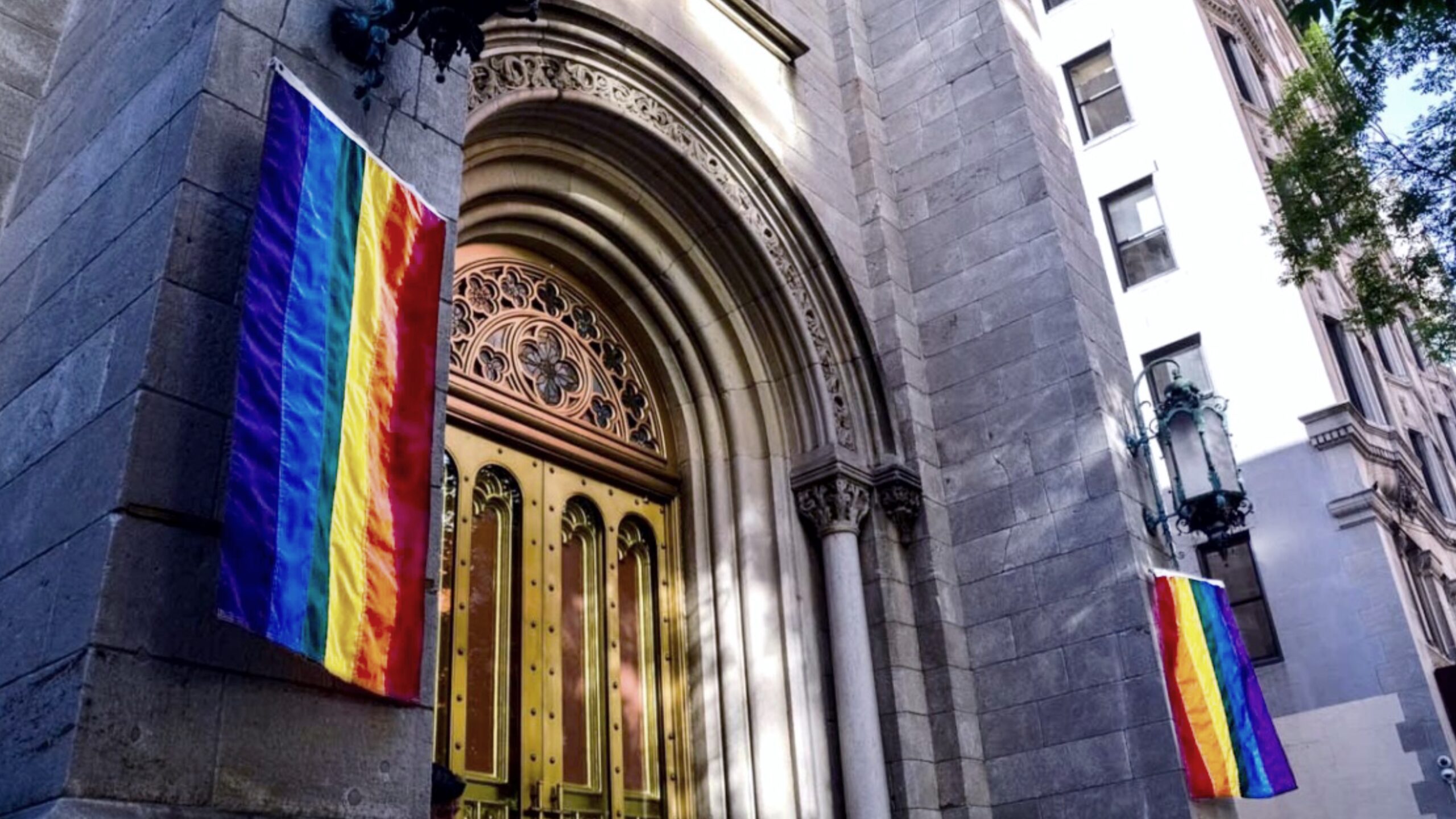
Making the Narrow Door Wider?: Progressive Christianity Surrenders To The Moral Revolution

The disciples asked Jesus a question that many of us have wondered about: “Lord, will those who are saved be few?” (Luke 13:23). We’ve all wondered how many people will be saved and how many lost. We know that in the end there will be a multitude of the redeemed from every tribe and nation that no one can number (Revelation 7:9). But we also know that this multitude represents only a fraction of the human race. We would like to know more specific numbers and perhaps percentages.

Jesus did not answer this question directly, rather He chose to give a warning:

“Strive to enter through the narrow door. For many, I tell you, will seek to enter and will not be able. When once the master of the house has risen and shut the door, and you begin to stand outside and knock at the door, saying, ‘Lord, open to us,’ then he will answer you, ‘I do not know where you have come from’” (Luke 13:24-25). In the Sermon on the Mount, Jesus taught that more people will be on the broad road that leads to destruction, rather than the narrow road which leads to life. Clearly, there will be more people lost than saved.

Yet today there are many “progressive” Christians who want to make the narrow door wider; they advance their cause under the banner of love and justice and equality. Progressive Christianity has the same basic worldview as the theological liberalism that shifted authority away from the Scripture to human opinions. Progressive Christians do not reject Biblical authority outright; rather they purport to walk a middle path with the Bible in one hand and cultural sensitivity in the other.

To put it clearly: Progressive Christianity interprets the Bible through the lens of culture; it does not critique the culture through the lens of the Bible. So, in the name of love and inclusivity, progressive Christians apply their teaching to matters of sexuality, the doctrine of salvation and the eternal destiny of lost sinners. They wish to make Christianity blend in with the culture rather than stand against it. They believe that in this way, the church will become more relevant and loving. “Can’t we just abandon some of the hard edges of Christianity and move toward a more inclusive understanding of the Christian faith?” This, they say, will remove barriers for those who see the church as unloving and hopelessly exclusive.

Yes, I agree we should be loving, but we must also have a deep commitment to truth. The Bible makes it clear that loving God and loving our neighbor summarizes the law. But when we replace God’s view of love with our own view of what we think love requires, it can lead us to justify sinful behavior.

Jesus clarified the meaning of love: “If you love me, you will keep my commandments” (John 14:15). To love God is to obey His Word. In contrast, progressive Christianity surrenders to the moral revolution, the essential goodness of human nature, and an inclusiveness regarding essential doctrines. In other words, they have developed a worldview based on human desires, not the clear revelation of God. This is exactly what Paul warned against: “The time is coming when people will not endure sound teaching, but having itching ears they will accumulate for themselves teachers to suit their own passions, and will turn away from listening to the truth” (2 Timothy 4:3-4, italics added).

Second, with a verbal sleight of hand, progressive Christians sell their point of view using words such as equality and justice. The Bible is very clear that every Christian should be involved in pursuing justice. So the phrase social justice sounds Biblical, but when you peel back the label, too often you find that it has a wide range of leftist agendas. There is “marriage justice” (same-sex marriage). There is economic justice (socialism). There is racial justice (critical race theory, which divides the races rather than unifying them as the Gospel demands). So behind the phrase social justice is often an entire worldview that is contrary to Biblical teaching.

So, what are we to do?

First, we must pray for discernment. We must look beyond the labels and say, “This might look good, but is it hiding an unbiblical view of love?” Ask yourself, “Do I believe this because it sounds compassionate, or is it actually Biblical?” The most compassionate thing we can do is to tell people the truth.

Second, ask if the world’s definitions of justiceand equality are based on divine law, or my own preference. In the Book of Judges, “Everyone did what was right in his own eyes” (Judges 21:25). They did not do what was wrong in their own eyes; they did what was right and just in their own eyes. But this ended in idolatry.

In Proverbs we read, “Buy truth, and do not sell it; buy wisdom, instruction, and understanding” (Proverbs 23:23). And in our era, refusing to sell the truth is more important than ever.

“Enter through the narrow door,” Jesus warned. We have no right to make it wider.

Millions Are Understanding The News Through A Biblical Worldview

THANKS TO YOUR PRAYER AND SUPPORT

Misidentifying The Enemy: What Happens When a Nation Can No Longer Recognize Its Allies?

When a nation loses the ability to distinguish between allies and adversaries, truth and propaganda, leadership and political theater, it becomes vulnerable long before the first battle is lost. The headlines may change, but the underlying challenge remains the same. As conflict intensifies in the Middle East, foreign governments expand their influence, and political narratives compete with objective reality, Americans are confronted with a pressing question: Can we still recognize the difference between those who defend freedom and those who seek to undermine it? These are not isolated controversies. They are warning signs that discernment has become one of the most important responsibilities of our time. 

A Debt We Can Never Repay: Why Israel Should Have A Place In Every Christian’s Heart

Yes, Christianity has emphasized the biblical message of grace for two thousand years, and the spread of the Church has been extraordinary. But that message is ours because it was passed down from the Jewish people. The Gospel was born in Israel. It was nursed and cradled by the Hebrew nation in the land promised to their ancestors. It was Jewish apostles who carried the Gospel to the ends of the earth. The first churches were established by Jewish missionaries. Our faith—from beginning to end—flows through Israel.

sign up

The Slippery Slope Of Australia’s Spirituality: A Deliberate Campaign Of Atheism

On 29 July 2026, the church that I pastor played host for the Brisbane leg of a tour of Australia by Amir Tsarfati and Pastor Barry Stagner. On that blessed evening, over 1,000 people gathered together for praise, powerful preaching, prayer, and of course, photos with these two beloved servants of God. Even though we hired a large venue for the evening, seating was limited. This meant that, sadly, many missed out on being able to attend. One such person who was not able to secure tickets remarked that it would be wonderful if this was the dilemma faced by every Bible-believing church in Australia on a Sunday morning. Yet Australia's overall spiritual landscape suggest a disturbing deterioration away from Biblical belief.

ABC's of Salvation

Decision

UTT

FOI

untitled artwork

Israel My Glory

The disciples asked Jesus a question that many of us have wondered about: “Lord, will those who are saved be few?” (Luke 13:23). We’ve all wondered how many people will be saved and how many lost. We know that in the end there will be a multitude of the redeemed from every tribe and nation that no one can number (Revelation 7:9). But we also know that this multitude represents only a fraction of the human race. We would like to know more specific numbers and perhaps percentages.

Jesus did not answer this question directly, rather He chose to give a warning:

“Strive to enter through the narrow door. For many, I tell you, will seek to enter and will not be able. When once the master of the house has risen and shut the door, and you begin to stand outside and knock at the door, saying, ‘Lord, open to us,’ then he will answer you, ‘I do not know where you have come from’” (Luke 13:24-25). In the Sermon on the Mount, Jesus taught that more people will be on the broad road that leads to destruction, rather than the narrow road which leads to life. Clearly, there will be more people lost than saved.

Yet today there are many “progressive” Christians who want to make the narrow door wider; they advance their cause under the banner of love and justice and equality. Progressive Christianity has the same basic worldview as the theological liberalism that shifted authority away from the Scripture to human opinions. Progressive Christians do not reject Biblical authority outright; rather they purport to walk a middle path with the Bible in one hand and cultural sensitivity in the other.

To put it clearly: Progressive Christianity interprets the Bible through the lens of culture; it does not critique the culture through the lens of the Bible. So, in the name of love and inclusivity, progressive Christians apply their teaching to matters of sexuality, the doctrine of salvation and the eternal destiny of lost sinners. They wish to make Christianity blend in with the culture rather than stand against it. They believe that in this way, the church will become more relevant and loving. “Can’t we just abandon some of the hard edges of Christianity and move toward a more inclusive understanding of the Christian faith?” This, they say, will remove barriers for those who see the church as unloving and hopelessly exclusive.

Yes, I agree we should be loving, but we must also have a deep commitment to truth. The Bible makes it clear that loving God and loving our neighbor summarizes the law. But when we replace God’s view of love with our own view of what we think love requires, it can lead us to justify sinful behavior.

Jesus clarified the meaning of love: “If you love me, you will keep my commandments” (John 14:15). To love God is to obey His Word. In contrast, progressive Christianity surrenders to the moral revolution, the essential goodness of human nature, and an inclusiveness regarding essential doctrines. In other words, they have developed a worldview based on human desires, not the clear revelation of God. This is exactly what Paul warned against: “The time is coming when people will not endure sound teaching, but having itching ears they will accumulate for themselves teachers to suit their own passions, and will turn away from listening to the truth” (2 Timothy 4:3-4, italics added).

Second, with a verbal sleight of hand, progressive Christians sell their point of view using words such as equality and justice. The Bible is very clear that every Christian should be involved in pursuing justice. So the phrase social justice sounds Biblical, but when you peel back the label, too often you find that it has a wide range of leftist agendas. There is “marriage justice” (same-sex marriage). There is economic justice (socialism). There is racial justice (critical race theory, which divides the races rather than unifying them as the Gospel demands). So behind the phrase social justice is often an entire worldview that is contrary to Biblical teaching.

So, what are we to do?

First, we must pray for discernment. We must look beyond the labels and say, “This might look good, but is it hiding an unbiblical view of love?” Ask yourself, “Do I believe this because it sounds compassionate, or is it actually Biblical?” The most compassionate thing we can do is to tell people the truth.

Second, ask if the world’s definitions of justiceand equality are based on divine law, or my own preference. In the Book of Judges, “Everyone did what was right in his own eyes” (Judges 21:25). They did not do what was wrong in their own eyes; they did what was right and just in their own eyes. But this ended in idolatry.

In Proverbs we read, “Buy truth, and do not sell it; buy wisdom, instruction, and understanding” (Proverbs 23:23). And in our era, refusing to sell the truth is more important than ever.

“Enter through the narrow door,” Jesus warned. We have no right to make it wider.

Trusted Analysis From A Biblical Worldview

Help reach the lost and equip the church with the living and active truth of God's Word in our world today.

YOU CARE ABOUT

BIBLICAL TRUTH. SO DO WE.


Together, We Can Deliver A Biblical Understanding

Of News Events Around The World.

Misidentifying The Enemy: What Happens When a Nation Can No Longer Recognize Its Allies?

When a nation loses the ability to distinguish between allies and adversaries, truth and propaganda, leadership and political theater, it becomes vulnerable long before the first battle is lost. The headlines may change, but the underlying challenge remains the same. As conflict intensifies in the Middle East, foreign governments expand their influence, and political narratives compete with objective reality, Americans are confronted with a pressing question: Can we still recognize the difference between those who defend freedom and those who seek to undermine it? These are not isolated controversies. They are warning signs that discernment has become one of the most important responsibilities of our time. 

A Debt We Can Never Repay: Why Israel Should Have A Place In Every Christian’s Heart

Yes, Christianity has emphasized the biblical message of grace for two thousand years, and the spread of the Church has been extraordinary. But that message is ours because it was passed down from the Jewish people. The Gospel was born in Israel. It was nursed and cradled by the Hebrew nation in the land promised to their ancestors. It was Jewish apostles who carried the Gospel to the ends of the earth. The first churches were established by Jewish missionaries. Our faith—from beginning to end—flows through Israel.

untitled artwork 6391

The Slippery Slope Of Australia’s Spirituality: A Deliberate Campaign Of Atheism

On 29 July 2026, the church that I pastor played host for the Brisbane leg of a tour of Australia by Amir Tsarfati and Pastor Barry Stagner. On that blessed evening, over 1,000 people gathered together for praise, powerful preaching, prayer, and of course, photos with these two beloved servants of God. Even though we hired a large venue for the evening, seating was limited. This meant that, sadly, many missed out on being able to attend. One such person who was not able to secure tickets remarked that it would be wonderful if this was the dilemma faced by every Bible-believing church in Australia on a Sunday morning. Yet Australia's overall spiritual landscape suggest a disturbing deterioration away from Biblical belief.

ABC's of Salvation

TV AD

worldview matters

Decision Magazine V AD

Decision

Jan Markell

Israel My Glory

Erick Stakelbeck

untitled artwork

YOU CARE ABOUT

BIBLICAL TRUTH.

SO DO WE.

Together, We Can Deliver A Biblical Understanding Of News Events Around The World And Equip The Church To Stand With A Biblical Worldview.

untitled artwork

Israel My Glory

YOU CARE ABOUT

BIBLICAL TRUTH.

SO DO WE.


Together, We Can Deliver A Biblical Understanding Of News Events Around The World And Equip The Church To Stand With A Biblical Worldview.