July 2, 2026

July, 2, 2026
July 2, 2026

give

untitled artwork

untitled artwork

World news biblically understood

TRENDING:

Christ Was Forsaken So That We Would Never Be

Skip Heitzig

If you haven’t read Psalm 22 before and you’re only familiar with the Gospel accounts of Jesus’ crucifixion, you might read verse 1 (“My God, My God, why have You forsaken Me?”) and think, Didn’t Jesus say those words on the cross?

For the first three hours of that horrific ordeal, the words Jesus spoke were focused on others, not Himself: “Do not weep for Me, but weep for yourselves and for your children…. Father, forgive them, for they do not know what they do…. Assuredly, I say to you, today you will be with Me in Paradise” (Luke 23:28, 34, 43).

Then when the darkness covered the land, Jesus made a plaintive cry of broken fellowship. He was feeling the separation from God that sin causes, which He had never experienced before. He was so close with His Father that He even said, “I and My Father are one” (John 10:30). On the night He was betrayed, He said, “You will be scattered, each to his own, and will leave Me alone. And yet I am not alone, because the Father is with Me” (John 16:32).

But on the cross, it was different. He felt the separation because He became the sin-bearer. That’s what it felt like to have all the iniquity of the world laid on somebody sinless and perfect (see Isaiah 53:6).

Jesus endured the cross because of the holy character of God. God is so perfect that He can’t just hang out with imperfection—unless something is done to bring us together with Him. And that something was the cross of Jesus, the perfect One, who substituted Himself for all of us imperfect ones, “that we might become the righteousness of God in Him” (2 Corinthians 5:21).

You see, you and I have an imputed righteousness—a righteousness given to us, not earned by us. It’s a free gift because of the abandonment Jesus experienced on the cross.

Hebrews 12:2 says, “Who for the joy that was set before Him endured the cross, despising the shame.” Who, getting crucified, has any joy? Jesus did—He had a certain joy that enabled Him to endure that horrible, ignominious death. And you, reading this, are the joy that was set before Him. It was His joy to save you.

Now, I know that you might be feeling forsaken by God. Some experience you’ve gone through makes you feel like God has forgotten you. I just want you to know it’s a theological impossibility for God to forsake you. It cannot happen. You might be experiencing His silence, like David and Isaiah did. You might be experiencing His discipline. Every believer I’ve ever met has. You might even be experiencing His displeasure because of a particular sinful pattern in your life.

But that’s different from God forsaking you. The truth is that Jesus was forsaken so you would never be. He experienced darkness so you could have light. He experienced death, but in His death, He gave life.

The great old hymn “How Firm a Foundation” says, “The soul that on Jesus hath leaned for repose, I will not, I will not desert to his foes; that soul, though all hell should endeavor to shake, I’ll never, no, never, no, never forsake.” The reason we can sing that song is because He was forsaken.

The shameful, painful death of Jesus brought life, light, joy, and peace to the world—for all who put their faith and trust in the One who died in our place and then conquered death by resurrection. That’s what we celebrate this Easter week.



God’s Timeline Directing Global Politics: The US-Iran MoU And The Perplexing Shift Of American Foreign Policy

That being said, this whole MoU that’s been agreed upon between the US and Iran is a complete balagan! How does a nearly defeated enemy end up in a better position than when it first went to war? It’s absurd. It’s like the Allies making it to Berlin in 1945 but stopping before a final victory, then signing an agreement that leaves the Nazi party in power. Make it make sense! I have been greatly frustrated as I’ve watched what appears to be the capitulation of the United States to Iran. But in the grand scheme, what I feel doesn’t really matter. We don’t have to like everything that we see, because we know that in many cases it has to happen.

Major Supreme Court Rulings Offer A Mixed Bag For Common-Sense Conservatives

The Court struck a major blow against transgender madness. Unfortunately, the Court went against the will of a majority of the American people in two other cases, ruling that mail-in ballots can be counted after Election Day, and shooting down President Trump’s executive order outlawing birthright citizenship. Long term, this is a potential national security risk.

sign up

Thomas Jefferson’s ‘Separation Of Church And State’ Never Meant Keeping God Out Of Government

In context, it’s clear this wall of separation was not created to keep religion out of the State. It was simply intended to protect religious freedom and to place boundaries on the State’s control over the Church. In fact, the United States Capitol served as a church building for seven decades and Jefferson himself was a regular attendee. He attended so faithfully that he earned a reserved seat. On the Sunday after he wrote the letter to the Danbury Baptists, he attended church services at the still-under-construction Capitol.

ABC's of Salvation

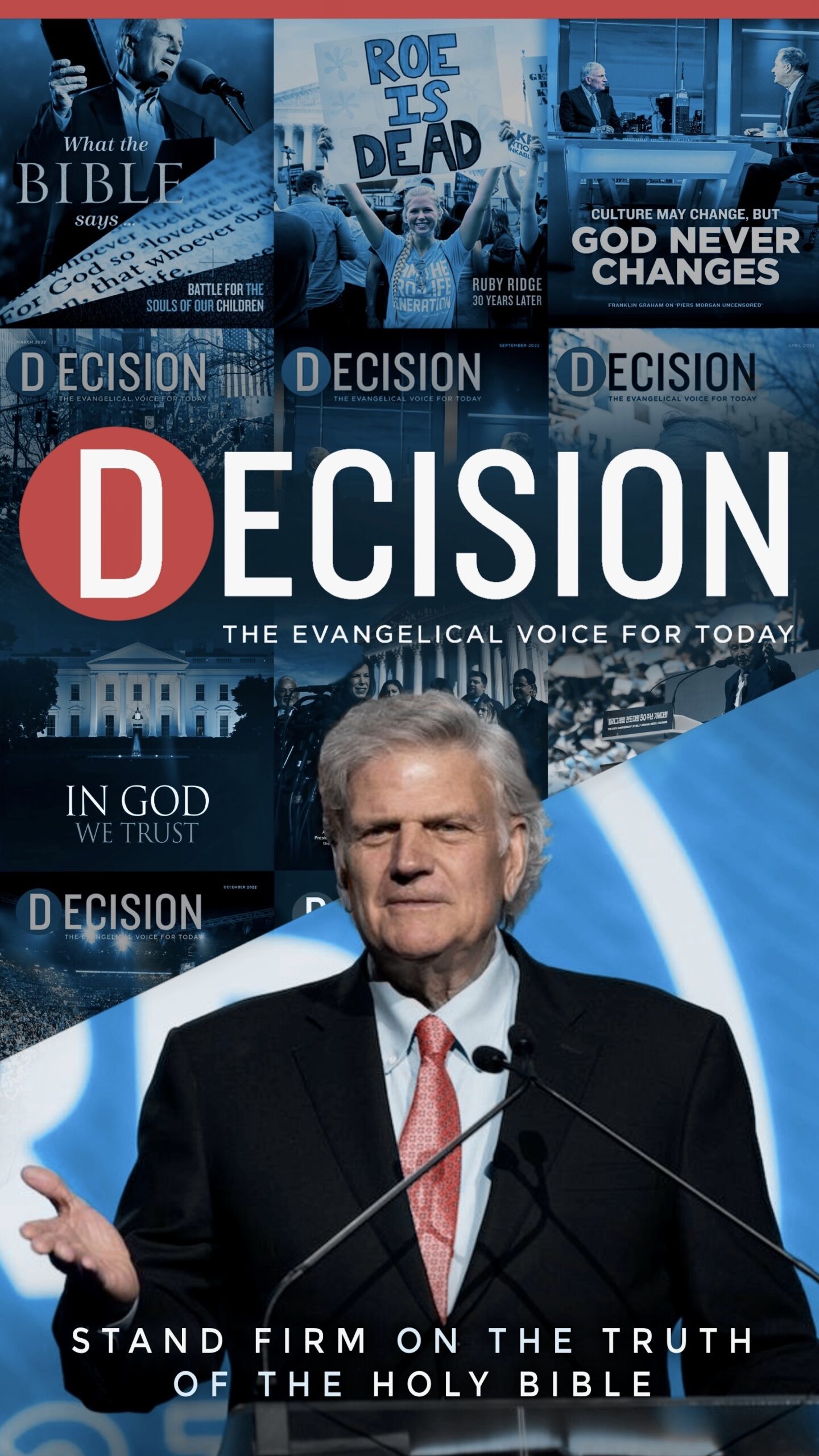
Decision

UTT

FOI

untitled artwork

Israel My Glory

Skip Heitzig

If you haven’t read Psalm 22 before and you’re only familiar with the Gospel accounts of Jesus’ crucifixion, you might read verse 1 (“My God, My God, why have You forsaken Me?”) and think, Didn’t Jesus say those words on the cross?

For the first three hours of that horrific ordeal, the words Jesus spoke were focused on others, not Himself: “Do not weep for Me, but weep for yourselves and for your children…. Father, forgive them, for they do not know what they do…. Assuredly, I say to you, today you will be with Me in Paradise” (Luke 23:28, 34, 43).

Then when the darkness covered the land, Jesus made a plaintive cry of broken fellowship. He was feeling the separation from God that sin causes, which He had never experienced before. He was so close with His Father that He even said, “I and My Father are one” (John 10:30). On the night He was betrayed, He said, “You will be scattered, each to his own, and will leave Me alone. And yet I am not alone, because the Father is with Me” (John 16:32).

But on the cross, it was different. He felt the separation because He became the sin-bearer. That’s what it felt like to have all the iniquity of the world laid on somebody sinless and perfect (see Isaiah 53:6).

Jesus endured the cross because of the holy character of God. God is so perfect that He can’t just hang out with imperfection—unless something is done to bring us together with Him. And that something was the cross of Jesus, the perfect One, who substituted Himself for all of us imperfect ones, “that we might become the righteousness of God in Him” (2 Corinthians 5:21).

You see, you and I have an imputed righteousness—a righteousness given to us, not earned by us. It’s a free gift because of the abandonment Jesus experienced on the cross.

Hebrews 12:2 says, “Who for the joy that was set before Him endured the cross, despising the shame.” Who, getting crucified, has any joy? Jesus did—He had a certain joy that enabled Him to endure that horrible, ignominious death. And you, reading this, are the joy that was set before Him. It was His joy to save you.

Now, I know that you might be feeling forsaken by God. Some experience you’ve gone through makes you feel like God has forgotten you. I just want you to know it’s a theological impossibility for God to forsake you. It cannot happen. You might be experiencing His silence, like David and Isaiah did. You might be experiencing His discipline. Every believer I’ve ever met has. You might even be experiencing His displeasure because of a particular sinful pattern in your life.

But that’s different from God forsaking you. The truth is that Jesus was forsaken so you would never be. He experienced darkness so you could have light. He experienced death, but in His death, He gave life.

The great old hymn “How Firm a Foundation” says, “The soul that on Jesus hath leaned for repose, I will not, I will not desert to his foes; that soul, though all hell should endeavor to shake, I’ll never, no, never, no, never forsake.” The reason we can sing that song is because He was forsaken.

The shameful, painful death of Jesus brought life, light, joy, and peace to the world—for all who put their faith and trust in the One who died in our place and then conquered death by resurrection. That’s what we celebrate this Easter week.

Trusted Analysis From A Biblical Worldview

Help reach the lost and equip the church with the living and active truth of God's Word in our world today.

YOU CARE ABOUT

BIBLICAL TRUTH. SO DO WE.


Together, We Can Deliver A Biblical Understanding

Of News Events Around The World.

God’s Timeline Directing Global Politics: The US-Iran MoU And The Perplexing Shift Of American Foreign Policy

That being said, this whole MoU that’s been agreed upon between the US and Iran is a complete balagan! How does a nearly defeated enemy end up in a better position than when it first went to war? It’s absurd. It’s like the Allies making it to Berlin in 1945 but stopping before a final victory, then signing an agreement that leaves the Nazi party in power. Make it make sense! I have been greatly frustrated as I’ve watched what appears to be the capitulation of the United States to Iran. But in the grand scheme, what I feel doesn’t really matter. We don’t have to like everything that we see, because we know that in many cases it has to happen.

Major Supreme Court Rulings Offer A Mixed Bag For Common-Sense Conservatives

The Court struck a major blow against transgender madness. Unfortunately, the Court went against the will of a majority of the American people in two other cases, ruling that mail-in ballots can be counted after Election Day, and shooting down President Trump’s executive order outlawing birthright citizenship. Long term, this is a potential national security risk.

untitled artwork 6391

Thomas Jefferson’s ‘Separation Of Church And State’ Never Meant Keeping God Out Of Government

In context, it’s clear this wall of separation was not created to keep religion out of the State. It was simply intended to protect religious freedom and to place boundaries on the State’s control over the Church. In fact, the United States Capitol served as a church building for seven decades and Jefferson himself was a regular attendee. He attended so faithfully that he earned a reserved seat. On the Sunday after he wrote the letter to the Danbury Baptists, he attended church services at the still-under-construction Capitol.

ABC's of Salvation

TV AD

worldview matters

Decision Magazine V AD

Decision

Jan Markell

Israel My Glory

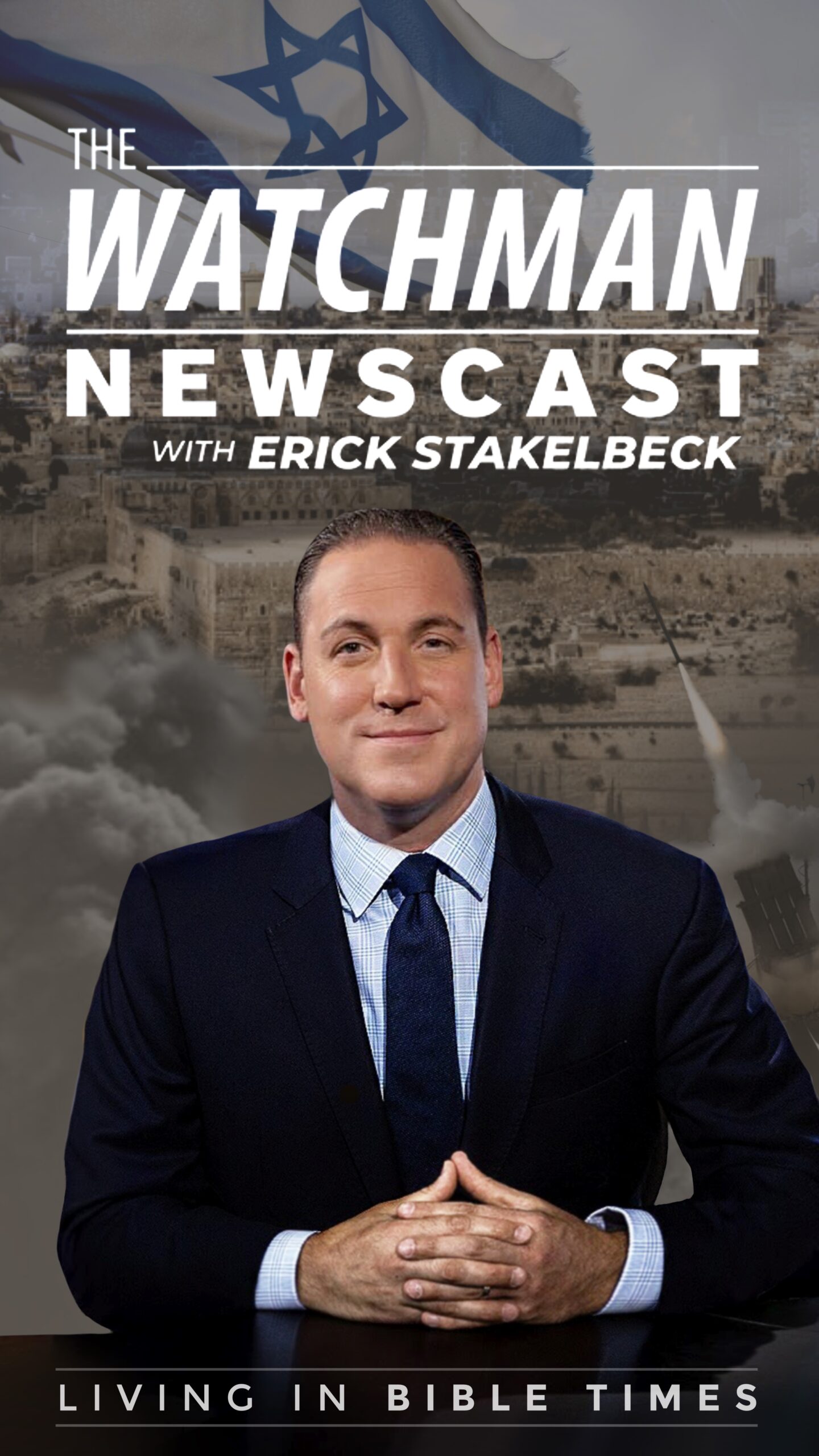
Erick Stakelbeck

untitled artwork

YOU CARE ABOUT

BIBLICAL TRUTH.

SO DO WE.

Together, We Can Deliver A Biblical Understanding Of News Events Around The World And Equip The Church To Stand With A Biblical Worldview.

untitled artwork

Israel My Glory

YOU CARE ABOUT

BIBLICAL TRUTH.

SO DO WE.


Together, We Can Deliver A Biblical Understanding Of News Events Around The World And Equip The Church To Stand With A Biblical Worldview.