
giv

Anne Graham Lotz

One day I received a call inviting me to be the keynote speaker at the leadership convention of a large, national Christian organization. When I asked why I was being invited to do this, the man on the other end of the telephone line said, “Because we know you have a heart for the Gospel.”

As I hung up the phone, I wondered to myself how the man could have made that assumption. Then I realized, of course, that it was because I was Billy Graham’s daughter. But I began soul-searching for a few days, asking God not only to enlarge my heart for the Gospel but also to help me understand more clearly just what the Gospel is. 

How would you answer if someone asked you, “What is the Gospel?” The following verses helped me to define it more clearly, to declare it more boldly and to defend it more firmly. I pray that they will help you in the same way.

DEFINING THE GOSPEL

Use one or more phrases from each of the following verses to define the Gospel: Romans 3:23; Romans 3:10; Romans 1:18; Romans 6:23; John 3:16; 1 John 1:9; Revelation 3:20; John 1:12; Ephesians 1:13; Ephesians 2:8-9; 2 Corinthians 5:17.

Read Peter’s sermon at Pentecost in Acts 2:14-36, at the temple in Acts 3:12-26 and to the religious leaders in Acts 4:8-12. Give the main points, with verses, that are the same in each sermon. How do these main points define the Gospel?

List the phrases from Luke 24:1-7 that contain these same points.

Write in your own words a definition of the Gospel for someone who has never heard it.

DECLARING THE GOSPEL

Why was Paul obligated to declare the Gospel? Compare Romans 1:14 to 1 Timothy 1:12-16. To whom did he declare it in Romans 1:16? Is anyone excluded from it? Support your answer with phrases from John 3:16 and Acts 4:12.

Judging from Romans 1:15-16 and 2 Timothy 1:8-12, what was Paul’s attitude about declaring the Gospel?

What was Peter’s attitude about declaring the Gospel in Acts 4:20?

What was the attitude of the early Christians toward declaring the Gospel, in Acts 4:18-31 and Acts 5:40-42.

How does Paul describe you and me in 2 Corinthians 5:20?

What is your attitude toward declaring the Gospel? 

Pinpoint the time, the place and the person with whom you last shared the Gospel. Pray now and ask God to give you the opportunity this week to define and to declare the Gospel to someone who doesn’t know it.

As you pray and look for opportunities to share the Gospel, what encouragement do you receive from the promises in Luke 21:15 and 2 Thessalonians 2:16-17?

DEFENDING THE GOSPEL

How does Jude 3 challenge us to defend the Gospel?

Why is this defense necessary, according to Jude 4 and 18?

How does Paul challenge us in 2 Timothy 1:13-14 to defend the Gospel?

What warning do we need to heed in Galatians 1:3-9?

What are some “other gospels” being preached today?

How do we defend the Gospel, according to Ephesians 6:10-18?

Why is sharing the Gospel so difficult? See 1 Corinthians 1:23; 2 Timothy 4:3-5; Ephesians 6:12; and 1 Peter 5:8.

What is our Lord’s command in Mark 16:15? Is obedience optional?

Read 1 John 4:4-6 and 1 John 5:3-5. From these passages, what promises does God give to those who are obedient? What insights? What encouragement? 

In an increasingly secular, woke culture, what will you do to define, to declare and to defend the Gospel of Jesus Christ?


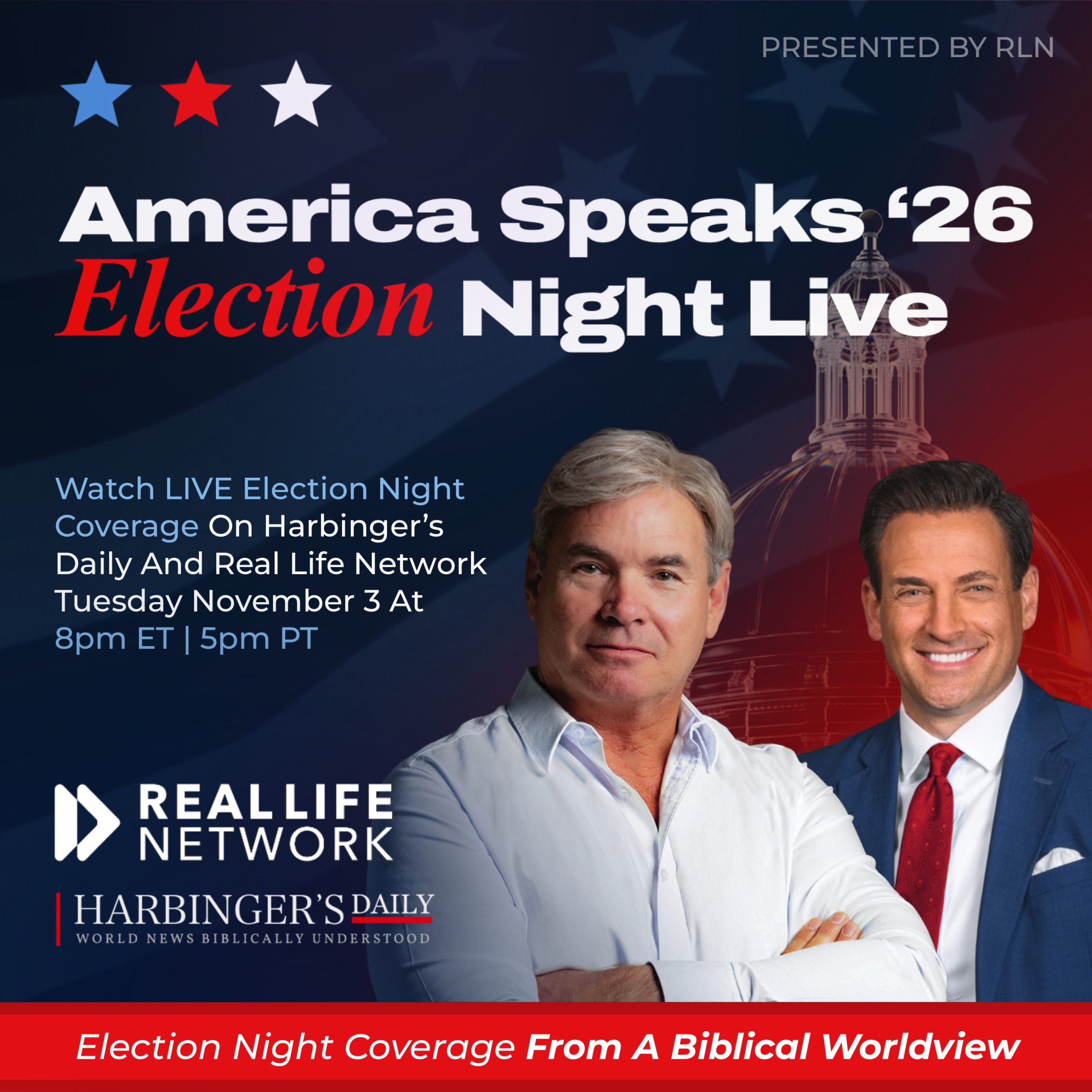
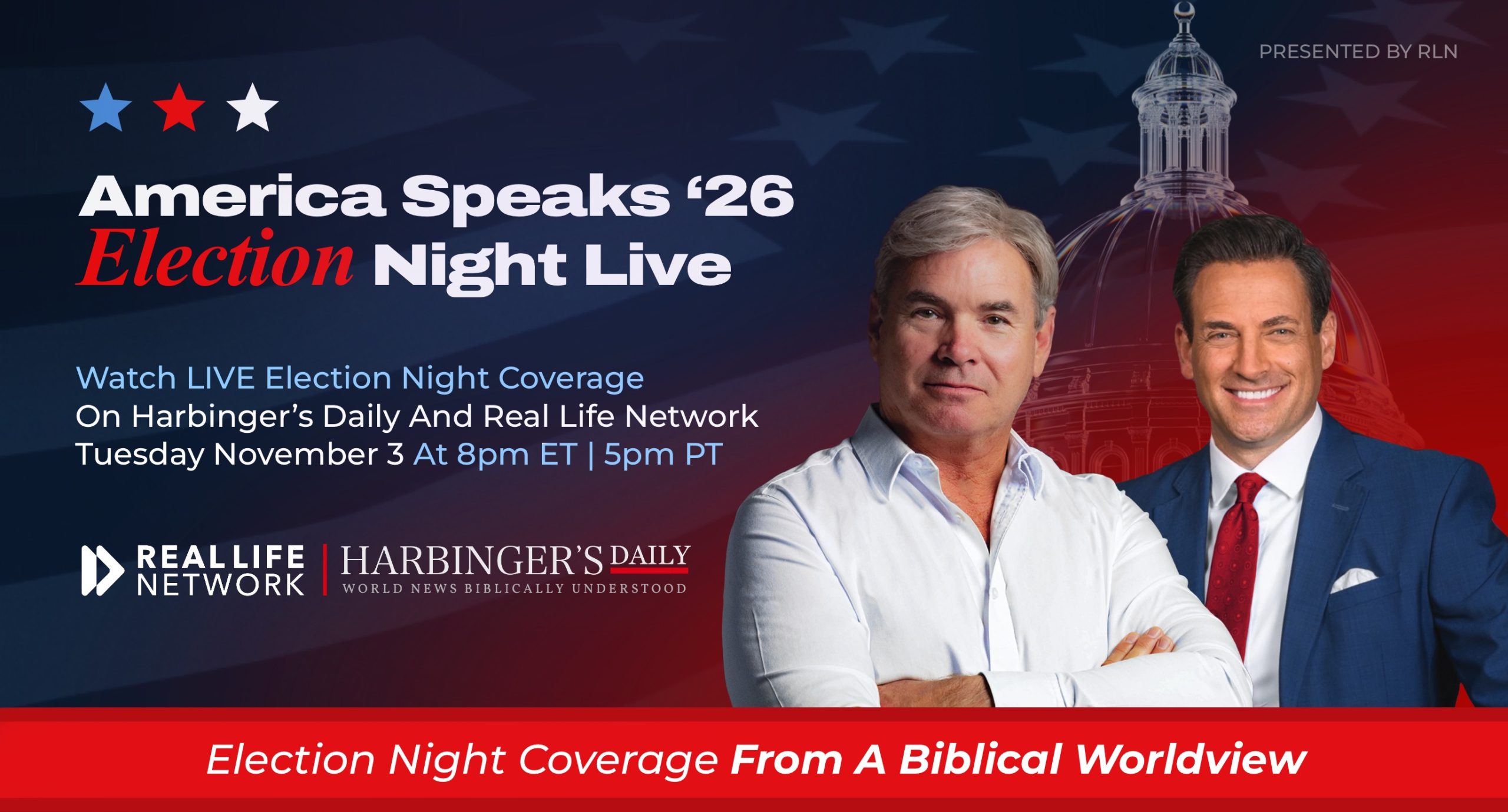
Watch LIVE Election Night Coverage Tuesday, November 3 at 8 pm ET | 5 pm PT

Election Night Coverage From A Biblical Worldview 

SIGN UP FREE FOR REAL LIFE NETWORK 

Stream Real Life Network directly from your TV. Available on all major smart TVs, mobile devices, and streaming platforms.

Stream Real Life Network directly from your TV. Available on all major smart TVs, mobile devices, and streaming platforms.

SIGN UP FREE FOR REAL LIFE NETWORK 

Stream Real Life Network directly from your TV. Available on all major smart TVs, mobile devices, and streaming platforms.

Stream Real Life Network directly from your TV. Available on all major smart TVs, mobile devices, and streaming platforms.

November 4, 2026

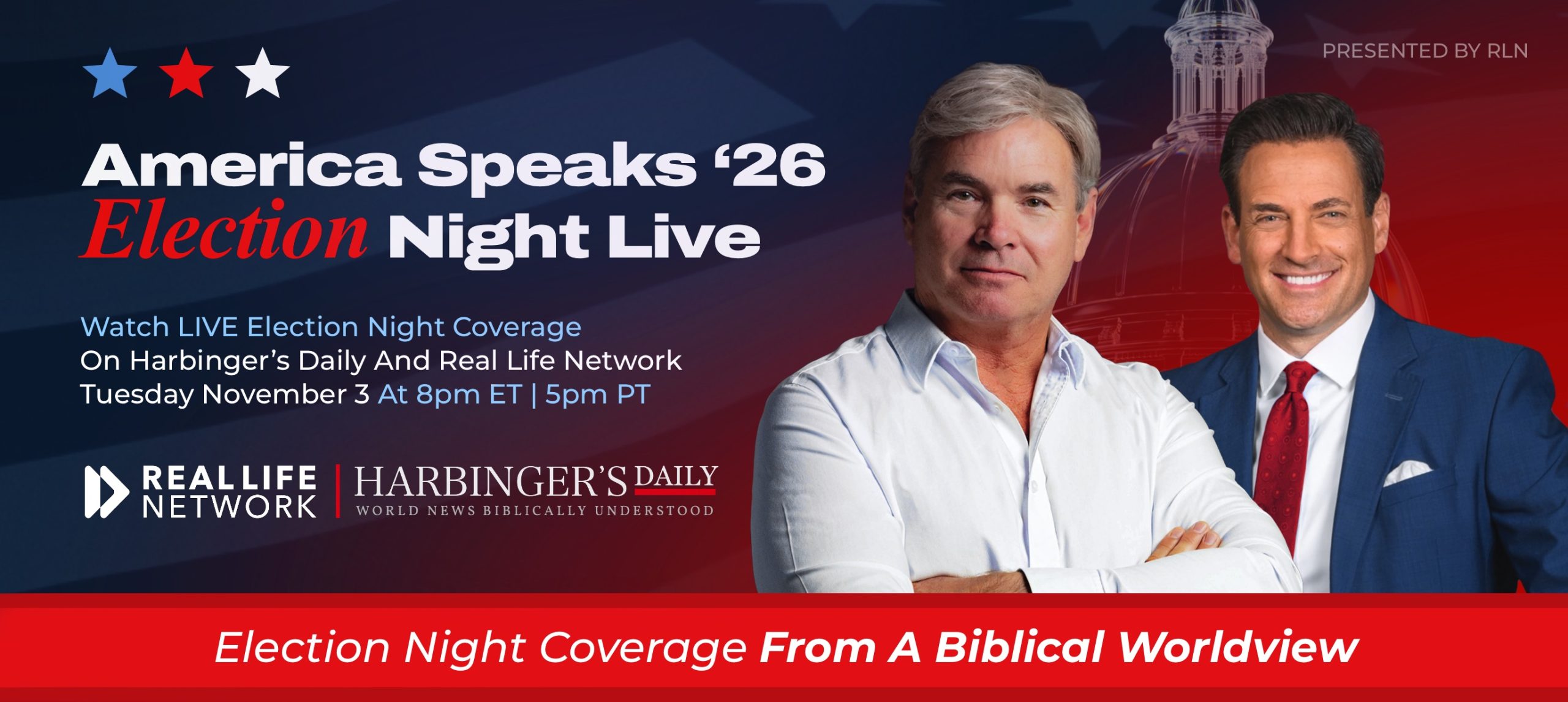
Watch LIVE Election Night Coverage Tuesday, November 3 at 8 pm ET | 5 pm PT

Election Night Coverage From A Biblical Worldview 

Stream Real Life Network for free directly on your TV. Available on all major smart TVs, mobile devices, and streaming platforms.

Stream Real Life Network directly from your TV. Available on all major smart TVs, mobile devices, and streaming platforms.

November, 4, 2026

untitled artwork

untitled artwork

World news biblically understood

TRENDING:

Anne Graham Lotz: Bible Study — Defining, Declaring, And Defending The Gospel

Anne Graham Lotz

One day I received a call inviting me to be the keynote speaker at the leadership convention of a large, national Christian organization. When I asked why I was being invited to do this, the man on the other end of the telephone line said, “Because we know you have a heart for the Gospel.”

As I hung up the phone, I wondered to myself how the man could have made that assumption. Then I realized, of course, that it was because I was Billy Graham’s daughter. But I began soul-searching for a few days, asking God not only to enlarge my heart for the Gospel but also to help me understand more clearly just what the Gospel is. 

How would you answer if someone asked you, “What is the Gospel?” The following verses helped me to define it more clearly, to declare it more boldly and to defend it more firmly. I pray that they will help you in the same way.

DEFINING THE GOSPEL

Use one or more phrases from each of the following verses to define the Gospel: Romans 3:23; Romans 3:10; Romans 1:18; Romans 6:23; John 3:16; 1 John 1:9; Revelation 3:20; John 1:12; Ephesians 1:13; Ephesians 2:8-9; 2 Corinthians 5:17.

Read Peter’s sermon at Pentecost in Acts 2:14-36, at the temple in Acts 3:12-26 and to the religious leaders in Acts 4:8-12. Give the main points, with verses, that are the same in each sermon. How do these main points define the Gospel?

List the phrases from Luke 24:1-7 that contain these same points.

Write in your own words a definition of the Gospel for someone who has never heard it.

DECLARING THE GOSPEL

Why was Paul obligated to declare the Gospel? Compare Romans 1:14 to 1 Timothy 1:12-16. To whom did he declare it in Romans 1:16? Is anyone excluded from it? Support your answer with phrases from John 3:16 and Acts 4:12.

Judging from Romans 1:15-16 and 2 Timothy 1:8-12, what was Paul’s attitude about declaring the Gospel?

What was Peter’s attitude about declaring the Gospel in Acts 4:20?

What was the attitude of the early Christians toward declaring the Gospel, in Acts 4:18-31 and Acts 5:40-42.

How does Paul describe you and me in 2 Corinthians 5:20?

What is your attitude toward declaring the Gospel? 

Pinpoint the time, the place and the person with whom you last shared the Gospel. Pray now and ask God to give you the opportunity this week to define and to declare the Gospel to someone who doesn’t know it.

As you pray and look for opportunities to share the Gospel, what encouragement do you receive from the promises in Luke 21:15 and 2 Thessalonians 2:16-17?

DEFENDING THE GOSPEL

How does Jude 3 challenge us to defend the Gospel?

Why is this defense necessary, according to Jude 4 and 18?

How does Paul challenge us in 2 Timothy 1:13-14 to defend the Gospel?

What warning do we need to heed in Galatians 1:3-9?

What are some “other gospels” being preached today?

How do we defend the Gospel, according to Ephesians 6:10-18?

Why is sharing the Gospel so difficult? See 1 Corinthians 1:23; 2 Timothy 4:3-5; Ephesians 6:12; and 1 Peter 5:8.

What is our Lord’s command in Mark 16:15? Is obedience optional?

Read 1 John 4:4-6 and 1 John 5:3-5. From these passages, what promises does God give to those who are obedient? What insights? What encouragement? 

In an increasingly secular, woke culture, what will you do to define, to declare and to defend the Gospel of Jesus Christ?

Billy Graham: Voting Is A ‘God-Given Responsibility,’ And A Means To ‘Drive Back The Forces Of Evil’   

In the United States, Christians have the right to vote. “Millions [of people around] the world,” Billy Graham once reminded us, “do not know the meaning of this freedom.” At the voting booth, believers can support leaders who are committed to serving the public and standing for the unchanging truths found in God’s Word. Yet this freedom often goes unused. While turnout changes from one election to the next, research suggested that more than 40 percent of Christians did not vote in the last election. Throughout his life, Billy Graham encouraged believers to make their voices heard in politics. “The Bible plainly teaches that we are to participate in good citizenship and that we are to respect men in authority,” he said, “and we are to pray for those who govern us.” The evangelist considered voting a “God-given responsibility,” a means to “drive back the forces of evil.”

Why Christians Have A Biblical Responsibility To Participate In The Political Process

With the 2026 midterm elections just days away, millions of Americans are preparing to cast their ballots in an election that will have significant implications for the nation’s future. With control of Congress hanging in the balance, voters will help determine the legislative agenda and political trajectory of the next two years. For Christians, the election raises questions that go beyond political parties, candidates, and policy preferences. Is voting merely a civic privilege, or does Scripture provide a theological framework for understanding it as an act of stewardship and love of neighbor? And what role should pastors and churches play in equipping believers to exercise this responsibility faithfully? As Americans prepare to head to the polls next Tuesday, these questions invite us to consider a more fundamental issue: whether Christians have a Biblical responsibility to participate in the political process.

sign up

The Church Cannot Remain Silent On Biblical Matters Because They Have Been Declared ‘Political’

Jesus called His followers the salt of the earth and the light of the world. Neither image suggests withdrawal. Both describe engagement that makes a difference. So the issue is not whether the church should become political. It is whether Christians will remain biblical when biblical truth has political consequences. Our calling is neither to become the mouthpiece of a party nor to retreat into silence. It is to stand on God’s word, defend what is right, confront what is wrong, and speak with courage — even when the culture would rather we remain silent.

ABC's of Salvation

Decision

christ in prophecy

christ in prophecy

Decision

untitled artwork

Israel My Glory

Anne Graham Lotz

One day I received a call inviting me to be the keynote speaker at the leadership convention of a large, national Christian organization. When I asked why I was being invited to do this, the man on the other end of the telephone line said, “Because we know you have a heart for the Gospel.”

As I hung up the phone, I wondered to myself how the man could have made that assumption. Then I realized, of course, that it was because I was Billy Graham’s daughter. But I began soul-searching for a few days, asking God not only to enlarge my heart for the Gospel but also to help me understand more clearly just what the Gospel is. 

How would you answer if someone asked you, “What is the Gospel?” The following verses helped me to define it more clearly, to declare it more boldly and to defend it more firmly. I pray that they will help you in the same way.

DEFINING THE GOSPEL

Use one or more phrases from each of the following verses to define the Gospel: Romans 3:23; Romans 3:10; Romans 1:18; Romans 6:23; John 3:16; 1 John 1:9; Revelation 3:20; John 1:12; Ephesians 1:13; Ephesians 2:8-9; 2 Corinthians 5:17.

Read Peter’s sermon at Pentecost in Acts 2:14-36, at the temple in Acts 3:12-26 and to the religious leaders in Acts 4:8-12. Give the main points, with verses, that are the same in each sermon. How do these main points define the Gospel?

List the phrases from Luke 24:1-7 that contain these same points.

Write in your own words a definition of the Gospel for someone who has never heard it.

DECLARING THE GOSPEL

Why was Paul obligated to declare the Gospel? Compare Romans 1:14 to 1 Timothy 1:12-16. To whom did he declare it in Romans 1:16? Is anyone excluded from it? Support your answer with phrases from John 3:16 and Acts 4:12.

Judging from Romans 1:15-16 and 2 Timothy 1:8-12, what was Paul’s attitude about declaring the Gospel?

What was Peter’s attitude about declaring the Gospel in Acts 4:20?

What was the attitude of the early Christians toward declaring the Gospel, in Acts 4:18-31 and Acts 5:40-42.

How does Paul describe you and me in 2 Corinthians 5:20?

What is your attitude toward declaring the Gospel? 

Pinpoint the time, the place and the person with whom you last shared the Gospel. Pray now and ask God to give you the opportunity this week to define and to declare the Gospel to someone who doesn’t know it.

As you pray and look for opportunities to share the Gospel, what encouragement do you receive from the promises in Luke 21:15 and 2 Thessalonians 2:16-17?

DEFENDING THE GOSPEL

How does Jude 3 challenge us to defend the Gospel?

Why is this defense necessary, according to Jude 4 and 18?

How does Paul challenge us in 2 Timothy 1:13-14 to defend the Gospel?

What warning do we need to heed in Galatians 1:3-9?

What are some “other gospels” being preached today?

How do we defend the Gospel, according to Ephesians 6:10-18?

Why is sharing the Gospel so difficult? See 1 Corinthians 1:23; 2 Timothy 4:3-5; Ephesians 6:12; and 1 Peter 5:8.

What is our Lord’s command in Mark 16:15? Is obedience optional?

Read 1 John 4:4-6 and 1 John 5:3-5. From these passages, what promises does God give to those who are obedient? What insights? What encouragement? 

In an increasingly secular, woke culture, what will you do to define, to declare and to defend the Gospel of Jesus Christ?

Trusted Analysis From A Biblical Worldview

Help reach the lost and equip the church with the living and active truth of God's Word in our world today.

YOU CARE ABOUT

BIBLICAL TRUTH. SO DO WE.


Together, We Can Deliver A Biblical Understanding

Of News Events Around The World.

Billy Graham: Voting Is A ‘God-Given Responsibility,’ And A Means To ‘Drive Back The Forces Of Evil’   

In the United States, Christians have the right to vote. “Millions [of people around] the world,” Billy Graham once reminded us, “do not know the meaning of this freedom.” At the voting booth, believers can support leaders who are committed to serving the public and standing for the unchanging truths found in God’s Word. Yet this freedom often goes unused. While turnout changes from one election to the next, research suggested that more than 40 percent of Christians did not vote in the last election. Throughout his life, Billy Graham encouraged believers to make their voices heard in politics. “The Bible plainly teaches that we are to participate in good citizenship and that we are to respect men in authority,” he said, “and we are to pray for those who govern us.” The evangelist considered voting a “God-given responsibility,” a means to “drive back the forces of evil.”

Why Christians Have A Biblical Responsibility To Participate In The Political Process

With the 2026 midterm elections just days away, millions of Americans are preparing to cast their ballots in an election that will have significant implications for the nation’s future. With control of Congress hanging in the balance, voters will help determine the legislative agenda and political trajectory of the next two years. For Christians, the election raises questions that go beyond political parties, candidates, and policy preferences. Is voting merely a civic privilege, or does Scripture provide a theological framework for understanding it as an act of stewardship and love of neighbor? And what role should pastors and churches play in equipping believers to exercise this responsibility faithfully? As Americans prepare to head to the polls next Tuesday, these questions invite us to consider a more fundamental issue: whether Christians have a Biblical responsibility to participate in the political process.

untitled artwork 6391

The Church Cannot Remain Silent On Biblical Matters Because They Have Been Declared ‘Political’

Jesus called His followers the salt of the earth and the light of the world. Neither image suggests withdrawal. Both describe engagement that makes a difference. So the issue is not whether the church should become political. It is whether Christians will remain biblical when biblical truth has political consequences. Our calling is neither to become the mouthpiece of a party nor to retreat into silence. It is to stand on God’s word, defend what is right, confront what is wrong, and speak with courage — even when the culture would rather we remain silent.

ABC's of Salvation

TV AD

worldview matters

Decision Magazine V AD

Decision

Jan Markell

Israel My Glory

Erick Stakelbeck

untitled artwork

YOU CARE ABOUT

BIBLICAL TRUTH.

SO DO WE.

Together, We Can Deliver A Biblical Understanding Of News Events Around The World And Equip The Church To Stand With A Biblical Worldview.

untitled artwork

Israel My Glory

YOU CARE ABOUT

BIBLICAL TRUTH.

SO DO WE.


Together, We Can Deliver A Biblical Understanding Of News Events Around The World And Equip The Church To Stand With A Biblical Worldview.