giv

Proverbs 20:23 says, “The Lord detests double standards. He is not pleased by dishonest scales.”  The Bible has much to say about economic honesty and the government’s responsibility to uphold just standards. That’s why I welcome this week’s report from the office of the Comptroller of the Currency (OCC), one of America’s principal banking regulators.

The report, “Guaranteeing Fair Banking for All Americans,” found that the nation’s nine largest banks maintained policies that restricted banking services based on customers’ religious or political beliefs. In other words, Americans could be debanked because of what they believed.

Family Research Council was among the organizations affected. Banks frequently justified such decisions by citing reputational risk. Apparently, doing business with pro-life organizations or religious groups that believe marriage is between a man and a woman was considered a threat to their reputation.

These practices just happened to overlap with the Biden administration, which also pressured social media platforms to cancel critics of the administration. Was this simply ideological conformity in corporate America, or did government pressure play a role? That question deserves investigation. And guess whose name surfaced in the report? The Southern Poverty Law Center (SPLC).

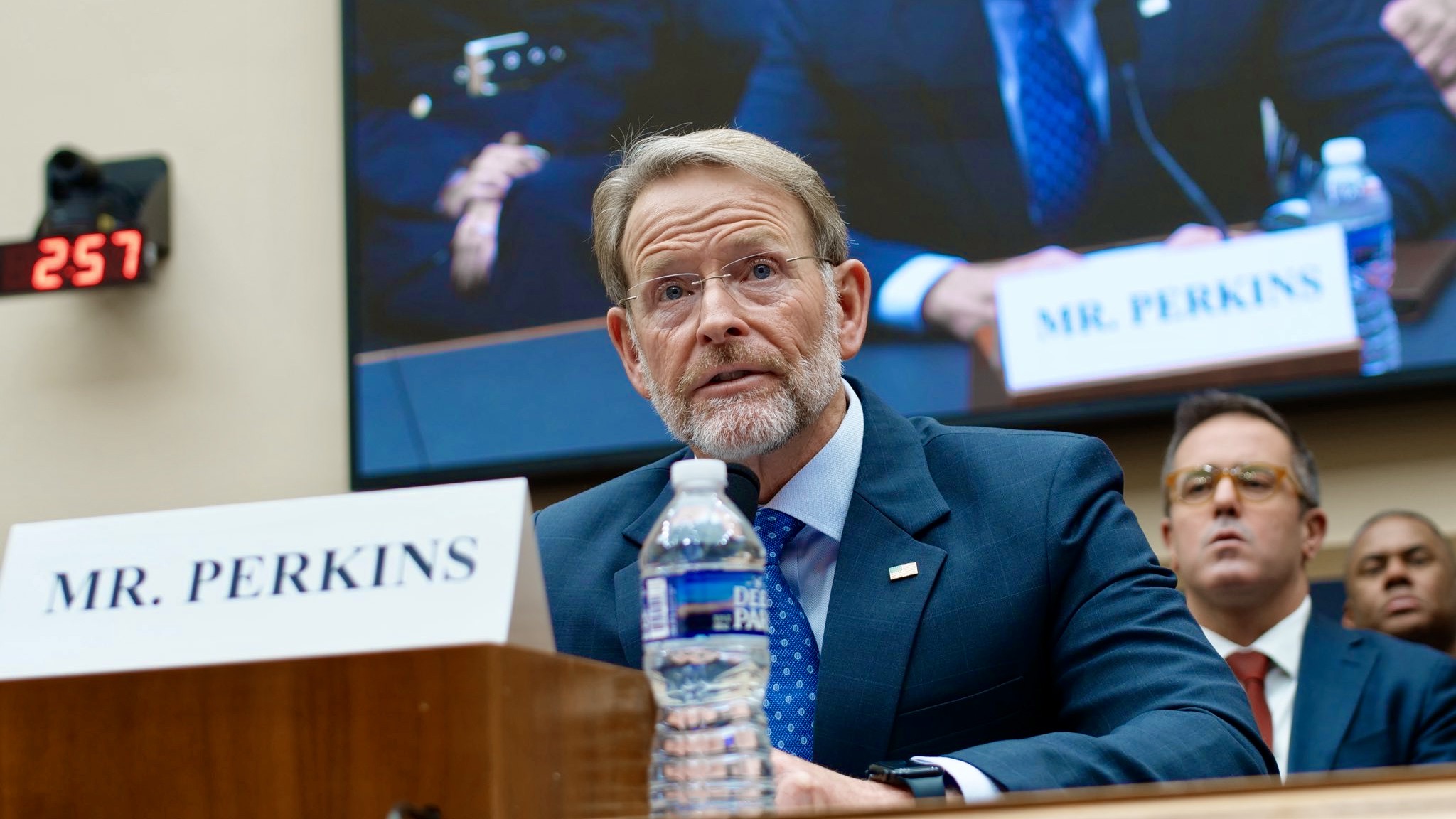
Banks referenced the SPLC’s “hate group” designations in assessing customers. Earlier this year, I testified before the House Judiciary Committee about the SPLC’s efforts to pressure financial institutions to debank Christian and conservative organizations. Now, federal regulators have documented how the banks willingly complied with the SPLC.

But here’s where the story takes an extraordinary turn.

Just one day before the OCC released its report, the Treasury Department announced $1.2 billion in penalties against Bank of America, the third-largest penalty in Treasury Department history. The bank failed to properly monitor and report more than $5 billion in suspicious financial activity, including transactions that raised serious money laundering concerns. Regulators described their compliance program as deficient and ineffective.

Think about that. Some of the country’s largest banks scrutinized lawful Americans for their religious and political beliefs, while some failed to monitor billions of dollars in potentially illicit transactions — which was required to be monitored by law. That’s quite a double standard.

Now, these are separate regulatory findings. They don’t prove the bank neglected financial crime because it was focused on conservative customers. But together, they raise a fundamental question about institutional priorities. Banks should be concerned about their reputations — but reputations are built on integrity, not ideological conformity. If these institutions want to protect their reputations, they should spend less time policing the beliefs of law-abiding Americans and more time policing the financial activity they’re legally obligated to monitor.

Government regulators must also ensure lawful consumers are treated fairly, regardless of their convictions.

Scripture tells us the Lord detests dishonest scales. Americans should reject a banking system that holds its customers to one standard and itself to another. I want a bank that will safeguard my money, not weigh my religious beliefs on a biased scale.


Watch LIVE Election Night Coverage Tuesday, November 3 at 8 pm ET | 5 pm PT

Election Night Coverage From A Biblical Worldview 

SIGN UP FREE FOR REAL LIFE NETWORK 

Stream Real Life Network directly from your TV. Available on all major smart TVs, mobile devices, and streaming platforms.

Stream Real Life Network directly from your TV. Available on all major smart TVs, mobile devices, and streaming platforms.

SIGN UP FREE FOR REAL LIFE NETWORK 

Stream Real Life Network directly from your TV. Available on all major smart TVs, mobile devices, and streaming platforms.

Stream Real Life Network directly from your TV. Available on all major smart TVs, mobile devices, and streaming platforms.

November 3, 2026

Watch LIVE Election Night Coverage Tuesday, November 3 at 8 pm ET | 5 pm PT

Election Night Coverage From A Biblical Worldview 

Stream Real Life Network for free directly on your TV. Available on all major smart TVs, mobile devices, and streaming platforms.

Stream Real Life Network directly from your TV. Available on all major smart TVs, mobile devices, and streaming platforms.

November, 3, 2026

untitled artwork

untitled artwork

World news biblically understood

TRENDING:

America’s Largest Banks Should Be Concerned About Rebuilding Their Reputations… On Integrity, Not Ideological Conformity

Proverbs 20:23 says, “The Lord detests double standards. He is not pleased by dishonest scales.”  The Bible has much to say about economic honesty and the government’s responsibility to uphold just standards. That’s why I welcome this week’s report from the office of the Comptroller of the Currency (OCC), one of America’s principal banking regulators.

The report, “Guaranteeing Fair Banking for All Americans,” found that the nation’s nine largest banks maintained policies that restricted banking services based on customers’ religious or political beliefs. In other words, Americans could be debanked because of what they believed.

Family Research Council was among the organizations affected. Banks frequently justified such decisions by citing reputational risk. Apparently, doing business with pro-life organizations or religious groups that believe marriage is between a man and a woman was considered a threat to their reputation.

These practices just happened to overlap with the Biden administration, which also pressured social media platforms to cancel critics of the administration. Was this simply ideological conformity in corporate America, or did government pressure play a role? That question deserves investigation. And guess whose name surfaced in the report? The Southern Poverty Law Center (SPLC).

Banks referenced the SPLC’s “hate group” designations in assessing customers. Earlier this year, I testified before the House Judiciary Committee about the SPLC’s efforts to pressure financial institutions to debank Christian and conservative organizations. Now, federal regulators have documented how the banks willingly complied with the SPLC.

But here’s where the story takes an extraordinary turn.

Just one day before the OCC released its report, the Treasury Department announced $1.2 billion in penalties against Bank of America, the third-largest penalty in Treasury Department history. The bank failed to properly monitor and report more than $5 billion in suspicious financial activity, including transactions that raised serious money laundering concerns. Regulators described their compliance program as deficient and ineffective.

Think about that. Some of the country’s largest banks scrutinized lawful Americans for their religious and political beliefs, while some failed to monitor billions of dollars in potentially illicit transactions — which was required to be monitored by law. That’s quite a double standard.

Now, these are separate regulatory findings. They don’t prove the bank neglected financial crime because it was focused on conservative customers. But together, they raise a fundamental question about institutional priorities. Banks should be concerned about their reputations — but reputations are built on integrity, not ideological conformity. If these institutions want to protect their reputations, they should spend less time policing the beliefs of law-abiding Americans and more time policing the financial activity they’re legally obligated to monitor.

Government regulators must also ensure lawful consumers are treated fairly, regardless of their convictions.

Scripture tells us the Lord detests dishonest scales. Americans should reject a banking system that holds its customers to one standard and itself to another. I want a bank that will safeguard my money, not weigh my religious beliefs on a biased scale.

Billy Graham: Voting Is A ‘God-Given Responsibility,’ And A Means To ‘Drive Back The Forces Of Evil’   

In the United States, Christians have the right to vote. “Millions [of people around] the world,” Billy Graham once reminded us, “do not know the meaning of this freedom.” At the voting booth, believers can support leaders who are committed to serving the public and standing for the unchanging truths found in God’s Word. Yet this freedom often goes unused. While turnout changes from one election to the next, research suggested that more than 40 percent of Christians did not vote in the last election. Throughout his life, Billy Graham encouraged believers to make their voices heard in politics. “The Bible plainly teaches that we are to participate in good citizenship and that we are to respect men in authority,” he said, “and we are to pray for those who govern us.” The evangelist considered voting a “God-given responsibility,” a means to “drive back the forces of evil.”

Why Christians Have A Biblical Responsibility To Participate In The Political Process

With the 2026 midterm elections just days away, millions of Americans are preparing to cast their ballots in an election that will have significant implications for the nation’s future. With control of Congress hanging in the balance, voters will help determine the legislative agenda and political trajectory of the next two years. For Christians, the election raises questions that go beyond political parties, candidates, and policy preferences. Is voting merely a civic privilege, or does Scripture provide a theological framework for understanding it as an act of stewardship and love of neighbor? And what role should pastors and churches play in equipping believers to exercise this responsibility faithfully? As Americans prepare to head to the polls next Tuesday, these questions invite us to consider a more fundamental issue: whether Christians have a Biblical responsibility to participate in the political process.

sign up

The Church Cannot Remain Silent On Biblical Matters Because They Have Been Declared ‘Political’

Jesus called His followers the salt of the earth and the light of the world. Neither image suggests withdrawal. Both describe engagement that makes a difference. So the issue is not whether the church should become political. It is whether Christians will remain biblical when biblical truth has political consequences. Our calling is neither to become the mouthpiece of a party nor to retreat into silence. It is to stand on God’s word, defend what is right, confront what is wrong, and speak with courage — even when the culture would rather we remain silent.

ABC's of Salvation

Decision

christ in prophecy

christ in prophecy

Decision

untitled artwork

Israel My Glory

Proverbs 20:23 says, “The Lord detests double standards. He is not pleased by dishonest scales.”  The Bible has much to say about economic honesty and the government’s responsibility to uphold just standards. That’s why I welcome this week’s report from the office of the Comptroller of the Currency (OCC), one of America’s principal banking regulators.

The report, “Guaranteeing Fair Banking for All Americans,” found that the nation’s nine largest banks maintained policies that restricted banking services based on customers’ religious or political beliefs. In other words, Americans could be debanked because of what they believed.

Family Research Council was among the organizations affected. Banks frequently justified such decisions by citing reputational risk. Apparently, doing business with pro-life organizations or religious groups that believe marriage is between a man and a woman was considered a threat to their reputation.

These practices just happened to overlap with the Biden administration, which also pressured social media platforms to cancel critics of the administration. Was this simply ideological conformity in corporate America, or did government pressure play a role? That question deserves investigation. And guess whose name surfaced in the report? The Southern Poverty Law Center (SPLC).

Banks referenced the SPLC’s “hate group” designations in assessing customers. Earlier this year, I testified before the House Judiciary Committee about the SPLC’s efforts to pressure financial institutions to debank Christian and conservative organizations. Now, federal regulators have documented how the banks willingly complied with the SPLC.

But here’s where the story takes an extraordinary turn.

Just one day before the OCC released its report, the Treasury Department announced $1.2 billion in penalties against Bank of America, the third-largest penalty in Treasury Department history. The bank failed to properly monitor and report more than $5 billion in suspicious financial activity, including transactions that raised serious money laundering concerns. Regulators described their compliance program as deficient and ineffective.

Think about that. Some of the country’s largest banks scrutinized lawful Americans for their religious and political beliefs, while some failed to monitor billions of dollars in potentially illicit transactions — which was required to be monitored by law. That’s quite a double standard.

Now, these are separate regulatory findings. They don’t prove the bank neglected financial crime because it was focused on conservative customers. But together, they raise a fundamental question about institutional priorities. Banks should be concerned about their reputations — but reputations are built on integrity, not ideological conformity. If these institutions want to protect their reputations, they should spend less time policing the beliefs of law-abiding Americans and more time policing the financial activity they’re legally obligated to monitor.

Government regulators must also ensure lawful consumers are treated fairly, regardless of their convictions.

Scripture tells us the Lord detests dishonest scales. Americans should reject a banking system that holds its customers to one standard and itself to another. I want a bank that will safeguard my money, not weigh my religious beliefs on a biased scale.


Trusted Analysis From A Biblical Worldview

Help reach the lost and equip the church with the living and active truth of God's Word in our world today.

YOU CARE ABOUT

BIBLICAL TRUTH. SO DO WE.


Together, We Can Deliver A Biblical Understanding

Of News Events Around The World.

Billy Graham: Voting Is A ‘God-Given Responsibility,’ And A Means To ‘Drive Back The Forces Of Evil’   

In the United States, Christians have the right to vote. “Millions [of people around] the world,” Billy Graham once reminded us, “do not know the meaning of this freedom.” At the voting booth, believers can support leaders who are committed to serving the public and standing for the unchanging truths found in God’s Word. Yet this freedom often goes unused. While turnout changes from one election to the next, research suggested that more than 40 percent of Christians did not vote in the last election. Throughout his life, Billy Graham encouraged believers to make their voices heard in politics. “The Bible plainly teaches that we are to participate in good citizenship and that we are to respect men in authority,” he said, “and we are to pray for those who govern us.” The evangelist considered voting a “God-given responsibility,” a means to “drive back the forces of evil.”

Why Christians Have A Biblical Responsibility To Participate In The Political Process

With the 2026 midterm elections just days away, millions of Americans are preparing to cast their ballots in an election that will have significant implications for the nation’s future. With control of Congress hanging in the balance, voters will help determine the legislative agenda and political trajectory of the next two years. For Christians, the election raises questions that go beyond political parties, candidates, and policy preferences. Is voting merely a civic privilege, or does Scripture provide a theological framework for understanding it as an act of stewardship and love of neighbor? And what role should pastors and churches play in equipping believers to exercise this responsibility faithfully? As Americans prepare to head to the polls next Tuesday, these questions invite us to consider a more fundamental issue: whether Christians have a Biblical responsibility to participate in the political process.

untitled artwork 6391

The Church Cannot Remain Silent On Biblical Matters Because They Have Been Declared ‘Political’

Jesus called His followers the salt of the earth and the light of the world. Neither image suggests withdrawal. Both describe engagement that makes a difference. So the issue is not whether the church should become political. It is whether Christians will remain biblical when biblical truth has political consequences. Our calling is neither to become the mouthpiece of a party nor to retreat into silence. It is to stand on God’s word, defend what is right, confront what is wrong, and speak with courage — even when the culture would rather we remain silent.

ABC's of Salvation

TV AD

worldview matters

Decision Magazine V AD

Decision

Jan Markell

Israel My Glory

Erick Stakelbeck

untitled artwork

YOU CARE ABOUT

BIBLICAL TRUTH.

SO DO WE.

Together, We Can Deliver A Biblical Understanding Of News Events Around The World And Equip The Church To Stand With A Biblical Worldview.

untitled artwork

Israel My Glory

YOU CARE ABOUT

BIBLICAL TRUTH.

SO DO WE.


Together, We Can Deliver A Biblical Understanding Of News Events Around The World And Equip The Church To Stand With A Biblical Worldview.