



November 3, 2026

November, 3, 2026
November 3, 2026

give

untitled artwork

untitled artwork

World news biblically understood

TRENDING:

9th Circuit Upholds California COVID Restriction Against Home Bible Studies

There have been very few silver linings to the COVID-19 pandemic, unless you consider the rash of religious freedom lawsuits and court decisions protecting religious activity from government discrimination a net benefit to our country’s overall constitutional health.

But this benefit, if it is truly a lasting outgrowth of the pandemic, continues to suffer the growing pains associated with inconsistent court decisions and the varying philosophies of different state legislatures. For example, in California, which has seen multiple federal lawsuits – and some victories – regarding houses of worship, the 9th U.S. Circuit Court of Appeals recently – and disappointingly – upheld the state’s restrictions on in-home gatherings, including Bible studies and communal worship activities involving more than three households.

In the California case, several individuals argued that state and county restrictions treated religion differently than analogous secular businesses conducted in small spaces, such as hair salons, barber shops and tattoo parlors. In a 2-1 decision, the 9th Circuit rejected their arguments, essentially ruling that those businesses were not analogous, and only other in-home activities could be considered similar types of activities for the sake of comparison. And since all in-home activities were treated the same under the law, the majority opinion reasoned, the law was “neutral and generally applicable” and did not target religion for unequal treatment.

In dissent, however, Judge Patrick Bumatay, a 2019 appointment to the court, was highly critical of the majority’s failure to apply recent decisions of the U.S. Supreme Court on this very issue, including a couple dealing with California’s COVID restrictions as they applied to houses of worship.

“The purpose of the Constitution was to place certain freedoms beyond the whims of the government,” Bumatay wrote. “Even in times of crisis, we do not shrink from our duty to safeguard those rights. Freedom of worship is one of those enshrined rights, and the Supreme Court’s instructions have been clear, repeated, and insistent: no COVID-19 restriction can disfavor religious practice. Yet our court today trudges out another denial of relief to those seeking to practice their faith in the face of discriminatory restrictions. I respectfully dissent.”

The 9th Circuit case is Tandon v. Newsom. If appealed, it could be headed for another religious freedom showdown at the Supreme Court.

Meanwhile, the North Dakota legislature has taken a different approach to pandemic-related restrictions on religion by overwhelmingly passing legislation requiring its state government to treat religion with the constitutional importance it deserves during a public emergency such as COVID-19.

SB 2181, which passed the state House of Representatives by a vote of 88-4 and the Senate by a margin of 46-0, amends the state’s emergency powers statute to ensure that the exercise of religion is not treated as a second-class right during a pandemic or any other public emergency. It provides protections similar to those granted under the Religious Freedom Restoration Act (RFRA) by requiring the state to prove that it has a compelling governmental interest before it can substantially infringe upon a person’s exercise of religion, and even then doing so only by the least restrictive means available.

The law also ensures that religious conduct cannot be treated more restrictively during a public emergency than secular conduct with a comparable risk, nor may the government favor secular conduct over religious because of a perceived economic benefit.

If there is a constitutional principle that emerges from the mass of courtroom and legislative battles going on over COVID-related restrictions, it ought to be that there is no “pandemic exception” to the Bill of Rights.
Home Bible Studies
CLICK HERE FOR
SOURCE

Why Christians Have A Biblical Responsibility To Participate In The Political Process

With the 2026 midterm elections just days away, millions of Americans are preparing to cast their ballots in an election that will have significant implications for the nation’s future. With control of Congress hanging in the balance, voters will help determine the legislative agenda and political trajectory of the next two years. For Christians, the election raises questions that go beyond political parties, candidates, and policy preferences. Is voting merely a civic privilege, or does Scripture provide a theological framework for understanding it as an act of stewardship and love of neighbor? And what role should pastors and churches play in equipping believers to exercise this responsibility faithfully? As Americans prepare to head to the polls next Tuesday, these questions invite us to consider a more fundamental issue: whether Christians have a Biblical responsibility to participate in the political process.

A Barbaric Death Penalty: Politicians, Doctors, The Abortion Industry, And The Media Have Lied To Mothers

Sadly, the abortion industry continues to either deny the level of pain inflicted upon the preborn or bury the evidence by introducing “expert” reports that contain deliberately vague language which seeks to assure mothers that abortion does not cross any moral barriers. Although a consensus on the impact of pain on the preborn would be a positive step in educating the public, the reality is that pain tolerance does not excuse the injustice perpetrated in abortion clinics.

sign up

The Church Cannot Remain Silent On Biblical Matters Because They Have Been Declared ‘Political’

Jesus called His followers the salt of the earth and the light of the world. Neither image suggests withdrawal. Both describe engagement that makes a difference. So the issue is not whether the church should become political. It is whether Christians will remain biblical when biblical truth has political consequences. Our calling is neither to become the mouthpiece of a party nor to retreat into silence. It is to stand on God’s word, defend what is right, confront what is wrong, and speak with courage — even when the culture would rather we remain silent.

ABC's of Salvation

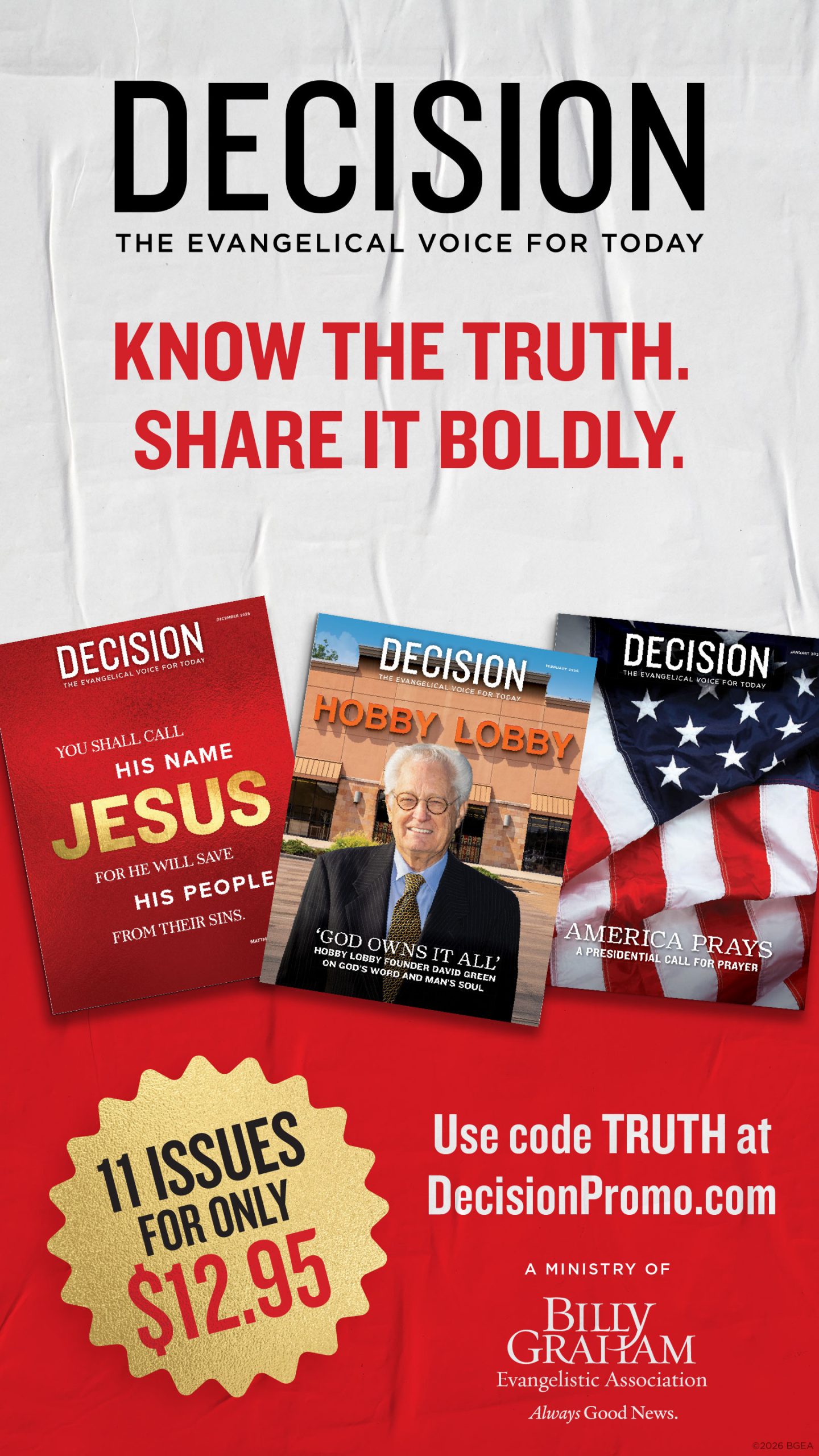
Decision

christ in prophecy

christ in prophecy

Decision

untitled artwork

Israel My Glory

There have been very few silver linings to the COVID-19 pandemic, unless you consider the rash of religious freedom lawsuits and court decisions protecting religious activity from government discrimination a net benefit to our country’s overall constitutional health.

But this benefit, if it is truly a lasting outgrowth of the pandemic, continues to suffer the growing pains associated with inconsistent court decisions and the varying philosophies of different state legislatures. For example, in California, which has seen multiple federal lawsuits – and some victories – regarding houses of worship, the 9th U.S. Circuit Court of Appeals recently – and disappointingly – upheld the state’s restrictions on in-home gatherings, including Bible studies and communal worship activities involving more than three households.

In the California case, several individuals argued that state and county restrictions treated religion differently than analogous secular businesses conducted in small spaces, such as hair salons, barber shops and tattoo parlors. In a 2-1 decision, the 9th Circuit rejected their arguments, essentially ruling that those businesses were not analogous, and only other in-home activities could be considered similar types of activities for the sake of comparison. And since all in-home activities were treated the same under the law, the majority opinion reasoned, the law was “neutral and generally applicable” and did not target religion for unequal treatment.

In dissent, however, Judge Patrick Bumatay, a 2019 appointment to the court, was highly critical of the majority’s failure to apply recent decisions of the U.S. Supreme Court on this very issue, including a couple dealing with California’s COVID restrictions as they applied to houses of worship.

“The purpose of the Constitution was to place certain freedoms beyond the whims of the government,” Bumatay wrote. “Even in times of crisis, we do not shrink from our duty to safeguard those rights. Freedom of worship is one of those enshrined rights, and the Supreme Court’s instructions have been clear, repeated, and insistent: no COVID-19 restriction can disfavor religious practice. Yet our court today trudges out another denial of relief to those seeking to practice their faith in the face of discriminatory restrictions. I respectfully dissent.”

The 9th Circuit case is Tandon v. Newsom. If appealed, it could be headed for another religious freedom showdown at the Supreme Court.

Meanwhile, the North Dakota legislature has taken a different approach to pandemic-related restrictions on religion by overwhelmingly passing legislation requiring its state government to treat religion with the constitutional importance it deserves during a public emergency such as COVID-19.

SB 2181, which passed the state House of Representatives by a vote of 88-4 and the Senate by a margin of 46-0, amends the state’s emergency powers statute to ensure that the exercise of religion is not treated as a second-class right during a pandemic or any other public emergency. It provides protections similar to those granted under the Religious Freedom Restoration Act (RFRA) by requiring the state to prove that it has a compelling governmental interest before it can substantially infringe upon a person’s exercise of religion, and even then doing so only by the least restrictive means available.

The law also ensures that religious conduct cannot be treated more restrictively during a public emergency than secular conduct with a comparable risk, nor may the government favor secular conduct over religious because of a perceived economic benefit.

If there is a constitutional principle that emerges from the mass of courtroom and legislative battles going on over COVID-related restrictions, it ought to be that there is no “pandemic exception” to the Bill of Rights.

Home Bible Studies
CLICK HERE FOR
SOURCE

Trusted Analysis From A Biblical Worldview

Help reach the lost and equip the church with the living and active truth of God's Word in our world today.

YOU CARE ABOUT

BIBLICAL TRUTH. SO DO WE.


Together, We Can Deliver A Biblical Understanding

Of News Events Around The World.

Why Christians Have A Biblical Responsibility To Participate In The Political Process

With the 2026 midterm elections just days away, millions of Americans are preparing to cast their ballots in an election that will have significant implications for the nation’s future. With control of Congress hanging in the balance, voters will help determine the legislative agenda and political trajectory of the next two years. For Christians, the election raises questions that go beyond political parties, candidates, and policy preferences. Is voting merely a civic privilege, or does Scripture provide a theological framework for understanding it as an act of stewardship and love of neighbor? And what role should pastors and churches play in equipping believers to exercise this responsibility faithfully? As Americans prepare to head to the polls next Tuesday, these questions invite us to consider a more fundamental issue: whether Christians have a Biblical responsibility to participate in the political process.

A Barbaric Death Penalty: Politicians, Doctors, The Abortion Industry, And The Media Have Lied To Mothers

Sadly, the abortion industry continues to either deny the level of pain inflicted upon the preborn or bury the evidence by introducing “expert” reports that contain deliberately vague language which seeks to assure mothers that abortion does not cross any moral barriers. Although a consensus on the impact of pain on the preborn would be a positive step in educating the public, the reality is that pain tolerance does not excuse the injustice perpetrated in abortion clinics.

untitled artwork 6391

The Church Cannot Remain Silent On Biblical Matters Because They Have Been Declared ‘Political’

Jesus called His followers the salt of the earth and the light of the world. Neither image suggests withdrawal. Both describe engagement that makes a difference. So the issue is not whether the church should become political. It is whether Christians will remain biblical when biblical truth has political consequences. Our calling is neither to become the mouthpiece of a party nor to retreat into silence. It is to stand on God’s word, defend what is right, confront what is wrong, and speak with courage — even when the culture would rather we remain silent.

ABC's of Salvation

TV AD

worldview matters

Decision Magazine V AD

Decision

Jan Markell

Israel My Glory

Erick Stakelbeck

untitled artwork

YOU CARE ABOUT

BIBLICAL TRUTH.

SO DO WE.

Together, We Can Deliver A Biblical Understanding Of News Events Around The World And Equip The Church To Stand With A Biblical Worldview.

untitled artwork

Israel My Glory

YOU CARE ABOUT

BIBLICAL TRUTH.

SO DO WE.


Together, We Can Deliver A Biblical Understanding Of News Events Around The World And Equip The Church To Stand With A Biblical Worldview.