
November 9, 2026

November, 9, 2026
November 9, 2026

give

untitled artwork

untitled artwork

World news biblically understood

TRENDING:

High Time For A History Lesson: Who Is The Greatest Obstacle To Peace Between Israelis And Arabs?

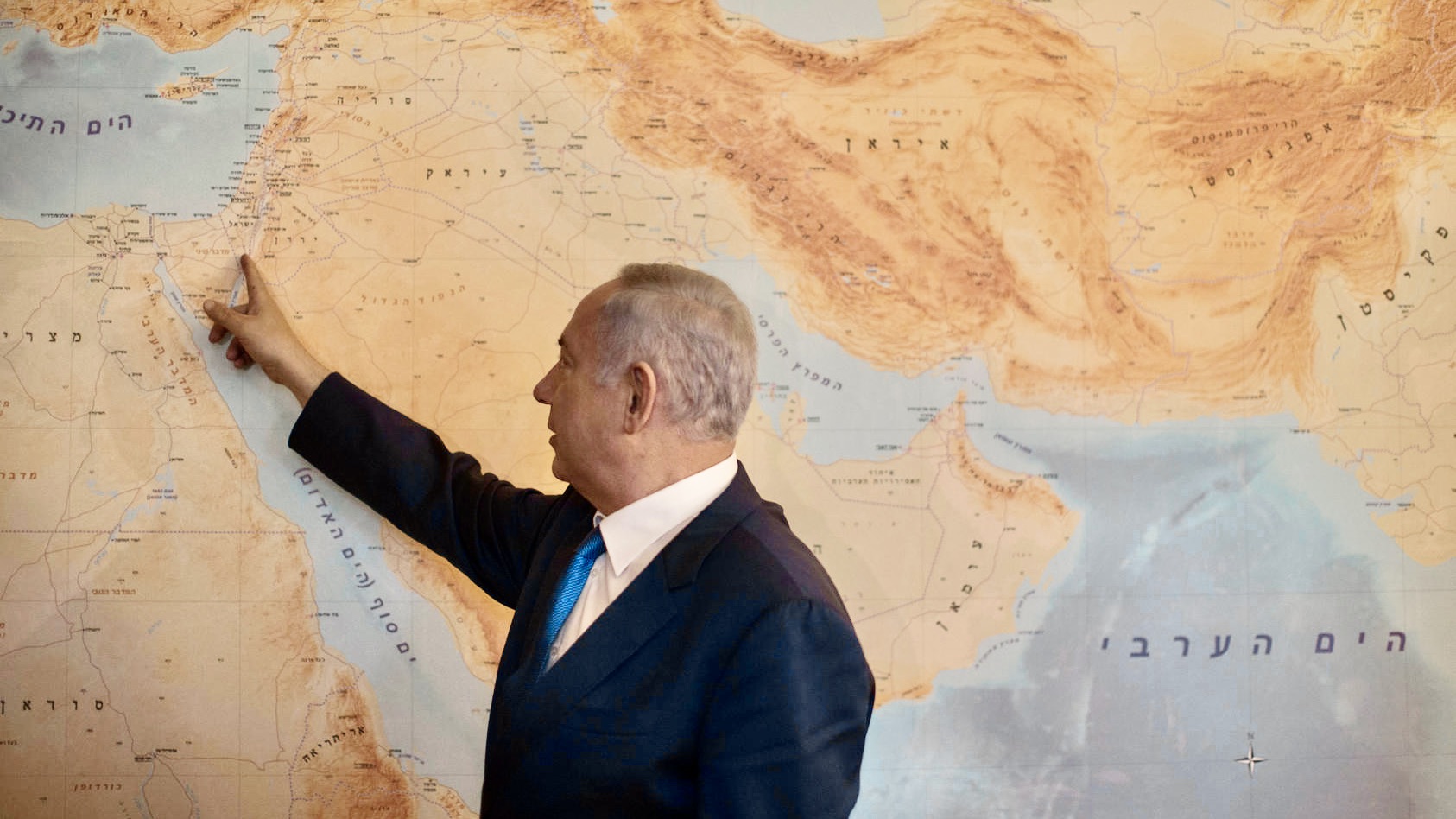
On Friday, Israeli Prime Minister Benjamin Netanyahu pushed back against former President Barack Obama, who accused Israel of taking Palestinian land during a visit to Northern Ireland. The Israeli PM declared that “the Jewish people are not foreign occupiers,” but have ancestral connections to this Biblical land stretching back “thousands of years.”

The greatest obstacle to peace, Netanyahu said, is not Israel, but the refusal of its enemies to recognize the Jewish people’s right to a sovereign state.

Here’s my take.

Last time I checked, Israel not only agreed to and crafted agreements to develop Palestinian self-determination, but it has shown up to every negotiation.

Over the last century, Israel said “yes” and Palestinians have said “no”—three of these instances occurred before Israel became a nation in 1948.

In 1919, more than a hundred years ago, Chaim Weizmann, who would become Israel’s first president, and Arab leader Emir Faisal signed an agreement envisioning cooperation between Jewish and Arab national aspirations. Faisal’s agreement depended on Arab independence, and both agreed. While the arrangement was never implemented, it showed the desire of the Jewish people to live side by side with their Arab neighbors even before Israel existed.

In 1937, more than 10 years before Israel became a nation, the British “Peel Commission” proposed partitioning the British-controlled Palestine into Jewish and Arab states. Jewish Zionist leaders accepted the partition as a basis for negotiations, while the Arab leaders rejected the partition outright.

In 1947, the United Nations proposed establishing an independent Jewish and Arab state side by side. Jewish leaders accepted the plan, Arab leaders refused it, and the dispute descended into what would become Israel’s War of Independence.

In 1978, Israeli Prime Minister Menachem Begin and Egyptian President Anwar Sadat, under the leadership of President Jimmy Carter, engaged in the Camp David Accords, reaching a historic peace agreement in which Israel agreed to return the entire Sinai Peninsula to Egypt in exchange for peace and diplomatic recognition after Israel captured it during the Six-Day War and Yom Kippur War of 1973.

Israel fulfilled its commitment, completing its withdrawal from Sinai in 1982, demonstrating its willingness to surrender strategically important territory for lasting peace with an Arab neighbor.

The Accords also established a framework for a Palestinian self-government in Judea, Samaria, and Gaza. Still, the Palestinian Liberation Organization (PLO) rejected the framework and declined to participate in negotiations with Israel.

Once again, in 1993, at the Oslo Accords, Israel recognized the Palestinian Liberation Organization and agreed to transfer governing responsibilities to the newly established Palestinian Authority.

The PLO also recognized Israel, but the peace process was damaged by a Hamas terrorist attack on the Jewish State.

In 2000, at the Camp David Summit, Israeli Prime Minister Ehud Barak entered negotiations with Yasser Arafat over a Palestinian state and major territorial compromises, with President Bill Clinton mediating. Israel would give 95% of Judea and Samaria, with land swaps and East Jerusalem as the capital.

In the end, Arafat said “no,” and the summit ended without an agreement. The second intifada followed, bringing years of suicide bombings and other violence against Israeli citizens. President Clinton said during the presidential elections in 2016 to a group of Democrats, “I killed myself to give the Palestinians a state.”

In 2005, Israeli Prime Minister Ariel Sharon removed approximately 8,000 Israelis and withdrew Israel’s permanent ground forces from Gaza. He unilaterally gave all of Gaza to the Palestinians. Rather than producing lasting peace, the withdrawal was followed by Hamas being elected by Palestinians, continued rocket attacks for more than 15 years, and October 7th, 2023.

In 2006, Israeli Prime Minister Ehud Olmert proposed a Palestinian state on most of Judea and Samaria with land swaps and arrangements for Jerusalem. Palestinian President Mahmoud Abbas didn’t accept the proposal and never showed up for negotiations.

Finally, in 2020, President Trump’s Peace to Prosperity plan. The American administration proposed a conditional pathway toward a demilitarized Palestinian state alongside Israel. Prime Minister Benjamin Netanyahu accepted the plan on the basis for negotiations, while Palestinian leaders once again rejected it. Gulf states attended the event with Israel, which later became the basis for the Abraham Accords.

Let me ask you a question: Do you see a pattern?

Israel has been saying “yes” to living side by side with their Arab neighbors for more than 100 years, while Palestinians have said “no” time and time again.

If you want to help Palestinians, stop finding endless ways to blame Israel. Because at least they showed up.



give

give

A Slap In The Face Of History: 88 Years After Kristallnacht, Jewish Businesses Are Again Ostracized And Boycotted

There is no better way to ostracize than the BDS movement's attempt at crippling Israel's economy and isolating Jewish businesses and organizations, not to mention those who support them. Israel's enemies are very creative, even though they are also very specific in what they chose to boycott out of convenience. This attempt at separation included a protest bike ride in Philadelphia to boycott Jewish eateries around town. Incidentally, in an unexpected show of support, the places intended for boycott got very long lines outside for food. Regardless, the choice of date, being a day before the remembrance of Kristallnacht, was a slap in the face of history. The modern BDS movement was only born in 2005, but it has done a lot of damage and continues to inflict further ostracism on Israel and Diaspora Jews economically, politically, culturally, and academically, albeit very hypocritically.

Report: Oppression Of Christians Worsens In 55% Of Countries, With No Nation Showing Improvement

The persecution and oppression of our brothers and sisters in Christ around the world is getting worse, according to a report from Aid to the Church in Need UK. This report on the persecuted church found the “oppression of Christians has worsened in 55% of countries . . . without any country showing an improvement.” According to the report, which looked at persecution between August 2024 and June 2026, Christians “are being forced from their homes through conflict, extremism, and religiously motivated violence in 18 countries across Africa, Asia, the Middle East, and Latin America.” This means 220 million Christians are “directly exposed to persecution worldwide.”

sign up

How Should Christians Stand When Standing Is No Longer Considered Polite Or Permitted?

In January, worshippers at Cities Church in Minnesota were shocked to see a mob of angry activists storming the sanctuary, shouting obscenities and terrifying young children as they protested. Across Europe, anti-Christian attacks have also been steadily rising—vandalism, desecration, physical violence, and arson. Britain has supplied its own version of opposition: men and women arrested for silently praying outside abortion clinics, Christian speech silenced online, and even a lawmaker, Finnish Parliament Member Päivi Räsänen, temporarily barred from flying through London Heathrow because of her Biblical convictions.

ABC's of Salvation

Decision

christ in prophecy

christ in prophecy

Decision

untitled artwork

Israel My Glory

On Friday, Israeli Prime Minister Benjamin Netanyahu pushed back against former President Barack Obama, who accused Israel of taking Palestinian land during a visit to Northern Ireland. The Israeli PM declared that “the Jewish people are not foreign occupiers,” but have ancestral connections to this Biblical land stretching back “thousands of years.”

The greatest obstacle to peace, Netanyahu said, is not Israel, but the refusal of its enemies to recognize the Jewish people’s right to a sovereign state.

Here’s my take.

Last time I checked, Israel not only agreed to and crafted agreements to develop Palestinian self-determination, but it has shown up to every negotiation.

Over the last century, Israel said “yes” and Palestinians have said “no”—three of these instances occurred before Israel became a nation in 1948.

In 1919, more than a hundred years ago, Chaim Weizmann, who would become Israel’s first president, and Arab leader Emir Faisal signed an agreement envisioning cooperation between Jewish and Arab national aspirations. Faisal’s agreement depended on Arab independence, and both agreed. While the arrangement was never implemented, it showed the desire of the Jewish people to live side by side with their Arab neighbors even before Israel existed.

In 1937, more than 10 years before Israel became a nation, the British “Peel Commission” proposed partitioning the British-controlled Palestine into Jewish and Arab states. Jewish Zionist leaders accepted the partition as a basis for negotiations, while the Arab leaders rejected the partition outright.

In 1947, the United Nations proposed establishing an independent Jewish and Arab state side by side. Jewish leaders accepted the plan, Arab leaders refused it, and the dispute descended into what would become Israel’s War of Independence.

In 1978, Israeli Prime Minister Menachem Begin and Egyptian President Anwar Sadat, under the leadership of President Jimmy Carter, engaged in the Camp David Accords, reaching a historic peace agreement in which Israel agreed to return the entire Sinai Peninsula to Egypt in exchange for peace and diplomatic recognition after Israel captured it during the Six-Day War and Yom Kippur War of 1973.

Israel fulfilled its commitment, completing its withdrawal from Sinai in 1982, demonstrating its willingness to surrender strategically important territory for lasting peace with an Arab neighbor.

The Accords also established a framework for a Palestinian self-government in Judea, Samaria, and Gaza. Still, the Palestinian Liberation Organization (PLO) rejected the framework and declined to participate in negotiations with Israel.

Once again, in 1993, at the Oslo Accords, Israel recognized the Palestinian Liberation Organization and agreed to transfer governing responsibilities to the newly established Palestinian Authority.

The PLO also recognized Israel, but the peace process was damaged by a Hamas terrorist attack on the Jewish State.

In 2000, at the Camp David Summit, Israeli Prime Minister Ehud Barak entered negotiations with Yasser Arafat over a Palestinian state and major territorial compromises, with President Bill Clinton mediating. Israel would give 95% of Judea and Samaria, with land swaps and East Jerusalem as the capital.

In the end, Arafat said “no,” and the summit ended without an agreement. The second intifada followed, bringing years of suicide bombings and other violence against Israeli citizens. President Clinton said during the presidential elections in 2016 to a group of Democrats, “I killed myself to give the Palestinians a state.”

In 2005, Israeli Prime Minister Ariel Sharon removed approximately 8,000 Israelis and withdrew Israel’s permanent ground forces from Gaza. He unilaterally gave all of Gaza to the Palestinians. Rather than producing lasting peace, the withdrawal was followed by Hamas being elected by Palestinians, continued rocket attacks for more than 15 years, and October 7th, 2023.

In 2006, Israeli Prime Minister Ehud Olmert proposed a Palestinian state on most of Judea and Samaria with land swaps and arrangements for Jerusalem. Palestinian President Mahmoud Abbas didn’t accept the proposal and never showed up for negotiations.

Finally, in 2020, President Trump’s Peace to Prosperity plan. The American administration proposed a conditional pathway toward a demilitarized Palestinian state alongside Israel. Prime Minister Benjamin Netanyahu accepted the plan on the basis for negotiations, while Palestinian leaders once again rejected it. Gulf states attended the event with Israel, which later became the basis for the Abraham Accords.

Let me ask you a question: Do you see a pattern?

Israel has been saying “yes” to living side by side with their Arab neighbors for more than 100 years, while Palestinians have said “no” time and time again.

If you want to help Palestinians, stop finding endless ways to blame Israel. Because at least they showed up.


Trusted Analysis From A Biblical Worldview

Help reach the lost and equip the church with the living and active truth of God's Word in our world today.

YOU CARE ABOUT

BIBLICAL TRUTH. SO DO WE.


Together, We Can Deliver A Biblical Understanding

Of News Events Around The World.

A Slap In The Face Of History: 88 Years After Kristallnacht, Jewish Businesses Are Again Ostracized And Boycotted

There is no better way to ostracize than the BDS movement's attempt at crippling Israel's economy and isolating Jewish businesses and organizations, not to mention those who support them. Israel's enemies are very creative, even though they are also very specific in what they chose to boycott out of convenience. This attempt at separation included a protest bike ride in Philadelphia to boycott Jewish eateries around town. Incidentally, in an unexpected show of support, the places intended for boycott got very long lines outside for food. Regardless, the choice of date, being a day before the remembrance of Kristallnacht, was a slap in the face of history. The modern BDS movement was only born in 2005, but it has done a lot of damage and continues to inflict further ostracism on Israel and Diaspora Jews economically, politically, culturally, and academically, albeit very hypocritically.

Report: Oppression Of Christians Worsens In 55% Of Countries, With No Nation Showing Improvement

The persecution and oppression of our brothers and sisters in Christ around the world is getting worse, according to a report from Aid to the Church in Need UK. This report on the persecuted church found the “oppression of Christians has worsened in 55% of countries . . . without any country showing an improvement.” According to the report, which looked at persecution between August 2024 and June 2026, Christians “are being forced from their homes through conflict, extremism, and religiously motivated violence in 18 countries across Africa, Asia, the Middle East, and Latin America.” This means 220 million Christians are “directly exposed to persecution worldwide.”

untitled artwork 6391

How Should Christians Stand When Standing Is No Longer Considered Polite Or Permitted?

In January, worshippers at Cities Church in Minnesota were shocked to see a mob of angry activists storming the sanctuary, shouting obscenities and terrifying young children as they protested. Across Europe, anti-Christian attacks have also been steadily rising—vandalism, desecration, physical violence, and arson. Britain has supplied its own version of opposition: men and women arrested for silently praying outside abortion clinics, Christian speech silenced online, and even a lawmaker, Finnish Parliament Member Päivi Räsänen, temporarily barred from flying through London Heathrow because of her Biblical convictions.

ABC's of Salvation

TV AD

worldview matters

Decision Magazine V AD

Decision

Jan Markell

Israel My Glory

Erick Stakelbeck

untitled artwork

YOU CARE ABOUT

BIBLICAL TRUTH.

SO DO WE.

Together, We Can Deliver A Biblical Understanding Of News Events Around The World And Equip The Church To Stand With A Biblical Worldview.

untitled artwork

Israel My Glory

YOU CARE ABOUT

BIBLICAL TRUTH.

SO DO WE.


Together, We Can Deliver A Biblical Understanding Of News Events Around The World And Equip The Church To Stand With A Biblical Worldview.