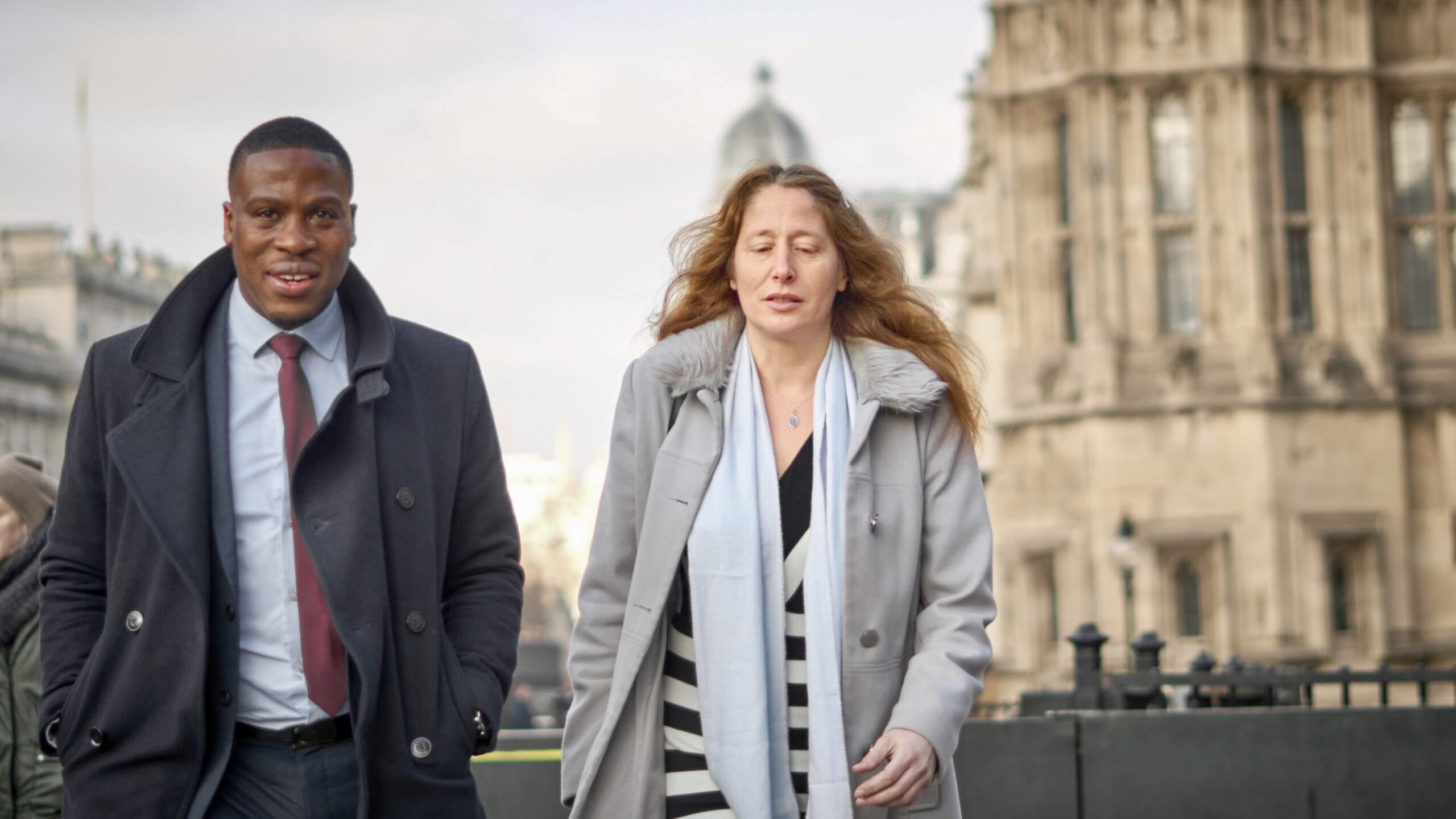
After a six-month investigation, police in Birmingham, England have dropped charges against a woman arrested last March for praying silently near an abortion clinic, and apologized for the length of time they took to clear her.
After Isabel Vaughan-Spruce’s arrest on March 6, video of her conversation with the arresting police officer went viral. Police accused Vaughan-Spruce of violating a local order that bans activities, including prayer, that could constitute protesting within an “exclusion zone” near abortion clinics.
“You’ve said you’re engaging in prayer, which is the offense,” an officer is heard saying on the video.
“Silent prayer,” replied Vaughn-Spruce, director of the U.K. March for Life.
“You were still engaging in prayer, which is the offense,” the policeman answers.
The conclusion of Vaughan-Spruce’s case and the city’s apology came a week after U.K. Home Secretary Suella Braverman wrote in an open letter that “silent prayer, within itself, is not unlawful.”
Vaughan-Spruce said in a statement, “This isn’t 1984, but 2023. I should never have been arrested or investigated simply for the thoughts I held in my own mind.”
Her arrest in March marked the second time Birmingham police had arrested Vaughan-Spruce for praying near an abortion clinic. Police arrested her in 2022, then dropped those charges last February, although they signaled they might resume prosecution of her at a later date. Police then arrested her again in March on the same charge.
With charges now dropped and the law seemingly clarified, Vaughan-Spruce said she plans to continue silent prayer on public sidewalks near abortion clinics.
“The arduous process of this criminal ordeal has been the punishment for Isabel,” said Jeremiah Igunnubole, legal counsel for ADF UK, who aided Vaughan-Spruce’s legal defense. “Moreover, her story has put the world on notice that fundamental freedoms are vulnerable in the UK.
“There is now an urgent need for legal changes to stem the tide of policing by politics. We hope the decision from West Midlands Police that they will not prosecute free thought, alongside the Home Secretary’s public commitment to protecting silent prayer, will be reflected in legislation, guidance, and practice,” Igunnubole stated.