December 25, 2025

December, 25, 2025
December 25, 2025

give

untitled artwork

untitled artwork

World news biblically understood

TRENDING:

Sin Is Evil — Whatever It Is, It Matters To God

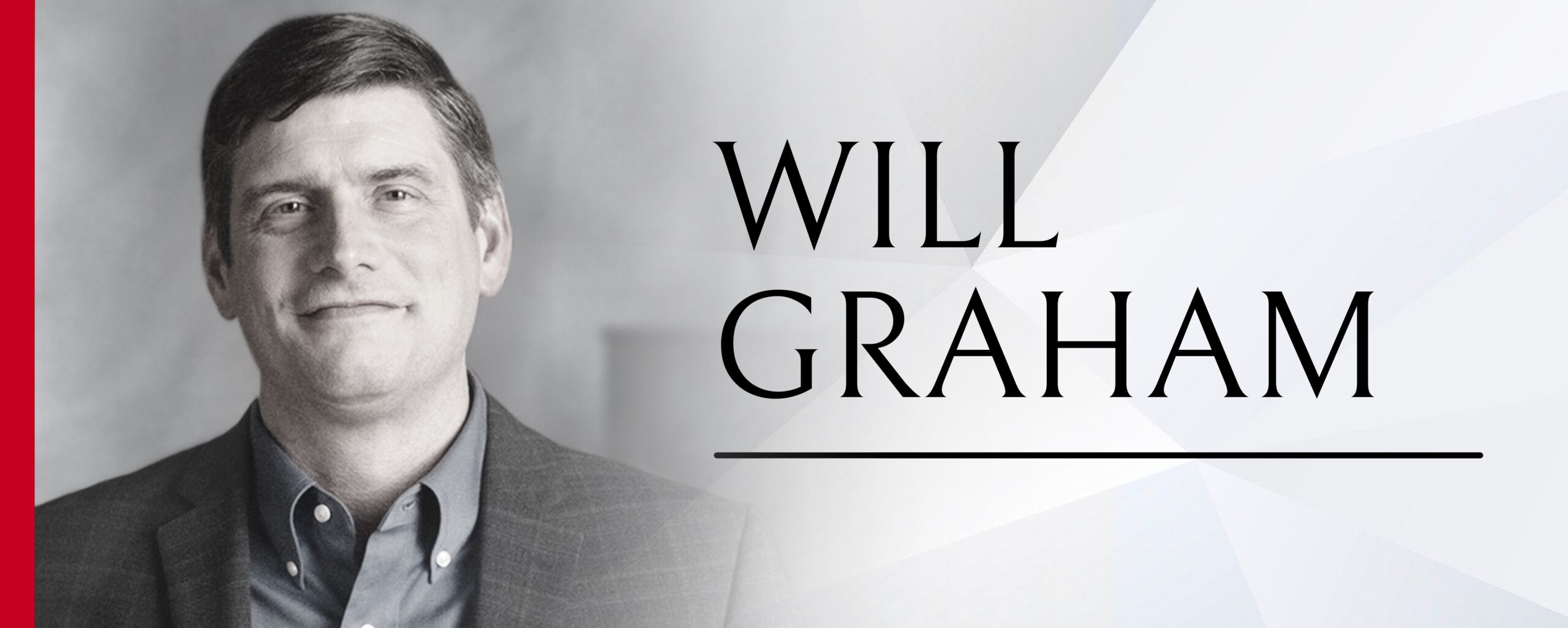
Will Graham

Think back over the past week. Have you told any “white lies”? Have you taken a quick glance at something that is off limits? Have you gossiped about a friend or slandered an enemy?

These are what we may call petty sins: impure thoughts, small twists of the truth to get your way, careless comments tossed out without a second thought. They may not seem like major issues. After all, you didn’t kill anybody or rob a bank.

However, the Bible tells us that God cares about petty sins, which is why those sins do matter.

In 1 Chronicles 21:1-17, we see a very interesting story that doesn’t seem like a life-or-death situation at first. David simply asked Joab, the head of his army, to take a census of all fighting men in Israel. Joab immediately recognized that this seemingly innocuous request was a questionable command (there were circumstances in which a census was allowed, but this didn’t fit the bill) and urged David against it. David ignored Joab’s concerns, however, and pushed forward with the tally. In doing so, he incurred God’s wrath and brought great destruction upon his nation.

What can we learn about sin from David’s tragic mistake?

Sin is evil: All sin, no matter how “insignificant,” is evil and adverse to God. In fact, verse one directly says that Satan was the driving force of David’s sin. A census seems so trivial to us. In fact, one could easily justify it as a necessary strategy in measuring the strength of David’s army. But it displeased God.

Similarly, we may justify our words, our actions, or even our inactions, but need to understand that sin is sin, and sin is evil. Whatever it is, it matters to God.

Sin can be traced back to pride: David counts the people presumably because he wants to see how successful he has been. He was prideful, which causes him to focus on his own human strength instead of his reliance on God. Pride is incredibly destructive. In fact, the Bible tells us that pride was the fall of Satan (Isaiah 14:12-17).

Our sins stem from pride, which causes us to believe we deserve something, or that we’re better than others. It removes us from the humility we should exemplify, and positions us into a dangerous place where sin can take hold.

All sin has consequences: No matter how small or how great, all sin has consequences. God, through the prophet Gad, gave David three choices for punishment:

1. Three years of famine

2. Three months of David’s enemies triumphing over him and Israel

3. Three days of plague.

David chose three days of plague because he realized that it is better to be in God’s hands than in the hands of man. Seventy-thousand people died in Israel because of one seemingly insignificant sin.

There are always consequences, not only for the person committing the sin, but those around that person: Consider the young couple killed by the drunk driver, the family torn apart by adultery, the small business owner impacted by the theft in their store, or the little children exposed to the sins of those they are modeling. As Luke 8:17 says, “For nothing is secret that will not be revealed, nor anything hidden that will not be known and come to light” (NKJV). Sin will always be revealed, and the consequences are far reaching.

My friends, we live in a world that celebrates sin. In fact, according to our culture, if you do not rejoice in your sin, there’s something wrong with you. However, we are not called to live by the world, but by the Word. Do not take sin lightly. It is serious, no matter how small you might think it is.

When you do fall, be like David, who recognized what he did, repented and sought forgiveness. We serve a merciful Father who is “faithful and just to forgive us our sins and to cleanse us from all unrighteousness” (1 John 1:9).

BGEA

give

untitled artwork

A Season Of Anticipation: God Will Keep Every Aspect Of His Word

The inseparable association between the annual arrival of Christmas and the innate anticipation it provokes during the holiday season predates our modern recognition of this festive and hallowed day on our calendar. It’s something that began prior the birth of Jesus and has been formalized and commemorated each year for centuries among faithful followers of Christ. The concept of looking forward to the arrival of a Savior, that is the long-awaited Messiah or Christ, is seen all throughout the Old Testament, but is especially highlighted in the accounts of specific individuals typically associated with the story of Christ’s birth and infancy as seen in the Gospels. Included among these individuals we find Zacharias and Elizabeth, Mary and Joseph, the “wise men from the east,” a man named Simeon, and a prophetess named Anna.

Christmas In Genesis: From The Beginning Sinful Mankind Was Promised The Savior

But the promise of the Messiah isn’t just found at the beginning of Genesis—it continues throughout the book. Actually, it continues throughout the entire Old Testament, as the overarching theme is “Humanity is sinful, but a Savior is coming.”

sign up

The Prophetic Significance Of Socialism’s Rise In America

The rise of Socialism has profound implications for the future of our nation and, given the fact that America is the global leader, it also has ramifications for the entire globe. It's nothing short of meteoric. However, beyond those concerns, the popularity of Socialism also has strong prophetic overtones that I believe will pave the way for the rise of the world's final great tyrant: the antichrist.

ABC's of Salvation

Decision

UTT

untitled artwork

Israel My Glory

Will Graham

Think back over the past week. Have you told any “white lies”? Have you taken a quick glance at something that is off limits? Have you gossiped about a friend or slandered an enemy?

These are what we may call petty sins: impure thoughts, small twists of the truth to get your way, careless comments tossed out without a second thought. They may not seem like major issues. After all, you didn’t kill anybody or rob a bank.

However, the Bible tells us that God cares about petty sins, which is why those sins do matter.

In 1 Chronicles 21:1-17, we see a very interesting story that doesn’t seem like a life-or-death situation at first. David simply asked Joab, the head of his army, to take a census of all fighting men in Israel. Joab immediately recognized that this seemingly innocuous request was a questionable command (there were circumstances in which a census was allowed, but this didn’t fit the bill) and urged David against it. David ignored Joab’s concerns, however, and pushed forward with the tally. In doing so, he incurred God’s wrath and brought great destruction upon his nation.

What can we learn about sin from David’s tragic mistake?

Sin is evil: All sin, no matter how “insignificant,” is evil and adverse to God. In fact, verse one directly says that Satan was the driving force of David’s sin. A census seems so trivial to us. In fact, one could easily justify it as a necessary strategy in measuring the strength of David’s army. But it displeased God.

Similarly, we may justify our words, our actions, or even our inactions, but need to understand that sin is sin, and sin is evil. Whatever it is, it matters to God.

Sin can be traced back to pride: David counts the people presumably because he wants to see how successful he has been. He was prideful, which causes him to focus on his own human strength instead of his reliance on God. Pride is incredibly destructive. In fact, the Bible tells us that pride was the fall of Satan (Isaiah 14:12-17).

Our sins stem from pride, which causes us to believe we deserve something, or that we’re better than others. It removes us from the humility we should exemplify, and positions us into a dangerous place where sin can take hold.

All sin has consequences: No matter how small or how great, all sin has consequences. God, through the prophet Gad, gave David three choices for punishment:

1. Three years of famine

2. Three months of David’s enemies triumphing over him and Israel

3. Three days of plague.

David chose three days of plague because he realized that it is better to be in God’s hands than in the hands of man. Seventy-thousand people died in Israel because of one seemingly insignificant sin.

There are always consequences, not only for the person committing the sin, but those around that person: Consider the young couple killed by the drunk driver, the family torn apart by adultery, the small business owner impacted by the theft in their store, or the little children exposed to the sins of those they are modeling. As Luke 8:17 says, “For nothing is secret that will not be revealed, nor anything hidden that will not be known and come to light” (NKJV). Sin will always be revealed, and the consequences are far reaching.

My friends, we live in a world that celebrates sin. In fact, according to our culture, if you do not rejoice in your sin, there’s something wrong with you. However, we are not called to live by the world, but by the Word. Do not take sin lightly. It is serious, no matter how small you might think it is.

When you do fall, be like David, who recognized what he did, repented and sought forgiveness. We serve a merciful Father who is “faithful and just to forgive us our sins and to cleanse us from all unrighteousness” (1 John 1:9).

BGEA

Trusted Analysis From A Biblical Worldview

Help reach the lost and equip the church with the living and active truth of God's Word in our world today.

YOU CARE ABOUT

BIBLICAL TRUTH. SO DO WE.


Together, We Can Deliver A Biblical Understanding

Of News Events Around The World.

A Season Of Anticipation: God Will Keep Every Aspect Of His Word

The inseparable association between the annual arrival of Christmas and the innate anticipation it provokes during the holiday season predates our modern recognition of this festive and hallowed day on our calendar. It’s something that began prior the birth of Jesus and has been formalized and commemorated each year for centuries among faithful followers of Christ. The concept of looking forward to the arrival of a Savior, that is the long-awaited Messiah or Christ, is seen all throughout the Old Testament, but is especially highlighted in the accounts of specific individuals typically associated with the story of Christ’s birth and infancy as seen in the Gospels. Included among these individuals we find Zacharias and Elizabeth, Mary and Joseph, the “wise men from the east,” a man named Simeon, and a prophetess named Anna.

Christmas In Genesis: From The Beginning Sinful Mankind Was Promised The Savior

But the promise of the Messiah isn’t just found at the beginning of Genesis—it continues throughout the book. Actually, it continues throughout the entire Old Testament, as the overarching theme is “Humanity is sinful, but a Savior is coming.”

untitled artwork 6391

The Prophetic Significance Of Socialism’s Rise In America

The rise of Socialism has profound implications for the future of our nation and, given the fact that America is the global leader, it also has ramifications for the entire globe. It's nothing short of meteoric. However, beyond those concerns, the popularity of Socialism also has strong prophetic overtones that I believe will pave the way for the rise of the world's final great tyrant: the antichrist.

ABC's of Salvation

TV AD

worldview matters

Decision Magazine V AD

Decision

Jan Markell

Israel My Glory

Erick Stakelbeck

untitled artwork

YOU CARE ABOUT

BIBLICAL TRUTH.

SO DO WE.

Together, We Can Deliver A Biblical Understanding Of News Events Around The World And Equip The Church To Stand With A Biblical Worldview.

Israel My Glory

untitled artwork

YOU CARE ABOUT

BIBLICAL TRUTH.

SO DO WE.


Together, We Can Deliver A Biblical Understanding Of News Events Around The World And Equip The Church To Stand With A Biblical Worldview.